
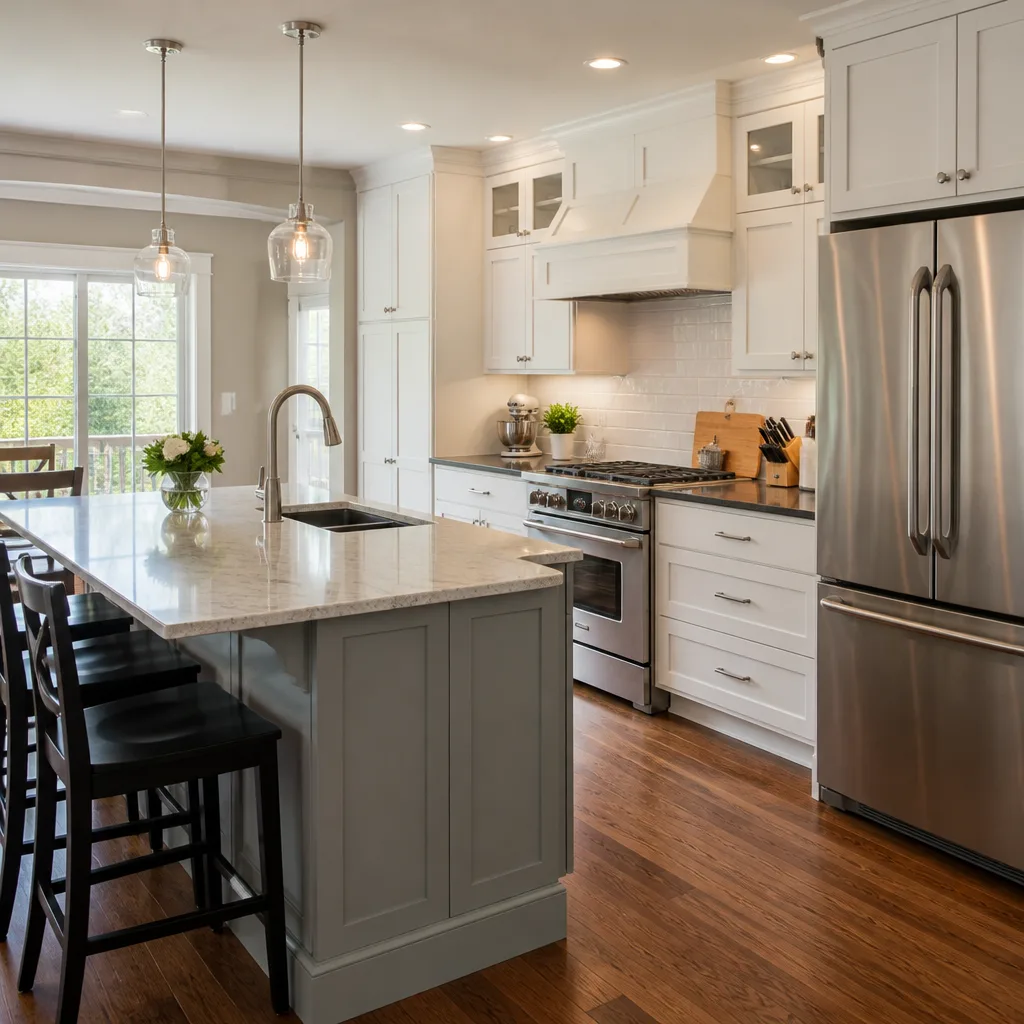
 Kitchen remodeling
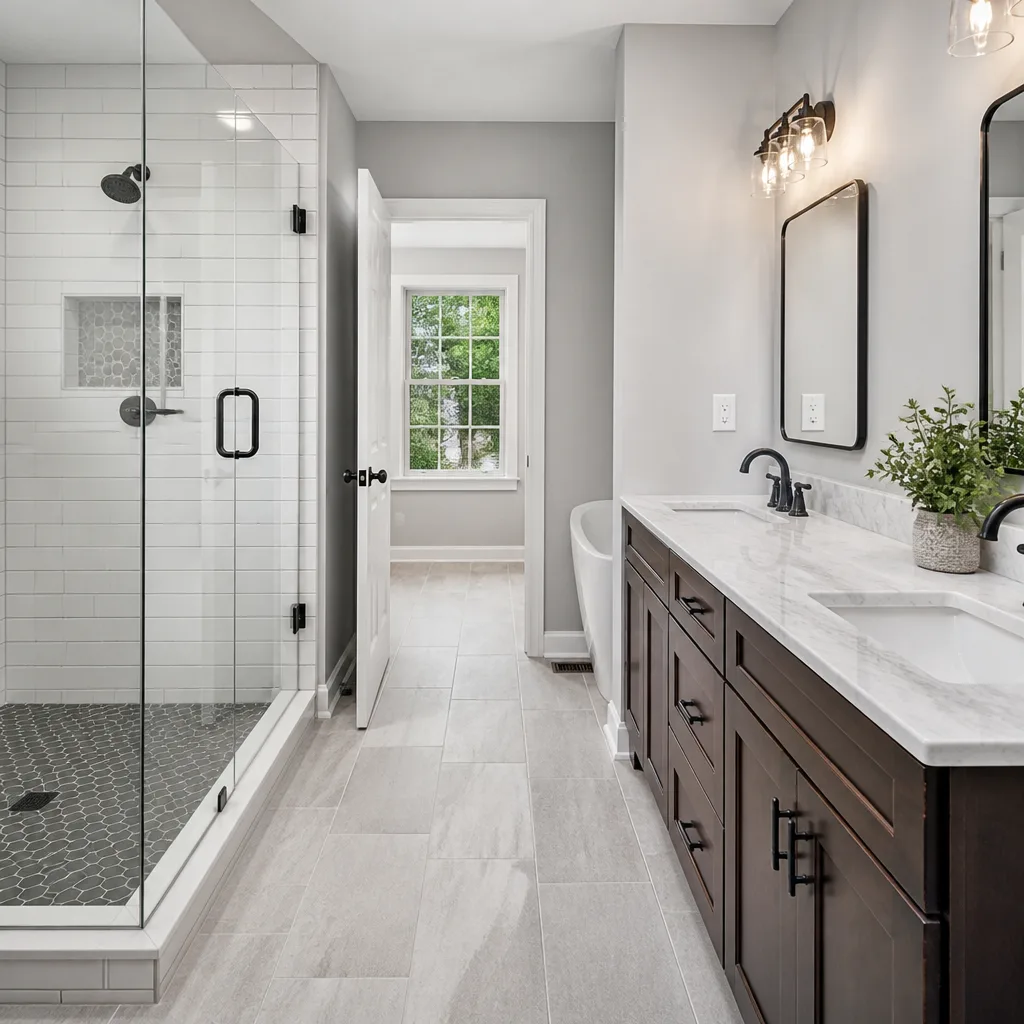 Bathroom remodeling
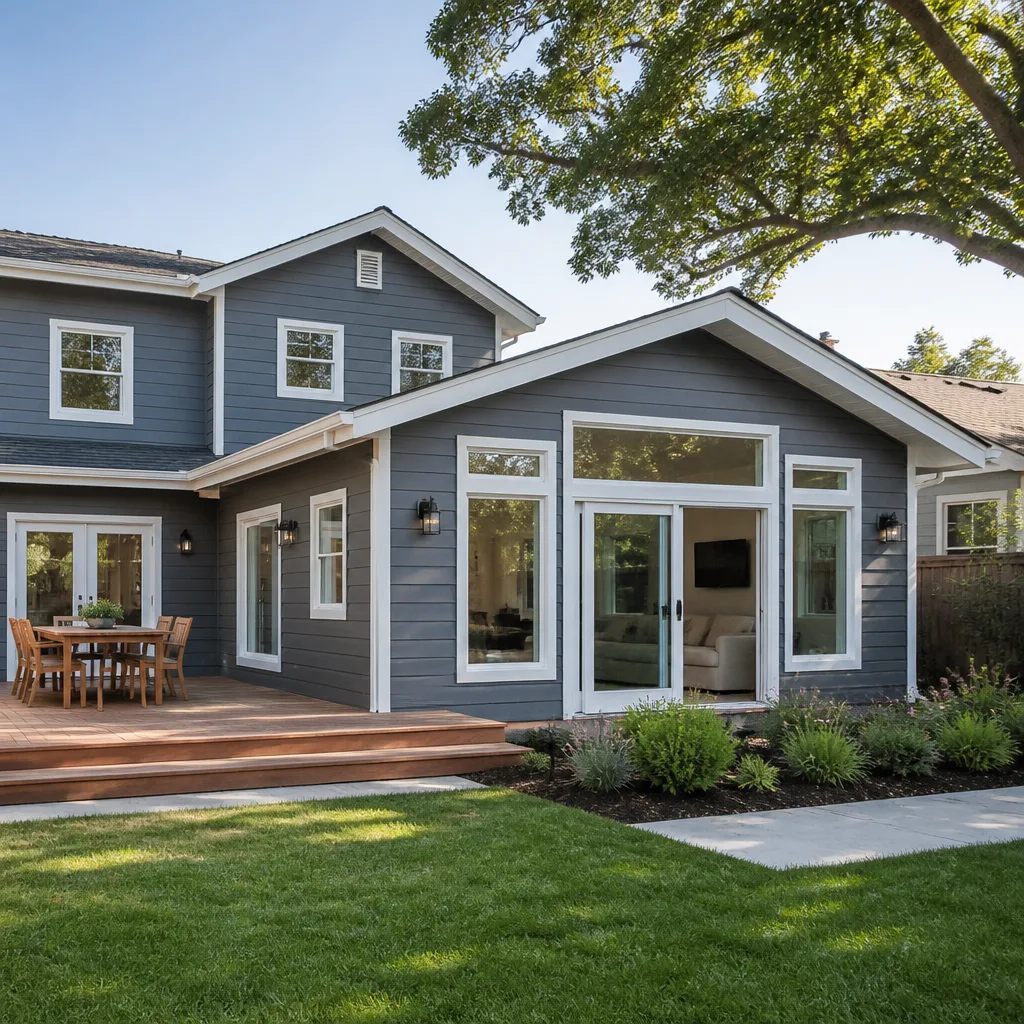 Home additions & ADU
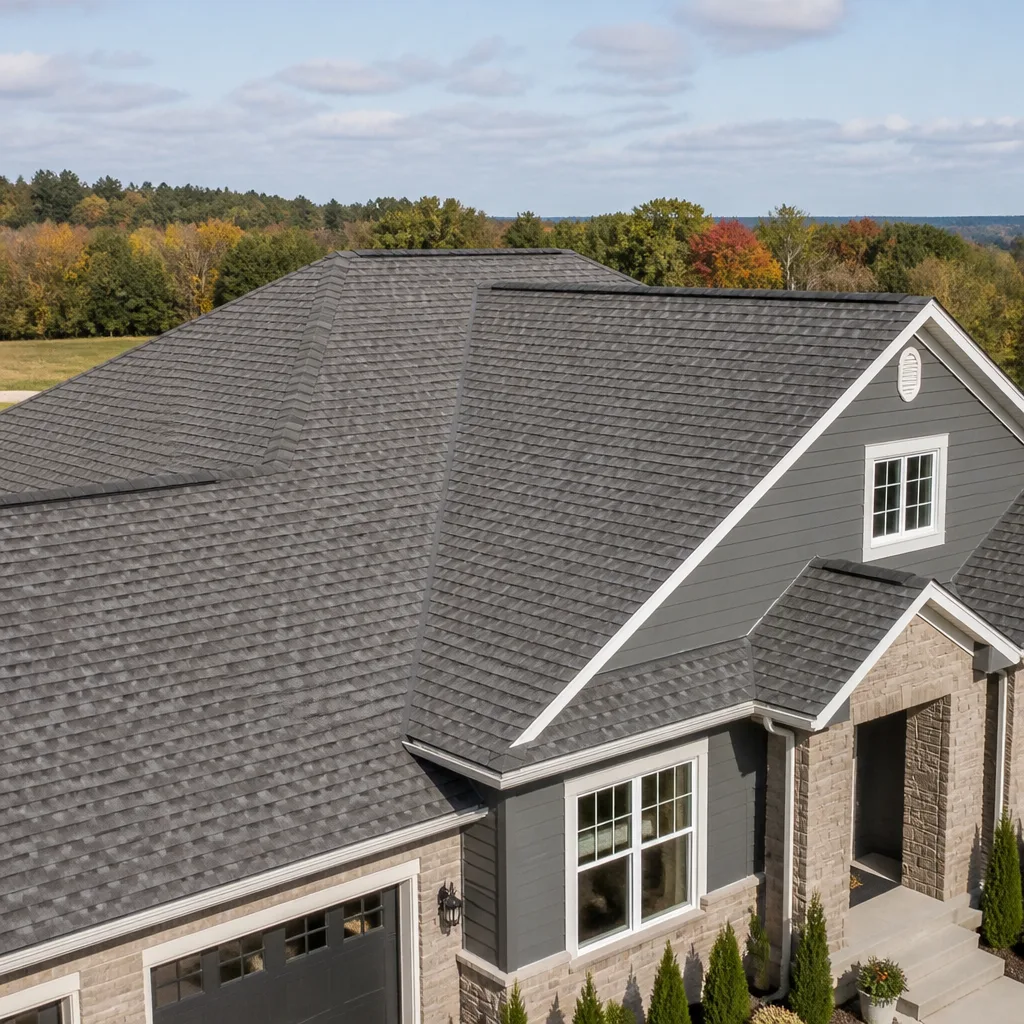 Roofing
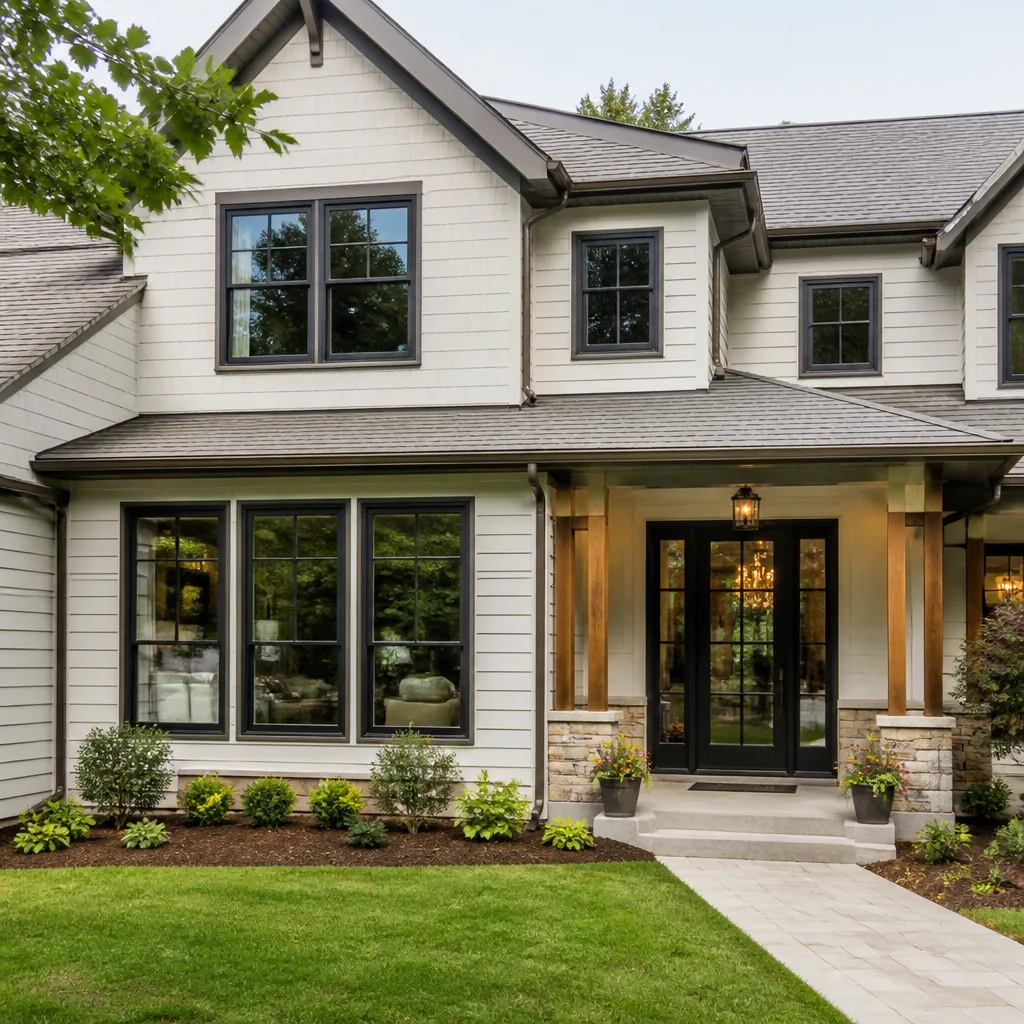 Windows & doors
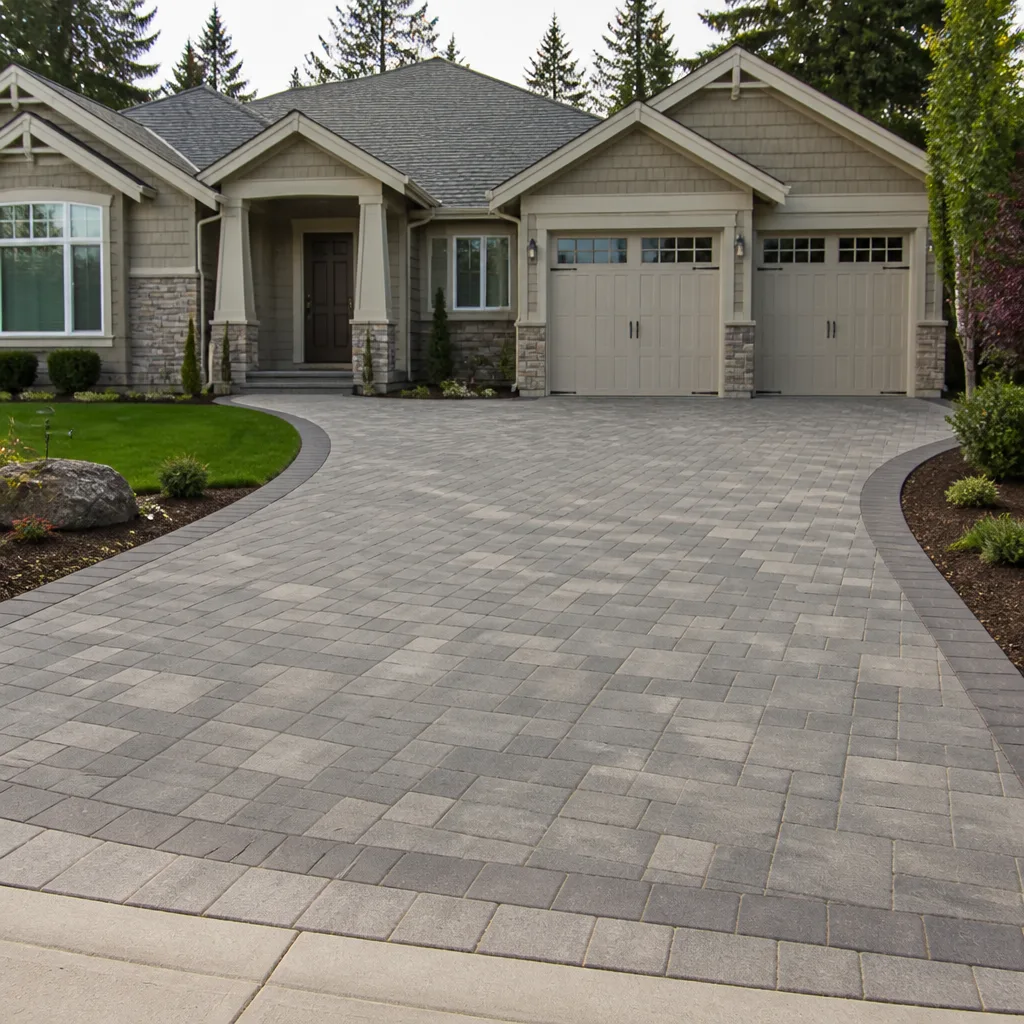 Driveway & pavers
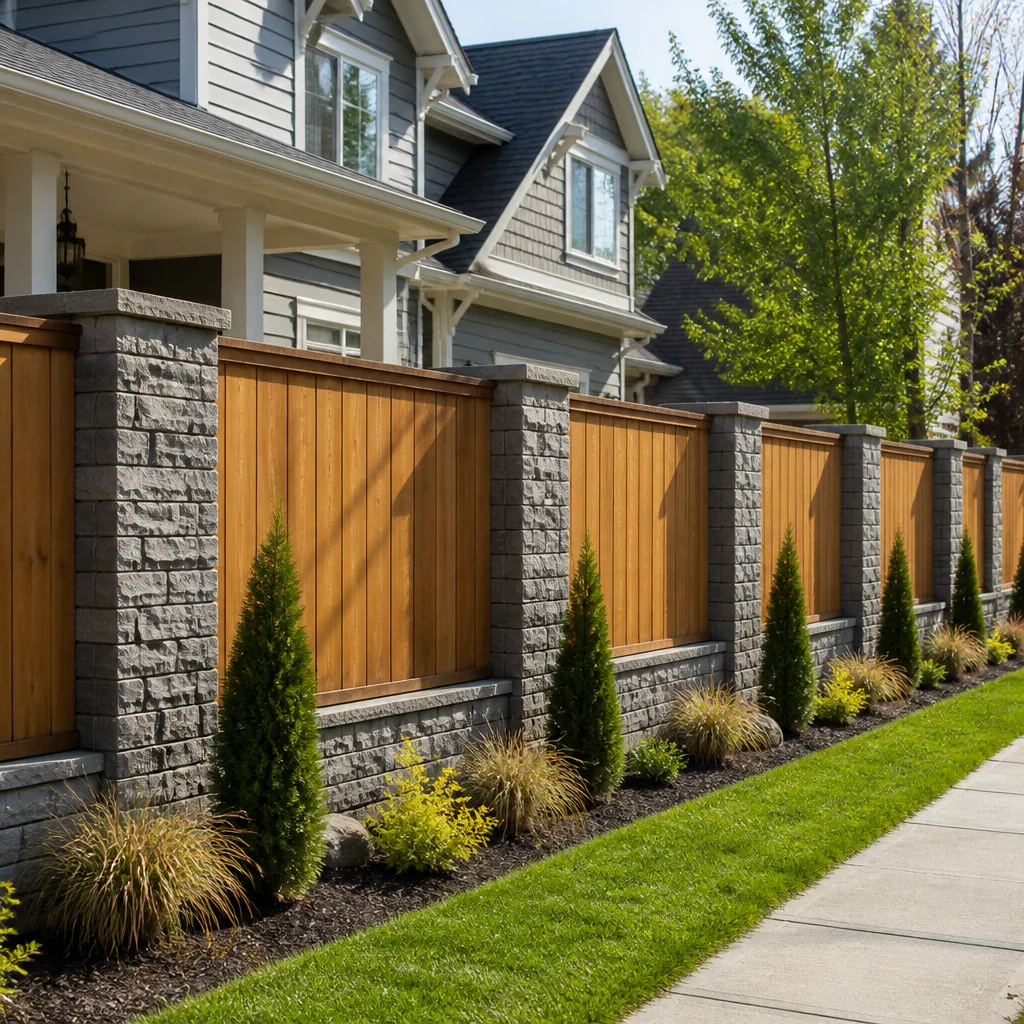 Fence
Free written scope consultation - allowances, timeline, and change-order rules on paper before a single trade is scheduled
Abodu Construction in Stanford, CA | Moreno Valley Builders
We’re an independent Abodu service provider working across Stanford’s campus-adjacent community, and we handle everything from initial site prep and foundation anchoring to panel assembly, utility tie-ins, flashing, and roof work. What makes our Abodu work different here is simple: Stanford projects rarely follow standard residential permitting. Nearly every lot in ZIP 94305 touches institutional land-use review, seismic safety requirements tied to the Calaveras Fault, or the university’s own architectural review board, and that changes how an Abodu unit gets sited, anchored, and finished. If you’re weighing an Abodu One, Abodu Two, Abodu Studio, or Abodu Flex in Stanford, call Noel Trevino and our team at (877) 752-3154 for a straight read on what your specific lot will actually require.
Why Stanford Residents Choose Us for Abodu Service
Abodu units are panelized, prefabricated, and built to a factory spec. That’s the appeal. But the spec doesn’t account for a Calaveras Fault rupture zone, a fog belt that eats galvanized hardware, or a university review board that wants to see every exterior detail before a panel ever leaves the factory floor. We’ve been through enough Abodu placements in Stanford to know where the factory detailing holds up and where it needs local correction before the first rainy season.
Noel Trevino grew up in the Sunnymead Ranch area of Moreno Valley and brought three decades of framing, concrete, and mechanical work with him into the prefab side of construction. His rule on every Abodu job we take: if the details aren’t right on paper, they won’t be right in the wall. That’s why we spec stainless fasteners and upgraded flashing on Abodu units headed for Stanford’s fog-exposed lots before they ever arrive, and why we push for geotechnical sign-off on foundation placement when the rupture zone is in play. We’d rather catch it on the plan than tear out a racked wall later.
Styles & brands we work with
Common Abodu Construction Problems We Solve in Stanford
Here’s what actually shows up on Abodu units installed around Stanford, and what we do about it:
- Galvanized flashing and hardware corrosion. Stanford’s winter fog belt salts and oxidizes standard galvanized flashing fast enough that rust streaks appear at panel seams within the first year. We swap in peel-and-stick membrane underlayment and stainless fasteners before panels go up, not after the staining has already started.
- Low-slope roof ponding and membrane failure. Several Abodu models ship with a factory roof pitch as low as 2:12. That’s marginal anywhere, but on Stanford lots with heritage oaks dropping debris, water can’t shed fast enough. We add crickets and tapered drainage to the low-slope sections so ponding doesn’t become a membrane failure.
- Foundation racking and drywall cracks from seismic movement. Abodu’s standard foundation brackets aren’t engineered for the Calaveras Fault. Units on slab-on-grade pads without enhanced anchoring will rack after minor tremors. We work with a geotechnical engineer to spec anchorage that actually matches the site, then certify the placement before the county issues the permit.
- Interior material swelling and delamination. The rain-shadowed climate here swings between dry summer heat and winter humidity. Off-the-shelf vinyl flooring and MDF cabinetry in Abodu units swell, cup, and delaminate unless the unit has continuous ventilation. We spec moisture-resistant underlayment and cabinet boxes on new placements, and retro-fit ventilation on units that are already showing the problem.
- Panel seam water intrusion. Factory sealing around Abodu panel joints doesn’t always survive the first winter on an exposed Stanford lot. We inspect seam tapes and flashings as part of every service call, and reseal any joint that shows signs of opening before water gets behind the sheathing.
Abodu Service in Stanford: What Local Conditions Mean for Your Equipment
Here’s the fact that separates Stanford from every neighboring city: campus-adjacent lots in ZIP 94305 often require Abodu units to be set back from the Calaveras Fault rupture zone, and that setback has to be certified by a geotechnical engineer before Santa Clara County will issue a permit. This isn’t a Palo Alto problem. It isn’t a Menlo Park problem. It’s specific to the fault geometry running beneath the Stanford campus, and it changes where an Abodu unit can sit, how the foundation gets anchored, and where utility trenches run. If you plan the siting first and the unit second, the timeline compresses. If you reverse that order, you’ll be redrawing the site plan twice. We always start with the geotech.
Abodu Models & Products We Service in Stanford
We provide independent construction, siting, and repair work for the full Abodu line: Abodu Studio, Abodu One, Abodu Two, and Abodu Flex. For structural and weather-tightness repairs, we use OEM-compatible components so warranty coverage stays intact. For anything the factory builds to a national average, we upgrade for Stanford conditions: stainless fasteners, peel-and-stick flashing, moisture-resistant interior finishes, and seismic anchors. We keep standard panel seals, roof membranes, and flashing stock on hand for faster turnaround on Stanford jobs, and we order model-specific hardware from Abodu’s supply chain when the factory part is the only part that belongs. If you’re weighing a fresh placement, start with our Abodu sales & service overview so you know what the panelized build actually involves before you commit.
See the difference
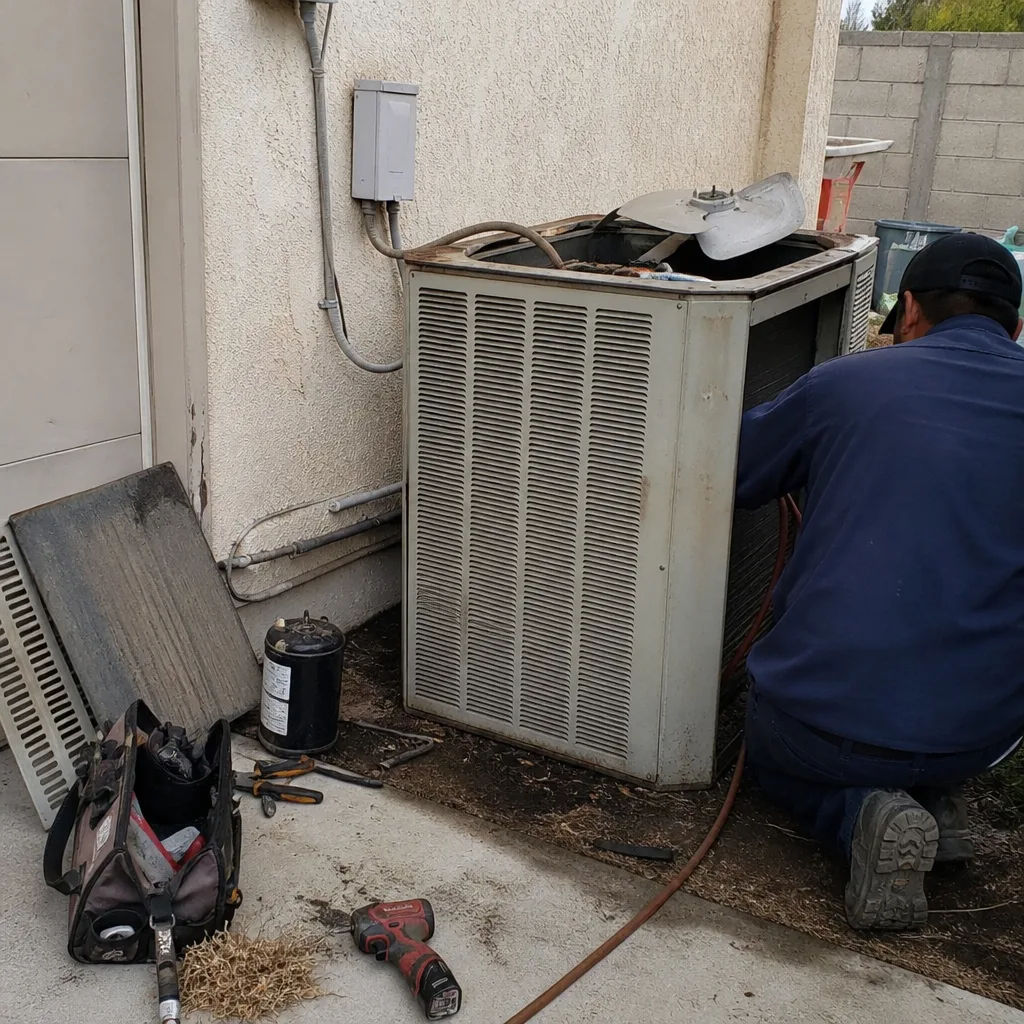 Before
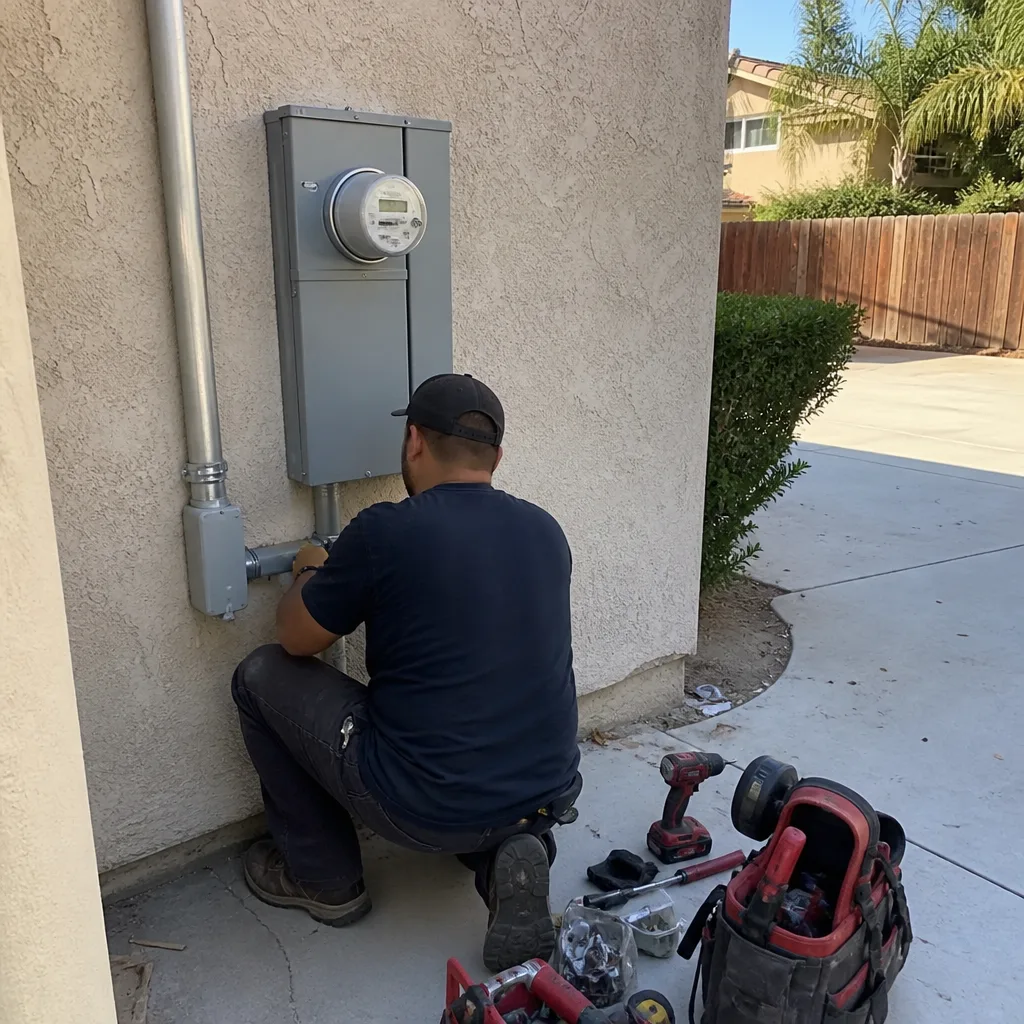 After
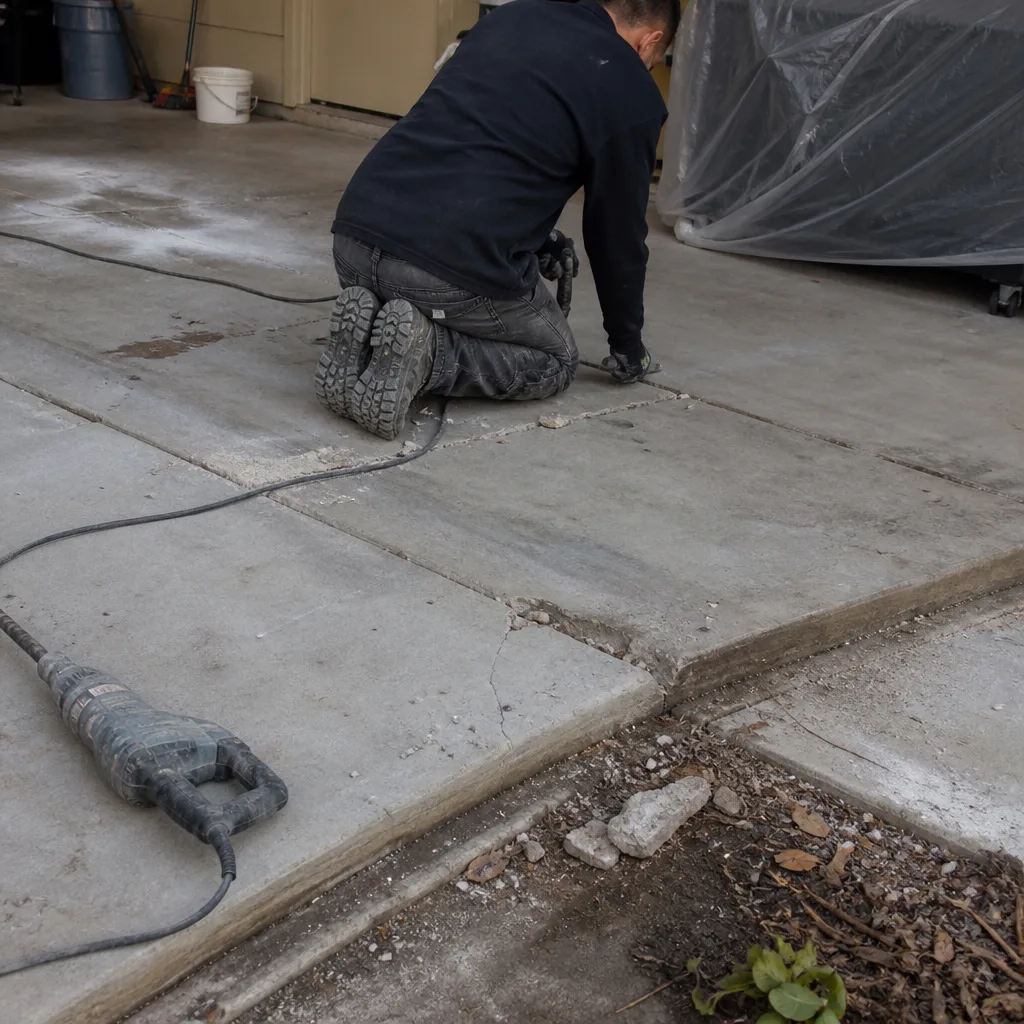 Before
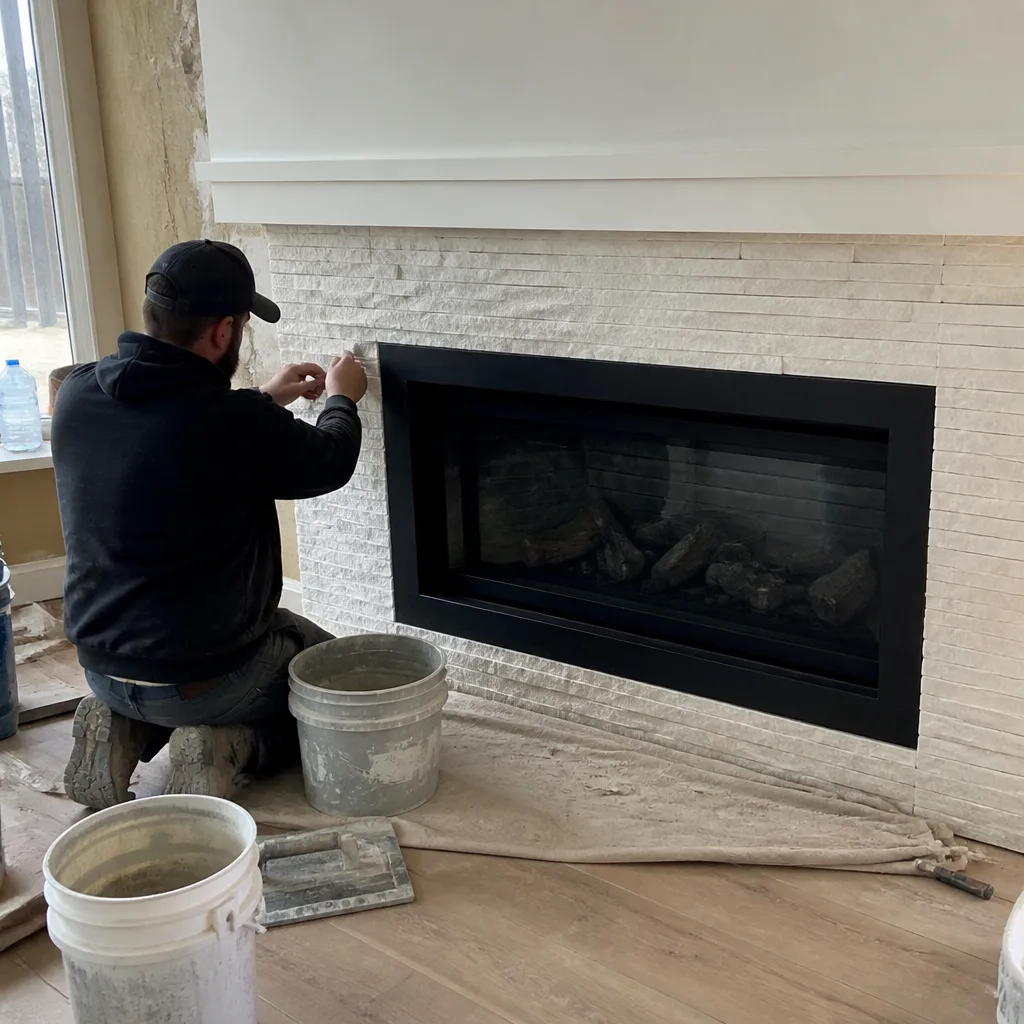 After
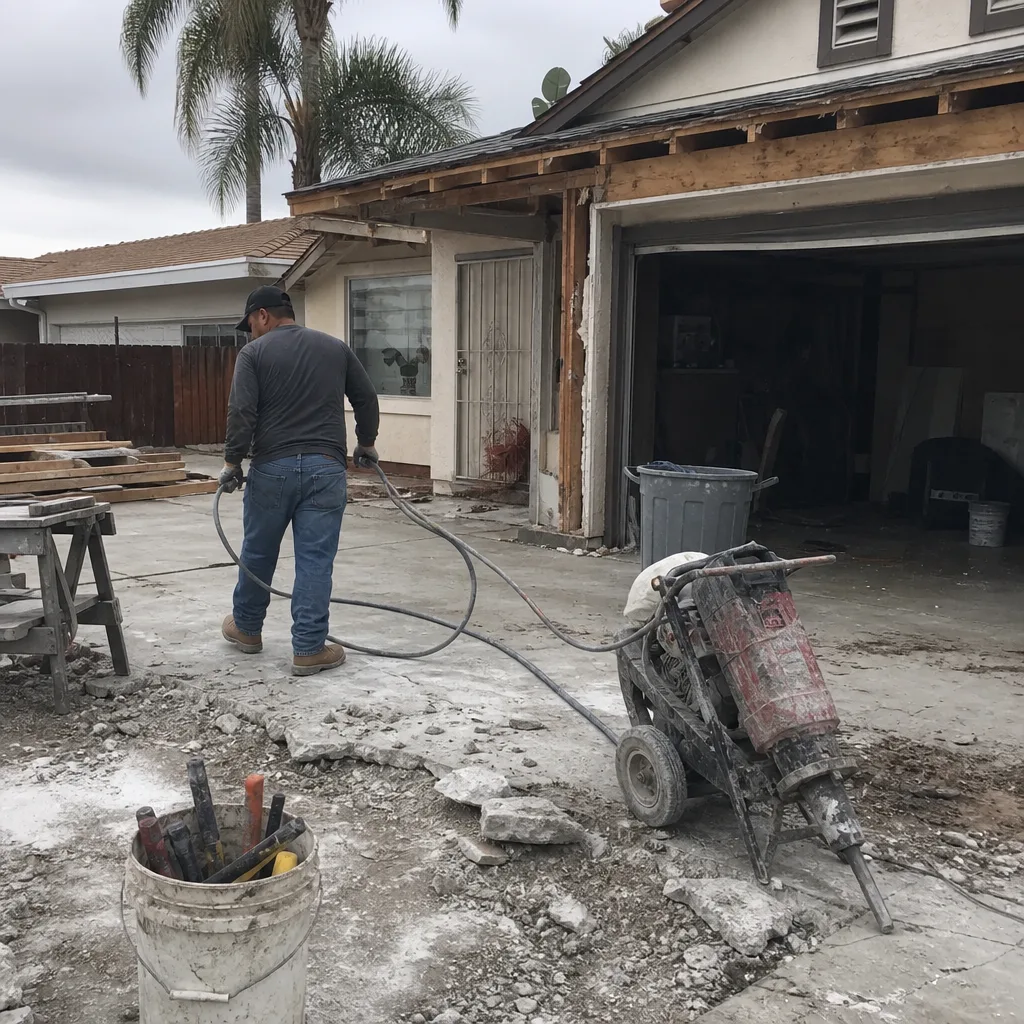 Before
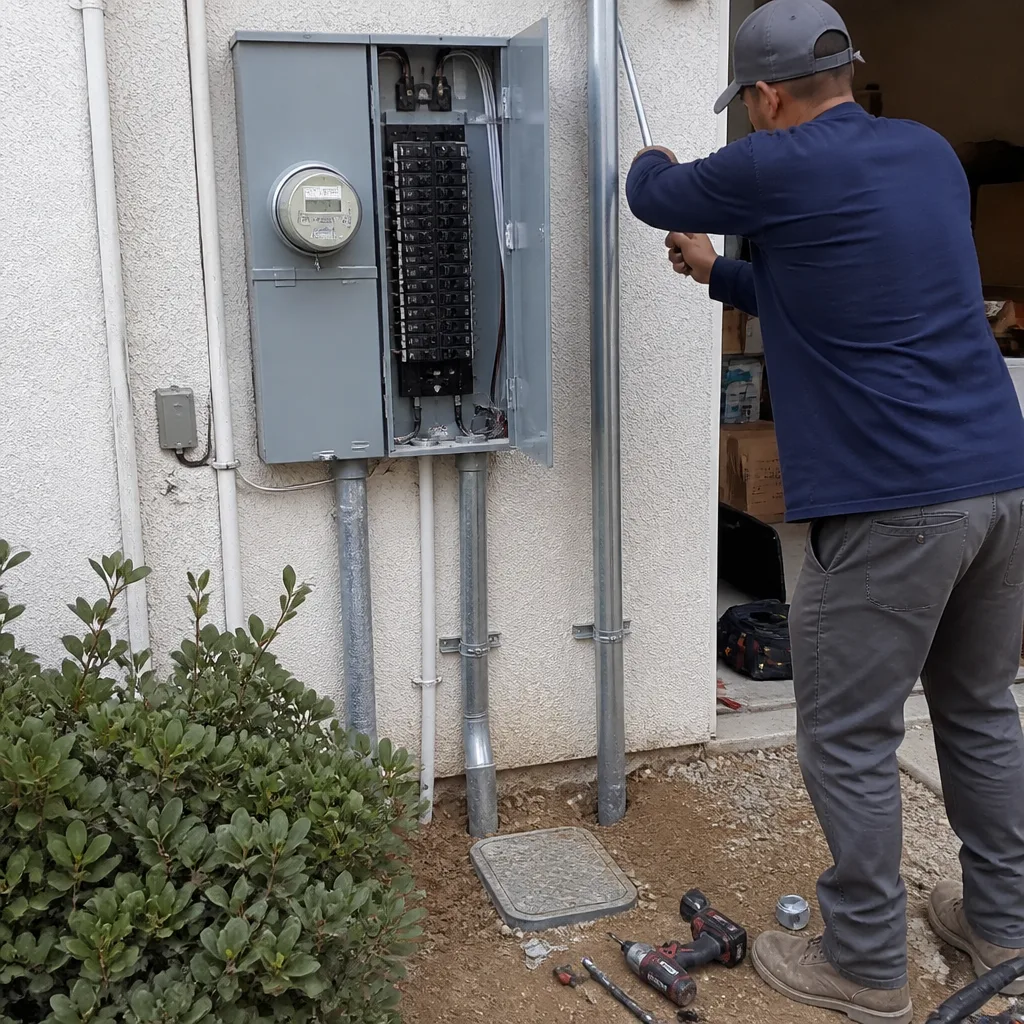 After
Abodu Service Pricing in Stanford
| Scope | Typical Range |
|---|---|
| ADU Construction (full Abodu placement) | $90,000 – $220,000 |
| Roof Repair (flashing, membrane, cricket work) | $400 – $1,800 |
What drives the number on the high end: geotechnical certification, seismic anchoring upgrades, architectural review revisions, and any roof or flashing corrections the factory spec doesn’t cover. A free estimate from us includes a site walk, a review of the existing foundation or pad if one’s in place, and a written line-item quote. Call (877) 752-3154 for exact numbers on your Stanford lot.
Serving Stanford, CA — Our Local Coverage Area
We’re based in the Stanford area and know this community well, including our Palo Alto Abodu service. Use the map below to see our service coverage — if you’re nearby, we can almost certainly help.
FAQs – Abodu Construction in Stanford
Does my Abodu unit need special seismic anchoring in Stanford due to the Calaveras Fault?
Yes. Abodu’s standard foundation brackets are not rated for the seismic movement anticipated along the Calaveras Fault near Stanford. Units placed on slab-on-grade pads need enhanced anchoring tied to the slab and certified by a geotechnical engineer before the county will release the permit. We coordinate that certification as part of the placement so it doesn’t stall the project.
How does Stanford’s architectural review affect my Abodu installation timeline?
Stanford’s architectural review board applies to most campus-adjacent lots in ZIP 94305, and exterior finishes, rooflines, and siting all have to pass before exterior work can start. In practice, that means adding a few weeks to the front end of any Abodu placement for drawings, submittals, and revisions. We’ve shepherded enough Stanford projects through that review to know which details get flagged, and we submit accordingly.
What roofing issues are common on Abodu units in Stanford’s climate?
The two recurring issues are low-slope ponding combined with oak debris, and corrosion of factory galvanized flashing exposed to the fog belt. Both accelerate membrane failure and panel-seam water intrusion if they’re not caught early. We address both during installation and as part of any roof inspection. Call (877) 752-3154 for a roof inspection on an existing Stanford Abodu unit.
Can Abodu’s standard foundation be used on Stanford’s expansive clay soils?
Some Stanford lots have expansive clay under the topsoil that swells and shrinks with seasonal moisture swings. Abodu’s standard pad bracket doesn’t isolate the unit from that movement, so we often recommend adjustable pier-and-beam or helical pier support instead of a direct slab-on-grade connection. A geotechnical report tells you which route applies to your specific lot.
What should I do if my Abodu unit’s exterior shows rust streaks within the first year?
Rust streaks mean the galvanized flashing or standard fasteners are already corroding, and the fix is to remove the affected flashing, apply peel-and-stick membrane, and replace fasteners with stainless steel. Do not wait, because the staining usually tracks water intrusion at the same seams. Call (877) 752-3154 and we’ll inspect the envelope before the damage moves inside the wall assembly.
Service Areas Near Stanford
We draw Abodu work from the entire Stanford/Foothill corridor and points south. If you’re researching an Abodu placement, you’ll also find us active in Stanford service area of course, and in the surrounding foothill towns. Our Abodu crews keep consistent routes through Abodu service in Ladera and Abodu service in Portola Valley, where the review boards and soil conditions present their own versions of the same siting puzzle.
Book Your Abodu Service in Stanford Today
If your Stanford lot has a Calaveras Fault rupture zone question, an architectural review hurdle, or an Abodu unit already showing fog-belt corrosion, call (877) 752-3154. We’ll send someone who’s done this exact work on both sides of the campus boundary.
Written by Noel Trevino, Owner & General Contractor at Moreno Valley Builders, serving Stanford’s campus-adjacent community with Abodu construction, siting, and repair work.