Last updated October 30, 2026
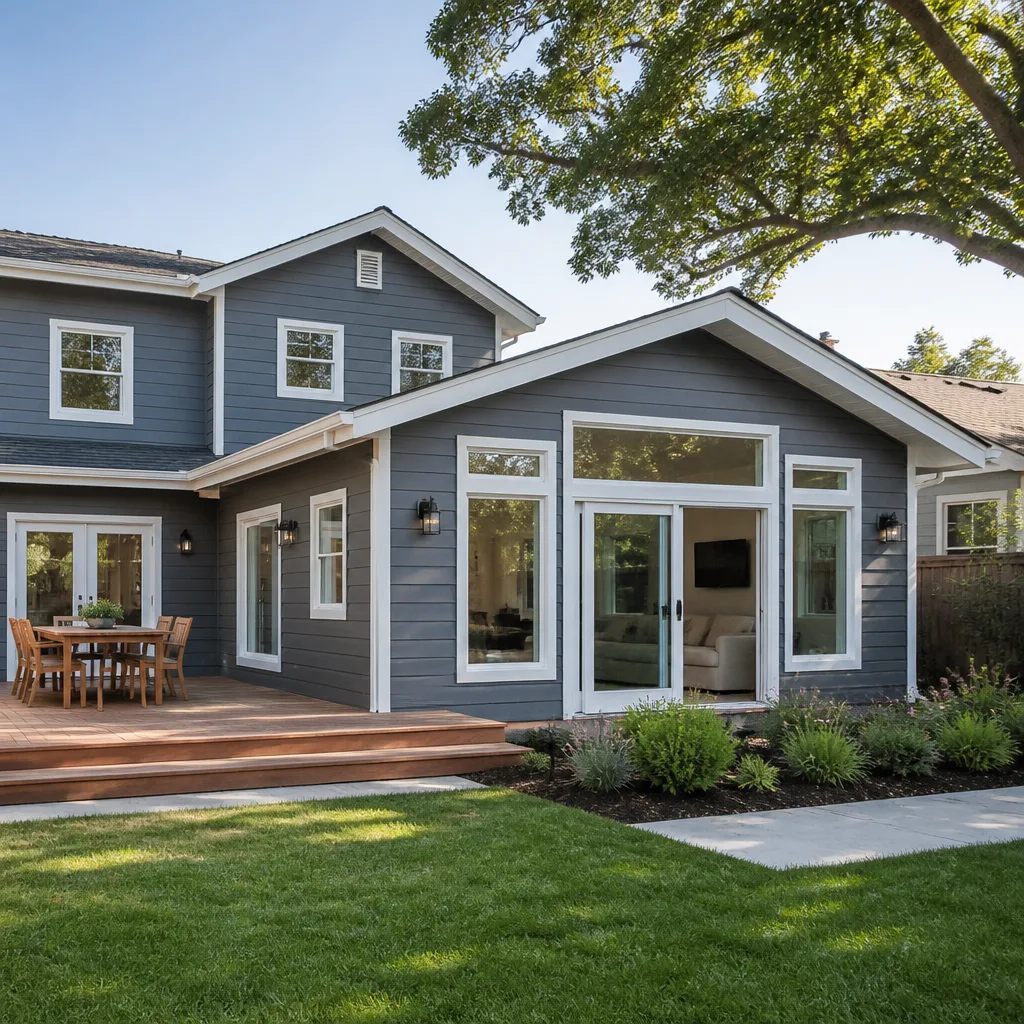 Home additions & ADU
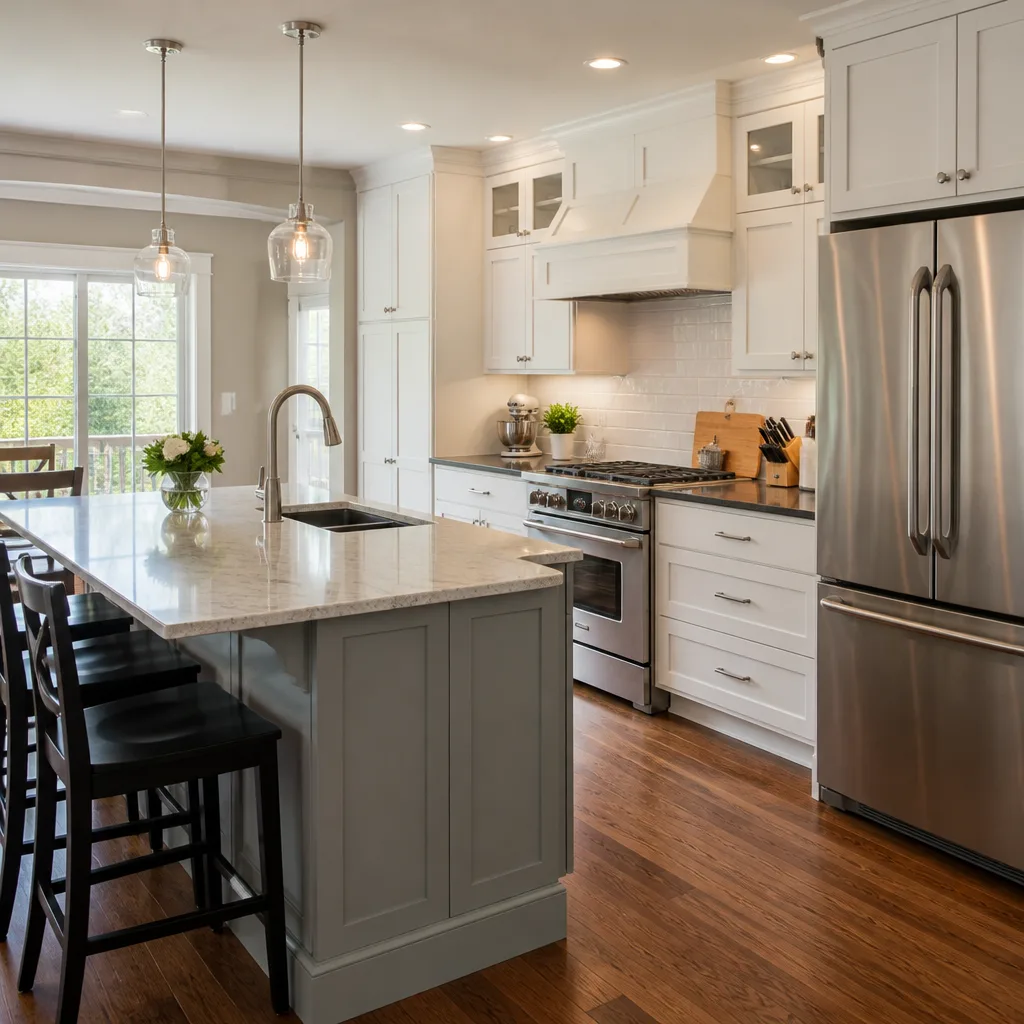 Kitchen remodeling
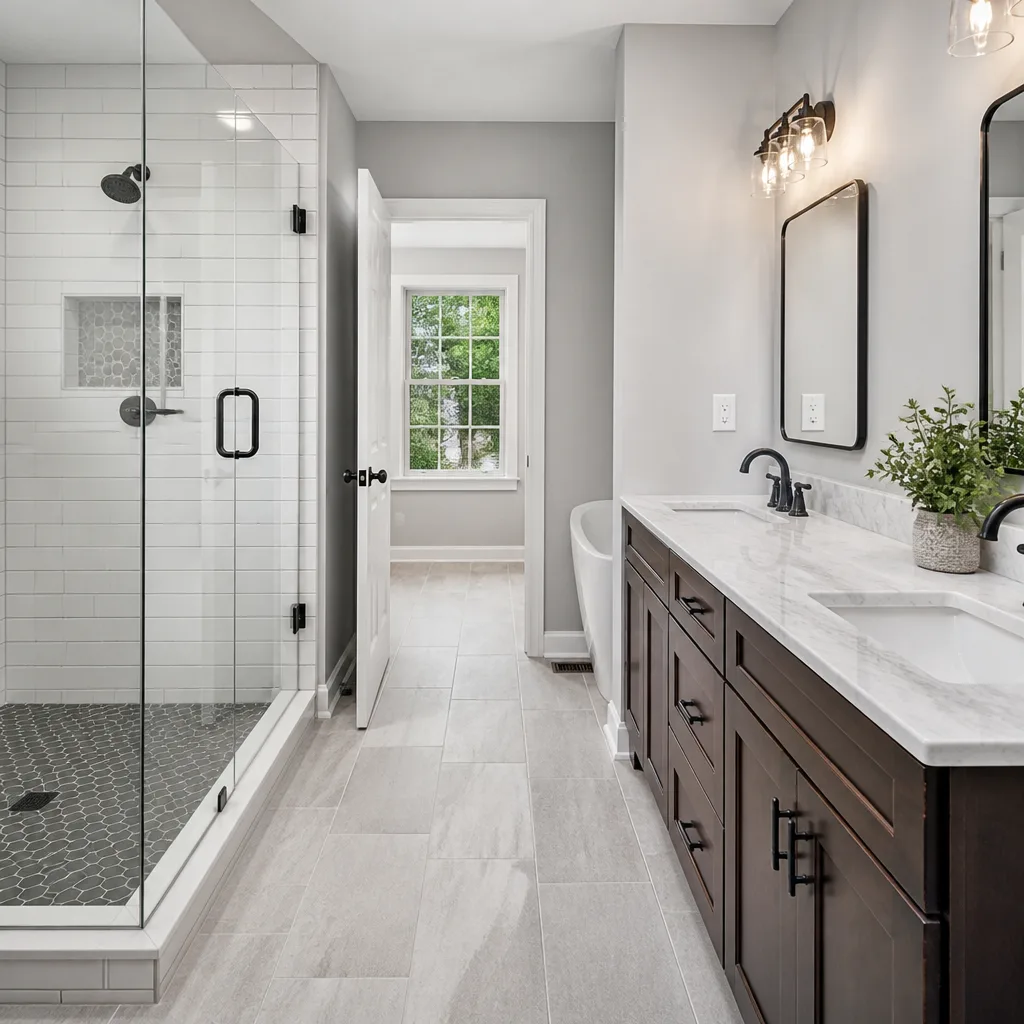 Bathroom remodeling
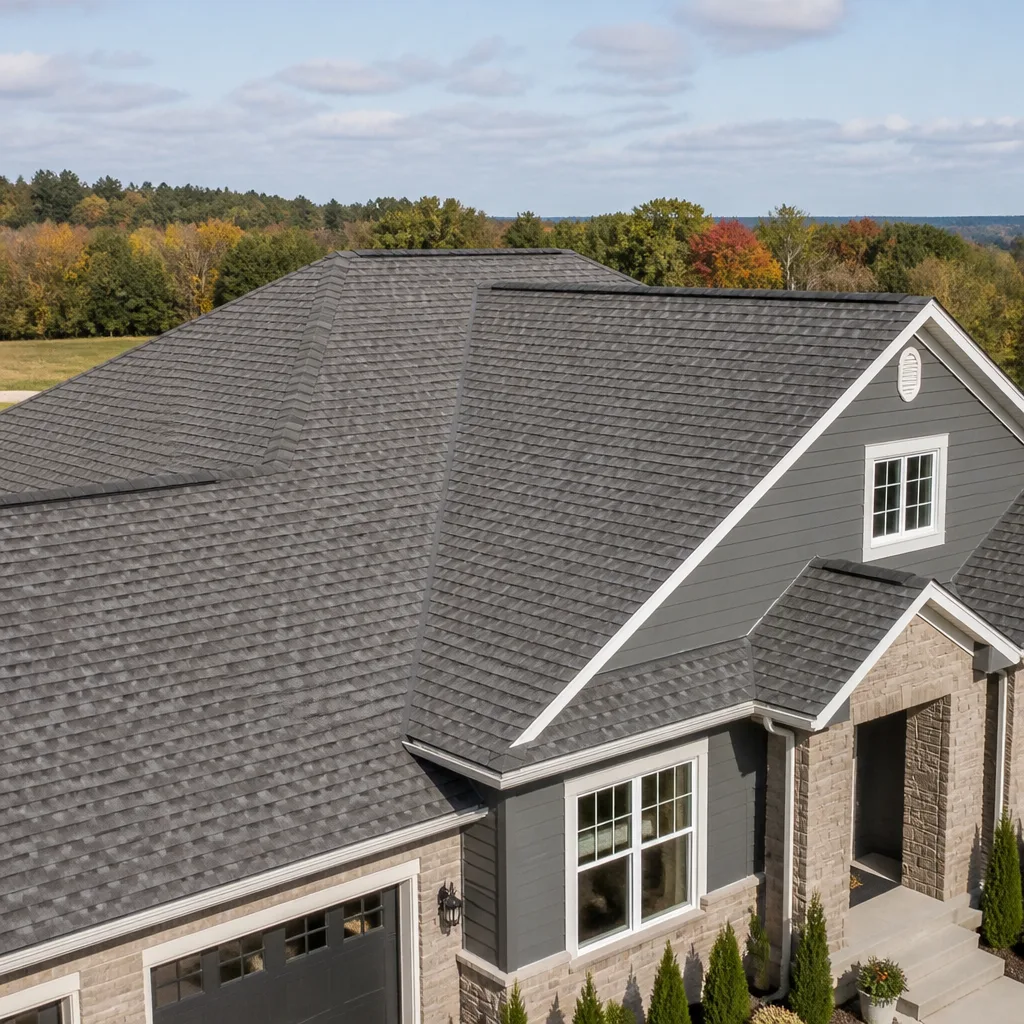 Roofing
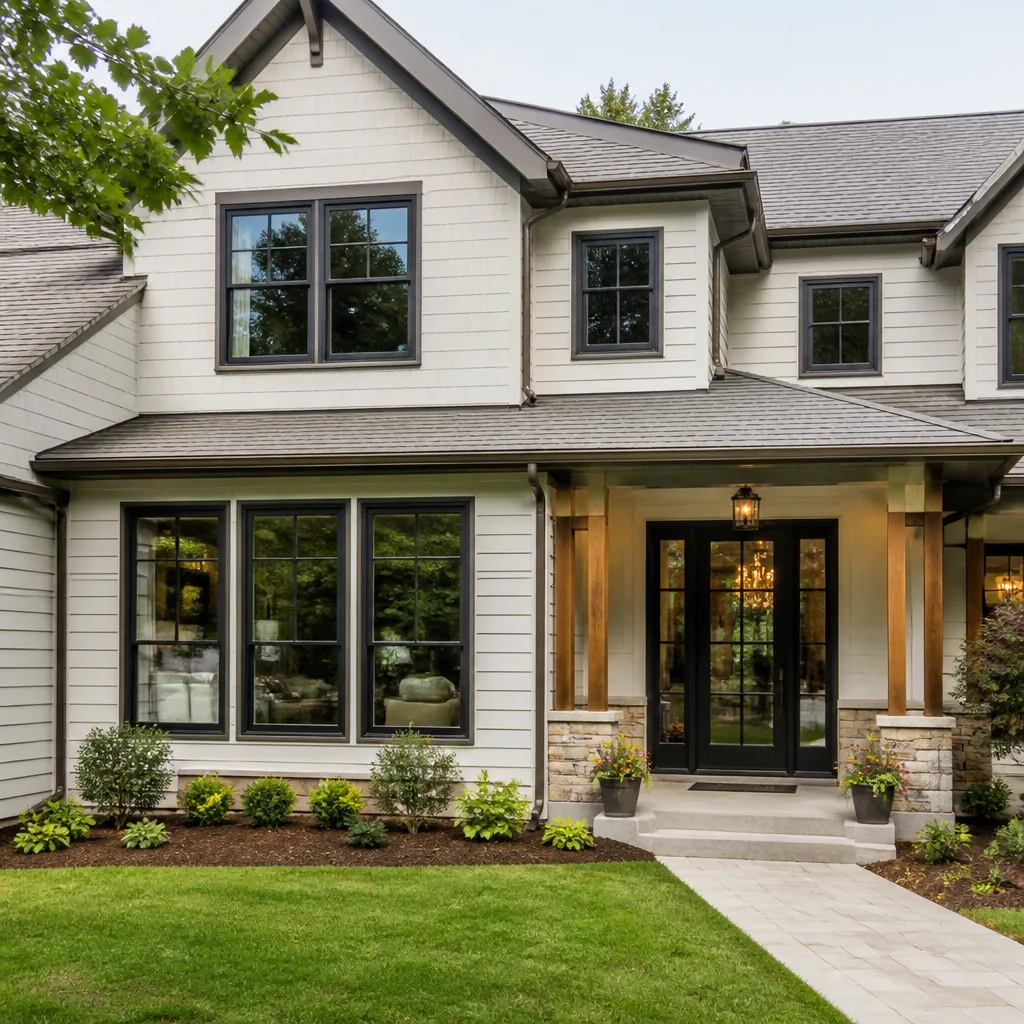 Windows & doors
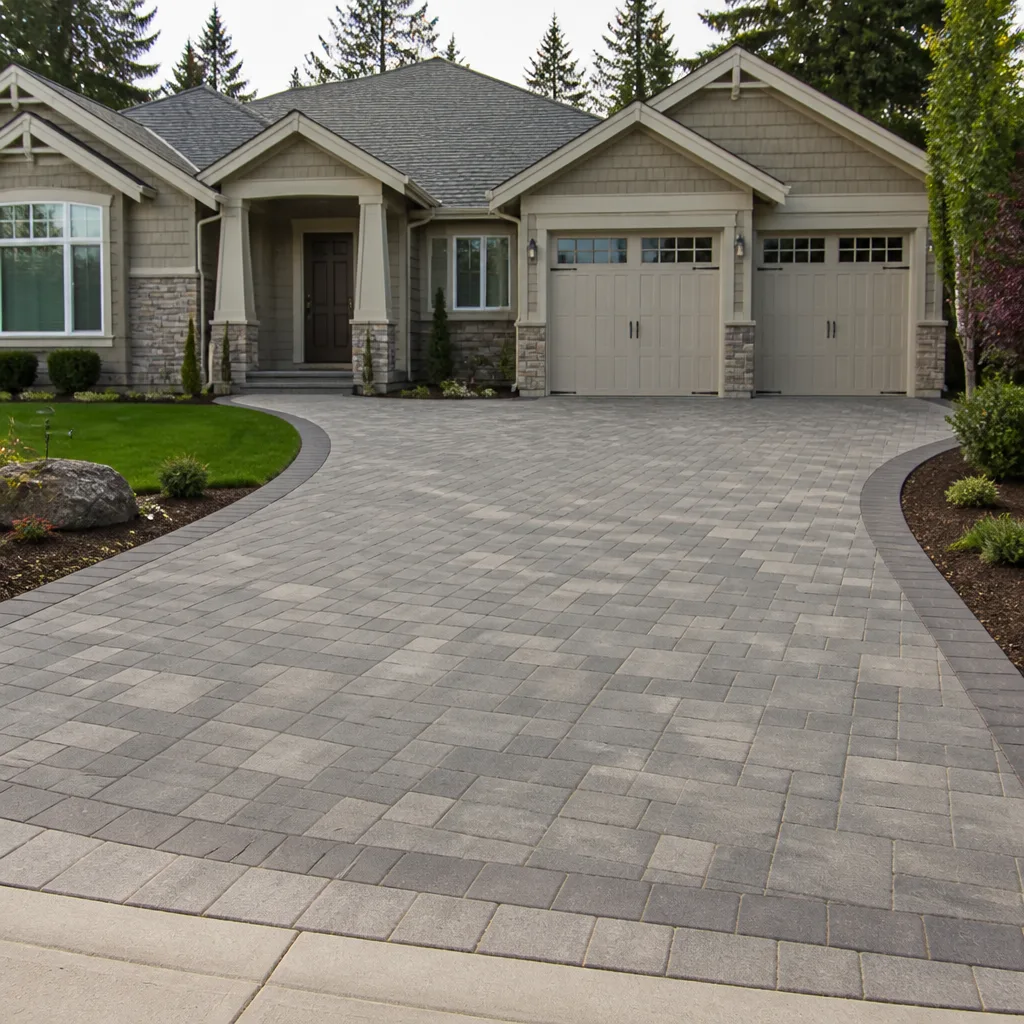 Driveway & pavers
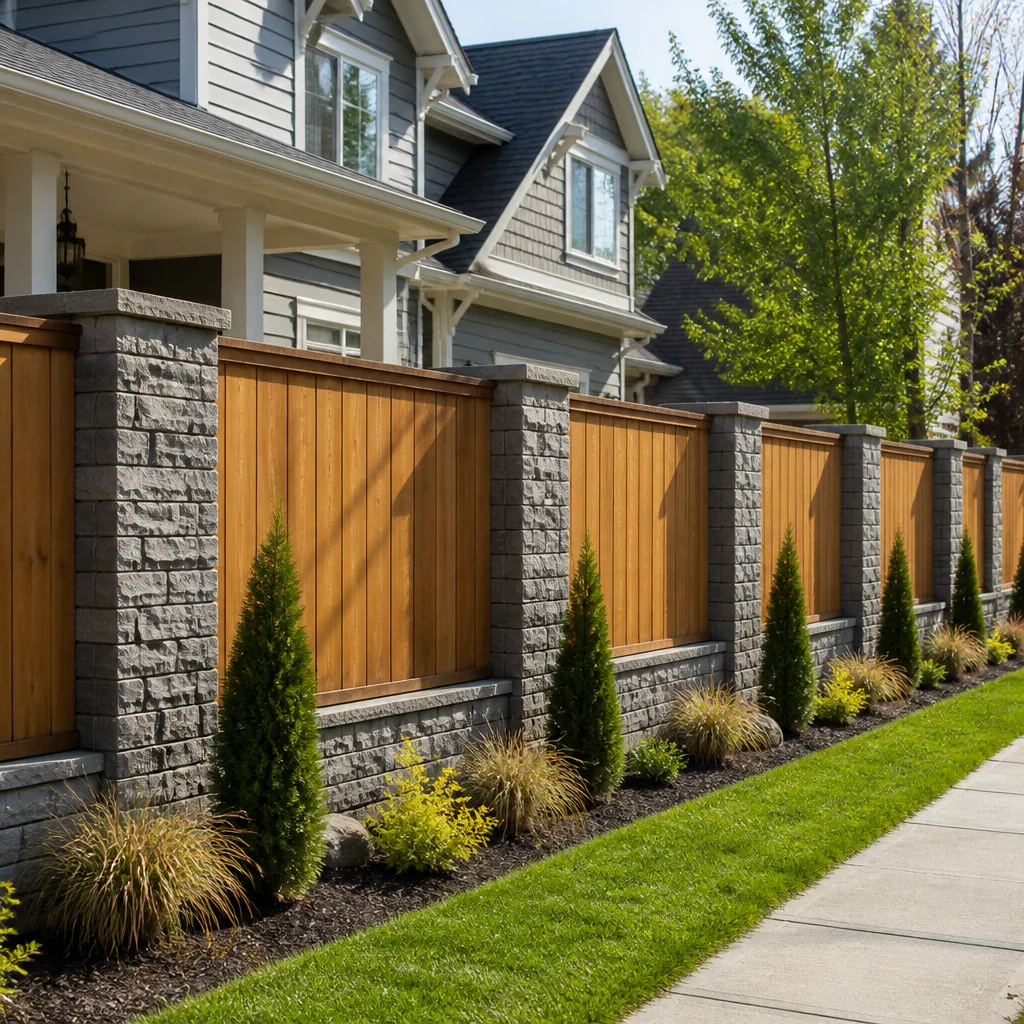 Fence
Free written scope consultation - allowances, timeline, and change-order rules on paper before a single trade is scheduled
The Complete General Contractor Guide for Moreno Valley Homeowners
Riverside County issued over 12,000 residential building permits last year, yet the #1 complaint to the Contractors State License Board isn’t bad workmanship. It’s project abandonment after deposit. A homeowner hands over a check, the contractor starts demo, then disappears for three weeks because they overbooked or under-bid. In Moreno Valley, where summer temperatures punish exposed framing and unfinished work, that gap between deposit and completion isn’t just annoying. It’s expensive. This guide maps the entire General Contractor services process through the specific lens of Moreno Valley’s permit office, climate, and material supply chain, so you’ll know what a legitimate bid looks like before you sign anything.
Quick Answer
A general contractor in Moreno Valley manages your entire construction project from permits to final inspection. The right GC for a Moreno Valley home is one who understands Riverside County permit timelines, specs materials for 110°F heat cycles, and carries a single-point-of-accountability contract with clear material call-outs, not vague allowances. Expect to pay between $150 and $350 per square foot for a full remodel in this market, with permit fees adding $2,000 to $8,000 depending on scope. See our Construction Cost Breakdown: The Moreno Valley Homeowner’s Reference for 2026 for detailed pricing.
Styles & brands we work with
Table of Contents
- How Moreno Valley Permitting Actually Works (and Why It’s Different)
- Why Moreno Valley’s Climate Should Dictate Your Material Specs
- GCs Who Self-Perform vs. GCs Who Sub Everything Out
- What a Legitimate Moreno Valley GC Contract Must Include
- How to Read a Bid Line by Line and Spot Allowance Padding
- How to Select a General Contractor in Moreno Valley
- Common Mistakes to Avoid
- When to Call a Professional
- Frequently Asked Questions
How Moreno Valley Permitting Actually Works (and Why It’s Different)
Moreno Valley pulls its building permits through the city’s Building and Safety Division, not directly through Riverside County. That distinction matters because city-level review adds a layer of plan check that neighboring unincorporated areas skip. In unincorporated Riverside County, a simple kitchen remodel might get permit approval in two weeks. In Moreno Valley, that same project often takes four to six weeks depending on plan-check backlog and whether your project triggers additional reviews for structural changes or energy compliance under California’s Title 24.
Here’s the part most homeowners learn the hard way: Moreno Valley requires plan checks for any project involving structural changes, additions, or ADU construction. A bathroom remodel that moves plumbing can sit in plan check for three weeks alone. A full home remodeling project in Moreno Valley that involves moving walls or changing rooflines can expect the entire permitting phase to run 6-10 weeks before a shovel touches dirt.
What does this mean for your schedule? You need a contractor who understands the actual sequence:
- Submit plans and structural calculations to the city’s online portal or in person at the Moreno Valley Civic Center on Frederick Street.
- Wait through initial plan review, typically 2-3 weeks for a minor remodel, 4-6 weeks for additions or ADUs.
- Respond to correction comments. Nearly every project gets at least one round of corrections. Quick responses here save weeks.
- Pay fees and pull the permit. Fees are calculated based on project valuation, and Moreno Valley’s fee schedule runs higher than many neighboring cities.
- Schedule inspections at each phase. Moreno Valley inspectors require 24-48 hours notice, and the city’s inspection windows are morning-only, meaning afternoon work often means waiting until the next day for an inspection.
The Moreno Valley Builders team handles this sequence as part of our scope because we know which projects trigger additional review and how to preempt correction comments. A GC who says “permits are no big deal” in Moreno Valley hasn’t pulled one recently, or isn’t pulling one at all, which is its own problem.
Why Moreno Valley’s Climate Should Dictate Your Material Specs
Moreno Valley sits in a hot semi-arid climate zone that pushes past 100°F for 20-30 days each summer. That heat isn’t just uncomfortable. It creates material stress that a contractor working in coastal Orange County or LA might never think about. When you’re interviewing a general contractor in Moreno Valley, ask specific questions about how heat affects their material recommendations. If they don’t have an answer, they haven’t built enough in this market.
Here’s what we know from working on home renovation projects across Moreno Valley:
- Roofing systems need heat-reflective consideration. We specify GAF and CertainTeed shingles with higher solar reflectance ratings because dark asphalt shingles absorb enough heat in a Moreno Valley July to push attic temperatures past 150°F. That heat load shortens HVAC lifespan and raises cooling bills by 15-20% compared to reflective alternatives.
- Exterior trim and siding expand and contract dramatically. James Hardie fiber cement siding holds up to this better than vinyl, which warps when south-facing walls hit 140°F surface temperatures. We’ve replaced vinyl siding in the Sunnymead Ranch area that buckled within five years of installation.
- Windows need low-E coatings and proper SHGC ratings. In Moreno Valley, single-pane or clear double-pane windows turn west-facing rooms into ovens. Impact-rated and high-performance window systems from brands like PGT and ECO Window Systems carry the specific solar heat gain coefficients that make a measurable difference here.
- Plumbing runs in exterior walls need insulation. Moreno Valley’s winter nights drop into the 30s, and while we’re not a freeze zone like the high desert, exposed pipes in uninsulated walls have cracked during cold snaps. We spec Delta and American Standard fixtures with brass or copper supply lines and insist on pipe insulation in any exterior wall cavity.
The point isn’t that you need to become a building science expert. It’s that your contractor should already be one. When a GC recommends a material, ask “why this one for Moreno Valley specifically?” A good answer will reference heat, UV exposure, and the dry climate’s effect on expansion and contraction. A bad answer is silence.
GCs Who Self-Perform vs. GCs Who Sub Everything Out
Every general contractor in Moreno Valley falls somewhere on a spectrum: those who self-perform some or most of the work with their own crews, and those who act purely as a project manager, subbing every trade to separate companies. Both models can work, but they create very different accountability structures, and in Moreno Valley’s tighter labor market, the distinction matters more than homeowners expect.
When a GC self-performs, the carpenter framing your addition works for the same company you hired to manage it. Labor scheduling is internal. Quality standards are consistent across phases. And when something goes wrong, there’s no finger-pointing between the GC and a sub. The company that signed your contract is the company whose crew did the work.
When a GC subs everything out, they coordinate independent crews for demo, framing, electrical, plumbing, drywall, paint, and tile. Done well, this gives you access to specialists who do one trade at a very high level. Done poorly, it creates gaps where the electrical sub blames the framing sub for a misaligned outlet box, and you’re standing in the middle holding a contract that nobody seems accountable to.
In Moreno Valley, the sub-heavy model faces a specific challenge: labor shortages in the Inland Empire mean the best subs are booked out, leaving GCs scrambling to fill slots with whoever’s available. We’ve seen remodels stall for weeks because a drywall sub overbooked and left a homeowner with taped-and-mudded walls waiting for texture.
The solution isn’t to demand a GC who self-performs everything. Almost no one does. The solution is to ask the question directly: “Which phases do you self-perform and which do you sub out? Who are your regular subs, and how long have you worked with them?” A confident answer with named subs who’ve worked together for years is worth more than a vague promise of in-house crews. The key is knowing the answer before you sign.
What a Legitimate Moreno Valley GC Contract Must Include
California law sets minimum contract requirements for all contractors through the CSLB. A legitimate contract must include the contractor’s license number, a description of the work, a total price, a payment schedule that doesn’t exceed $1,000 or 10% of the total for the deposit (whichever is less), and a notice of your right to cancel within three days. But those are legal minimums. They won’t protect you from the specific failure points we see in Moreno Valley projects.
Here’s what a contract written for this market should include beyond the CSLB basics:
- Material call-outs by brand and model. “Kitchen faucet” is not a specification. “Delta Trinsic single-handle pull-down in matte black” is a specification. Your contract should name specific products for every visible finish: cabinets, countertops, plumbing fixtures, lighting, tile, flooring, and hardware. If it says “contractor grade,” assume you’re getting the cheapest thing at the supply house.
- A named sub list. The contract should identify which trades will be subbed out and, ideally, name the companies. This prevents the “whoever’s available” labor problem mentioned above.
- Allowance amounts for every budget line. If your contract says “flooring allowance: $3,000” but doesn’t specify what flooring that buys, you’re signing up for the cheapest LVP available. Allowances need real numbers attached to real products.
- Change order process in writing. The contract should state that any changes to scope or materials must be documented in writing with a price adjustment before work proceeds. Verbal changes are how projects go 20% over budget.
- Permit responsibility. Who pulls the permits? Who handles inspections? Who pays the fees? In Moreno Valley, permit fees are often a line item in the contract, and you want to see the actual fee schedule, not “permits included” with no breakdown.
- Timeline with a penalty or at least a schedule. Our general contractor services in Moreno Valley always include a phase-by-phase schedule. Not every contractor writes timelines into contracts, but a contractor who can’t produce one hasn’t thought through your project thoroughly.
A contract is a blueprint for accountability. If yours is three pages with vague categories, you’re not protected. If it’s fifteen pages with specific product names and a sub list, you’re working with a professional.
How to Read a Bid Line by Line and Spot Allowance Padding
The most common way homeowners get overcharged in Moreno Valley isn’t a dishonest contractor. It’s an under-specified bid. The GC provides a low number to win the job, writes vague allowances into the contract, and then watches the final cost climb as you select actual materials that cost more than the placeholder numbers.
Here’s how to read a bid like someone who’s been burned before:
Look for TBDs and “to be determined” lines. Every TBD in a bid is a future cost you haven’t priced yet. One or two is normal. Ten is a red flag. A legitimate bid prices out 90% of the job at the time of signing.
Check whether cabinets are a specific line item or an allowance. Kitchen remodels in Moreno Valley range widely. A KraftMaid or Wellborn cabinet package for a typical 10×12 kitchen runs $8,000 to $20,000 depending on door style and finish. If your bid shows “cabinets: allowance $5,000,” you’re going to upgrade and spend more. That’s not dishonest, but it means your initial bid wasn’t real.
Read the countertop line carefully. Cambria and Caesarstone quartz run $65 to $120 per square foot installed in this market. Granite runs $45 to $80. Laminate runs $20 to $40. If your bid says “countertops: include” without specifying material, assume laminate and price in the upgrade.
Scrutinize the demo and hauling line. Moreno Valley’s landfill and transfer station fees are baked into every contractor’s hauling costs. A bid that doesn’t break out demo and hauling may be burying the cost elsewhere, or worse, planning to cut corners on disposal.
Ask about overhead and profit. Most GCs in the Inland Empire charge 15-25% on top of direct costs for overhead and profit. A bid that seems too low often means the GC dropped their margin to win the job, which means they have to make it up somewhere, usually through change orders.
We believe a good bid should be boring. It should be line after line of specific numbers attached to specific products. When you get a bid that’s all categories and allowances, you’re not getting a price. You’re getting an estimate of what the contractor hopes you’ll eventually pay.
How to Select a General Contractor in Moreno Valley: The Interview
You have bids. You have references. Now you need to interview. Most homeowners ask the wrong questions. They ask “how much” and “how long.” Those matter. But the questions that predict whether your project goes smoothly are about process, materials, and accountability.
Here’s the interview template we recommend to anyone hiring a Moreno Valley Builders competitor (we’re confident in the comparison):
- “What do you do when a sub doesn’t show up?” The answer reveals whether they have backup subs, whether they self-perform enough to absorb the gap, and whether they’ll be honest with you about delays. A good GC has a plan. A bad one says “that never happens.”
- “Which brands do you work with for cabinetry, countertops, plumbing, and roofing, and why those?” This uncovers the difference between a contractor who has relationships with material suppliers and one who buys whatever’s on sale at the big-box store. We work with 50+ name-brand manufacturers, including Kohler, Grohe, Toto, and Schluter for plumbing and tile systems, because we’ve tested what performs in Moreno Valley’s climate and what doesn’t.
- “How do you handle material lead times?” In the current Inland Empire supply chain, custom cabinets run 6-12 weeks, specialty windows 8-16 weeks, and some imported tile 4-10 weeks. A GC who doesn’t order materials before demo starts will leave your home torn apart while you wait for deliveries.
- “What’s your process for change orders?” The answer should be immediate: “Any change gets documented in writing with a price adjustment before work proceeds.” If they hesitate, you’re going to deal with surprise costs.
- “Who is my point of contact, and how do I reach them?” If the answer is “you’ll have my cell number,” that’s good. If it’s “the office will route your call,” that’s less good. You want one accountable project manager.
Selecting a general contractor in Moreno Valley is not about finding the lowest bid. It’s about finding the clearest bid with the most specific materials and the strongest accountability structure. Pay for clarity now or pay for surprises later.
Common Mistakes to Avoid
- Signing without a sub list. A contract without named subs means you have no idea who’s performing the work. In Moreno Valley’s current labor market, where sub availability varies dramatically, you want to know who’s on your project and how long they’ve worked with your GC.
- Paying more than 10% deposit. California caps contractor deposits at $1,000 or 10%, whichever is less. If a GC asks for 50% upfront, that’s a red flag, and in Moreno Valley, it’s the #1 signal of a contractor about to abandon your project.
- Bypassing permits to save time. Moreno Valley’s permit process is slower than neighbors’, and the temptation to skip it is real. But unpermitted work will surface when you sell, and the city has fined homeowners for discovery. The permit is your insurance that the work meets code.
- Choosing materials without climate context. That dark architectural shingle might look great on a Pinterest board, but on a Moreno Valley August afternoon, it’s raising your attic temperature by 30 degrees. Ask your GC for heat-specific recommendations.
- Rushing the bid phase. The single most expensive mistake we see is a homeowner who gets three bids, picks the cheapest, and signs. Six months later, the change orders have doubled the price. Take an extra week to read every bid line by line.
- Ignoring the permit fee line item. Moreno Valley permit fees for a full remodel can hit $5,000-$8,000. Some bids bury these or call them “included” without listing the actual amount. Know your permit cost as a separate line item.
- Not asking about warranty in writing. If your contract doesn’t state what’s covered and for how long after completion, you don’t have a warranty. Get it in writing, tied to specific products and workmanship.
When to Call a Professional
Any project that involves structural changes, electrical work, plumbing moves, or roof penetrations needs a licensed general contractor. In Moreno Valley, that covers almost everything beyond paint and flooring swaps. If your project requires a permit, you need a GC who understands the city’s plan-check process and inspection schedule. If your project involves multiple trades, you need a single point of accountability to coordinate them. And if your project involves any work that could void your insurance or create liability, the decision is already made for you. Moreno Valley Builders offers free estimates in Moreno Valley. Call (877) 752-3154 to schedule yours.
Frequently Asked Questions
General contractor fees in Moreno Valley typically add 15-25% on top of direct project costs for overhead and profit. For full remodels, expect to pay $150-$350 per square foot depending on material choices and project complexity. A kitchen remodel runs $35,000-$85,000, a bathroom remodel $18,000-$40,000, and an addition $200-$400 per square foot. Call (877) 752-3154 for an exact quote. Estimates are free.
A typical kitchen remodel in Moreno Valley takes 8-12 weeks from demo to final inspection, not including the 4-6 week permitting phase. Bathrooms run 4-6 weeks. Additions run 3-6 months. Your timeline depends heavily on material lead times, and Moreno Valley’s permit backlog adds 2-4 weeks to any project compared to unincorporated Riverside County.
Any project involving structural changes, electrical work, plumbing relocations, or additions requires a permit from the city of Moreno Valley’s Building and Safety Division. This includes kitchen and bathroom remodels that move plumbing, window replacements that change opening sizes, and all ADU construction. Your GC should pull permits in their name, not yours.
Yes, and that’s normal. Hidden conditions behind walls, like water damage or outdated wiring, require change orders with written price adjustments. The key is that these should be documented in writing with a clear explanation of the issue before work proceeds. A contractor who refuses to document changes is the problem, not the change itself.
Look for reviewers who mention your specific type of project. A roofer with 100 great roofing reviews doesn’t tell you much about their kitchen remodel capability. Look for mentions of communication, change order handling, and how the contractor handled problems. Every project has problems; good contractors solve them professionally.
You can act as your own general contractor in California, but in Moreno Valley, the permit process, sub coordination, and inspection scheduling will consume 15-20 hours per week during active construction. Most homeowners who try it end up hiring a GC to fix schedule delays and coordination problems. If your project has more than two trades, hire the professional.
The Bottom Line
Hiring a general contractor in Moreno Valley isn’t about finding someone with a license and a truck. For The Complete Guide to Construction in Moreno Valley, read our companion resource. It’s about finding someone who understands this specific market: the Riverside County permit timelines, the 110°F summers that dictate material choices, and the labor market that makes sub coordination the hardest part of the job. Read your bid like a contract, not a sales pitch. Ask about materials by name. Get your sub list in writing. And remember that the cheapest bid is almost never the cheapest project. Moreno Valley Builders brings 50+ material brand relationships, single-point accountability, and deep Inland Empire construction experience to every project. From permits to punch list, one contractor handles it all. Call (877) 752-3154 for a free estimate.
Written by the team at Moreno Valley Builders, serving Moreno Valley since 2017.
See the difference
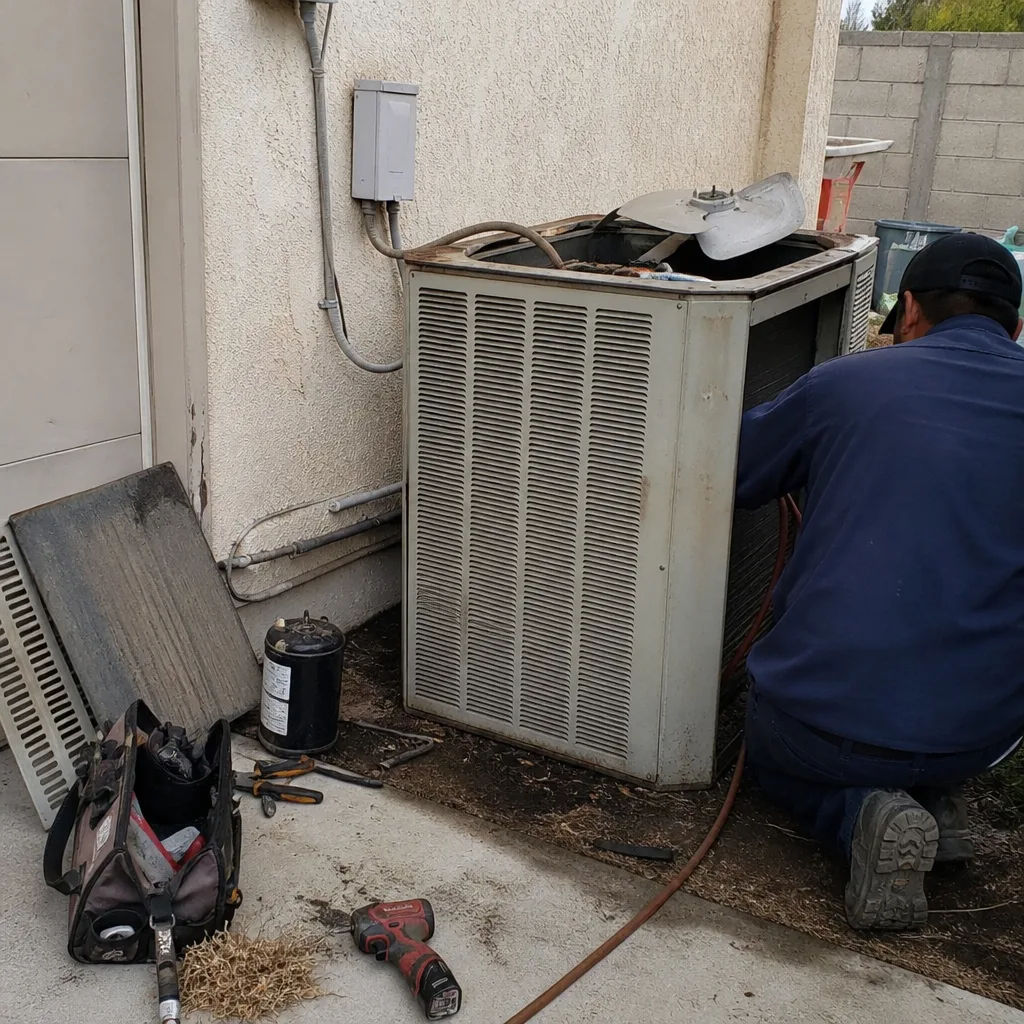 Before
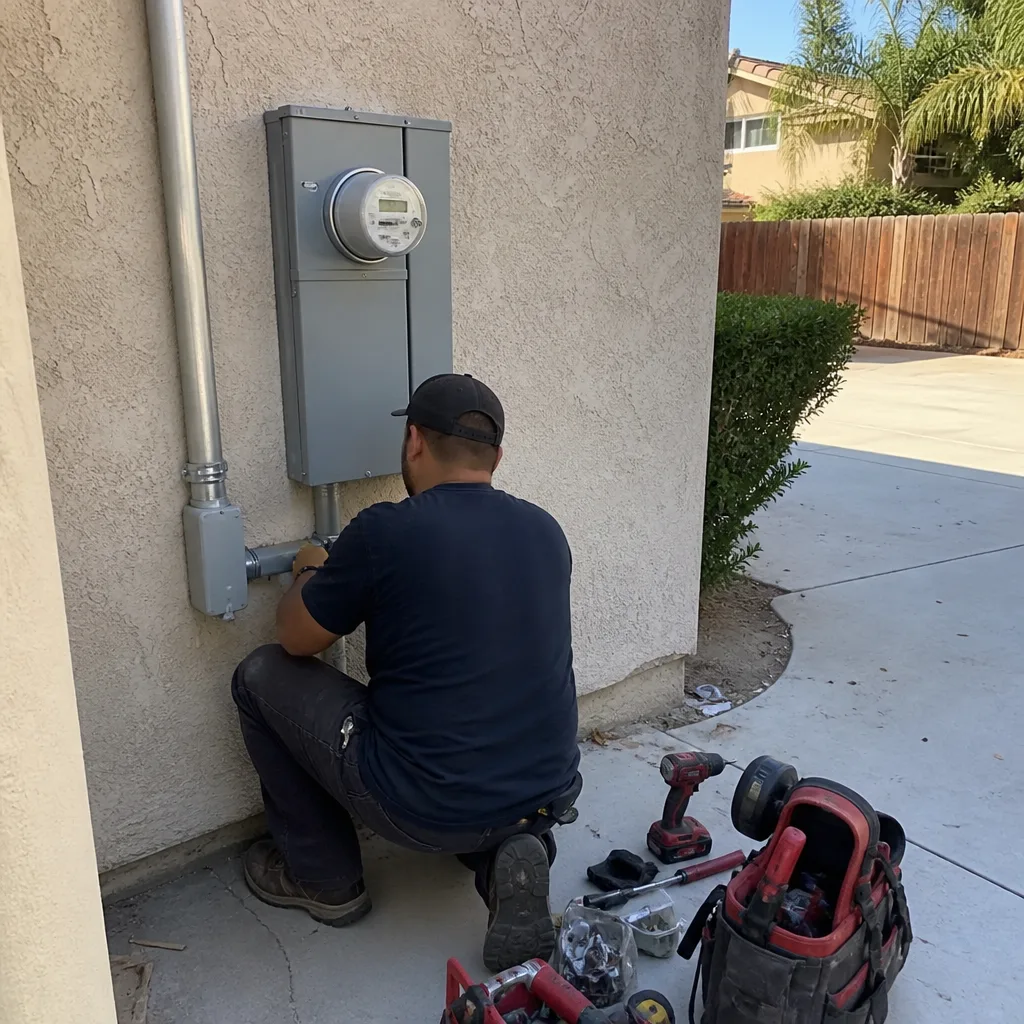 After
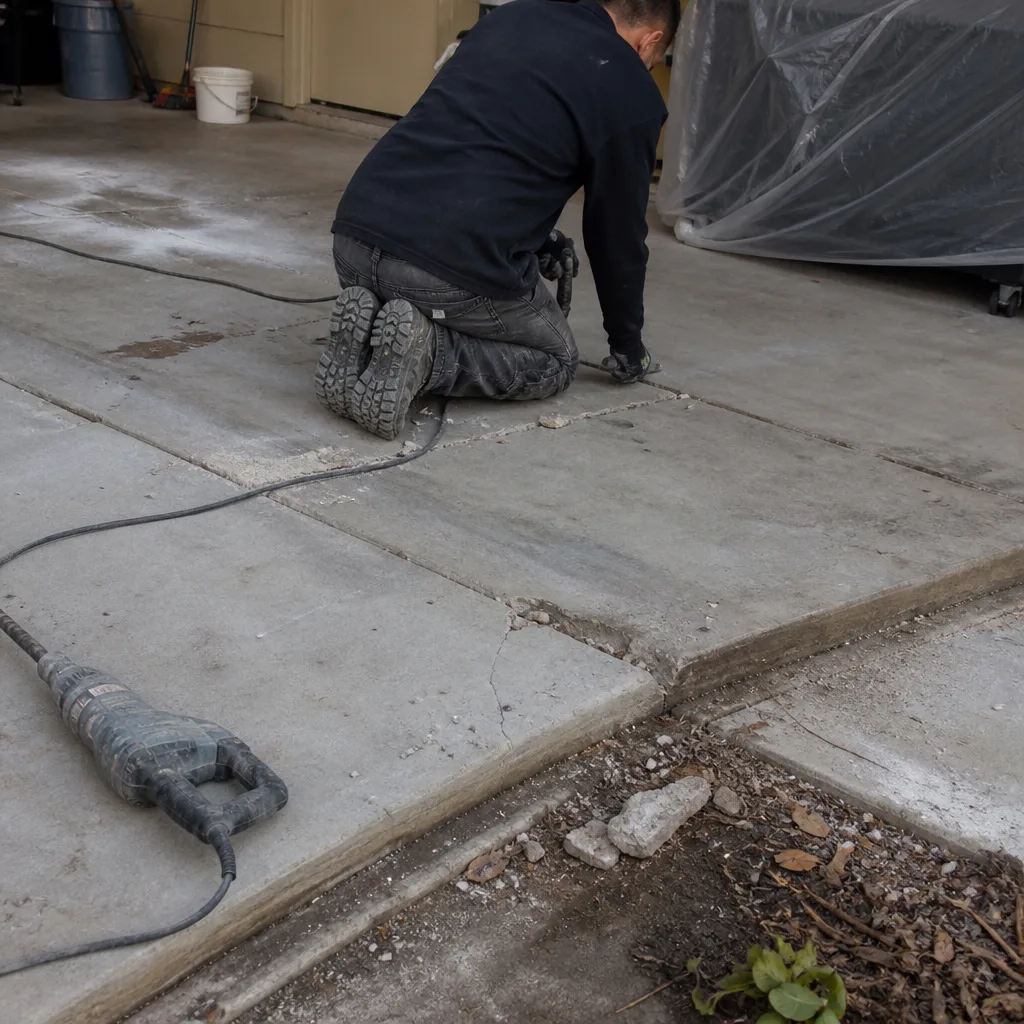 Before
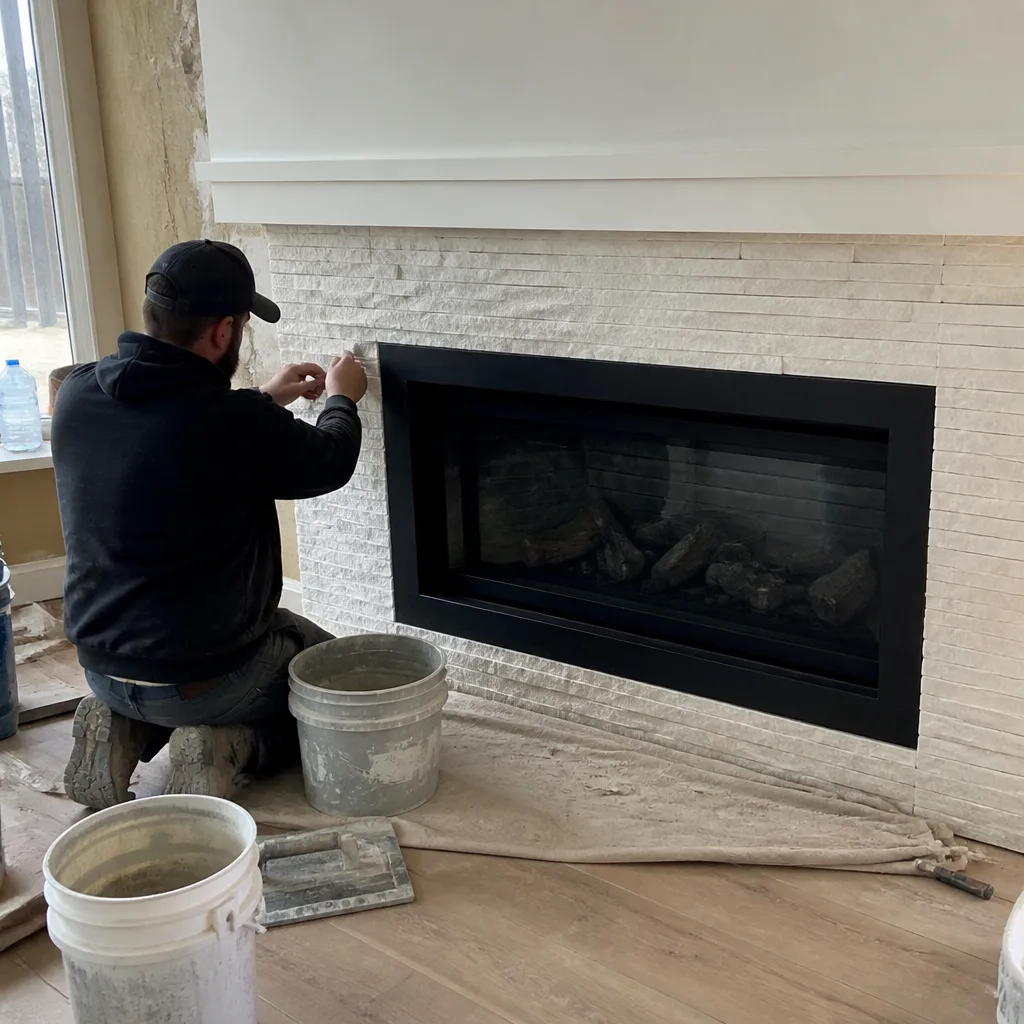 After
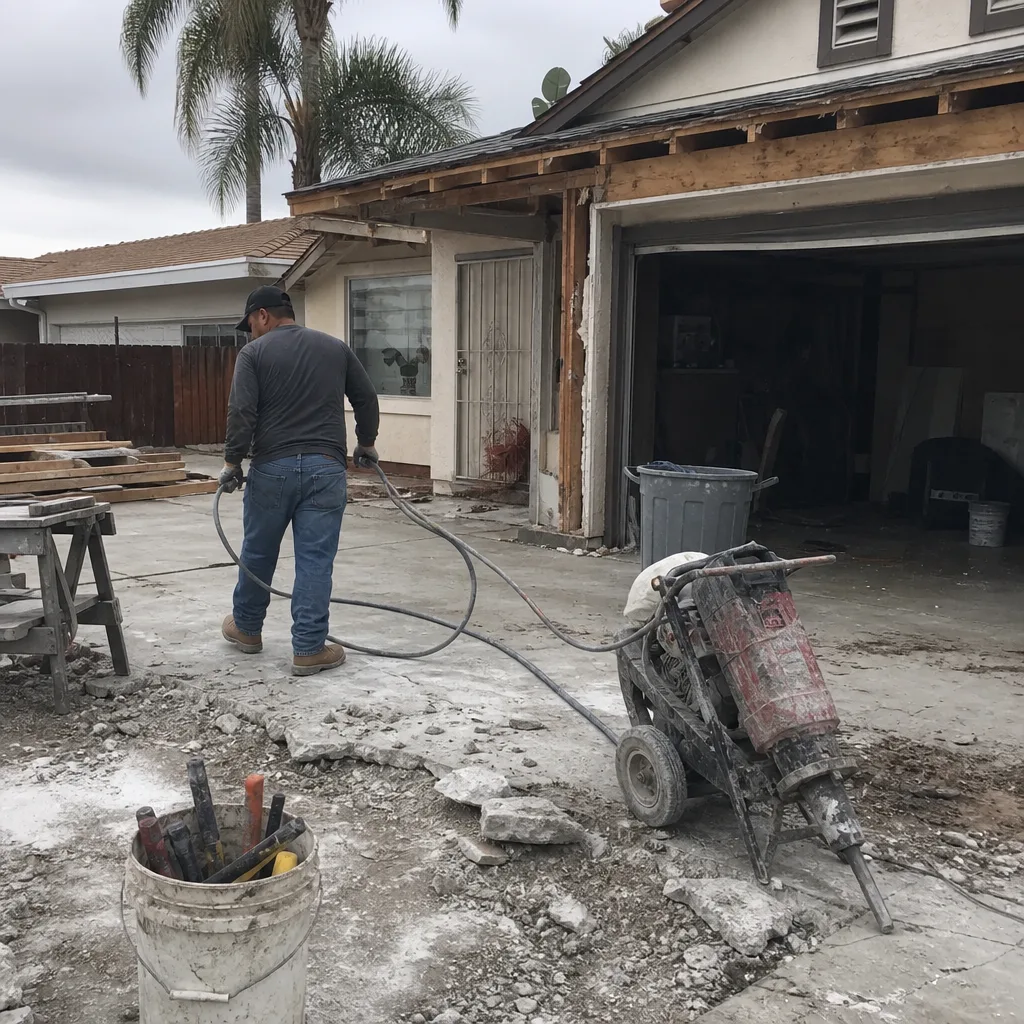 Before
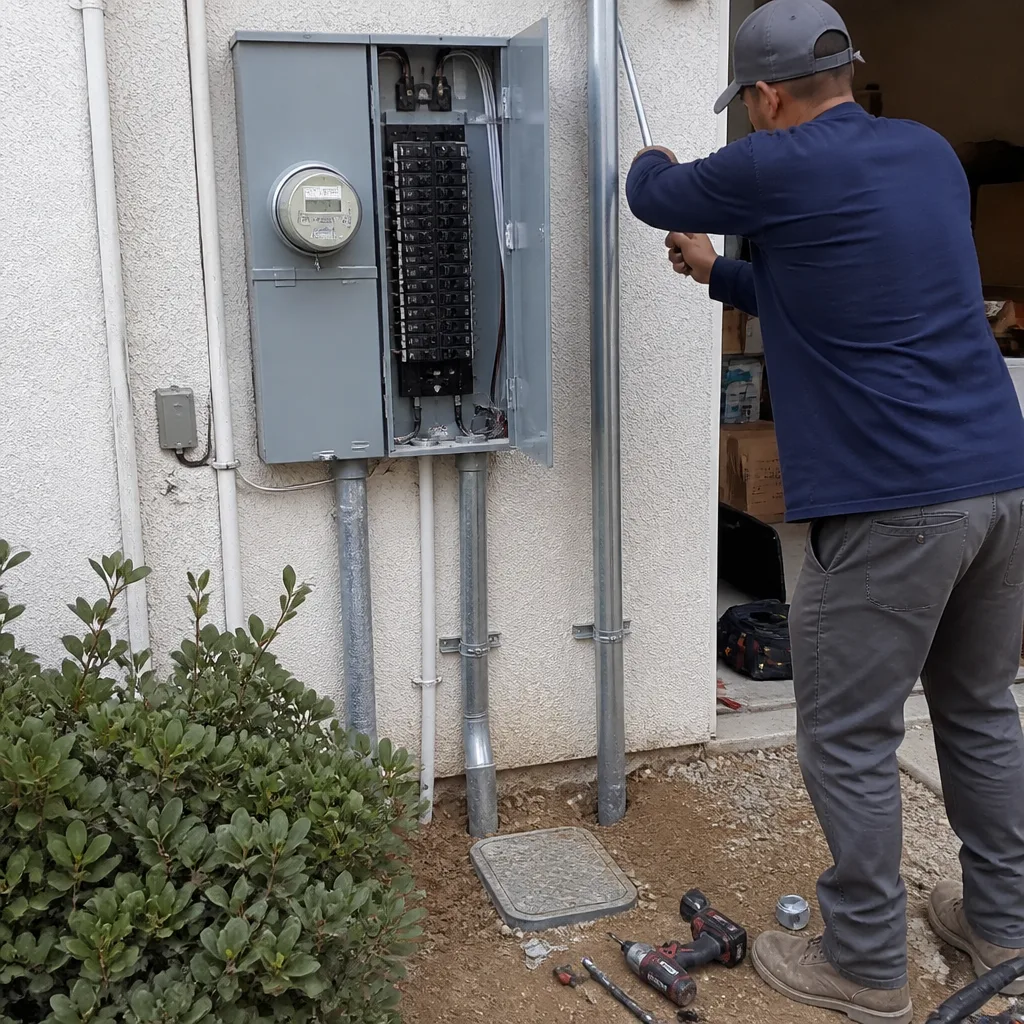 After