Last updated October 30, 2026
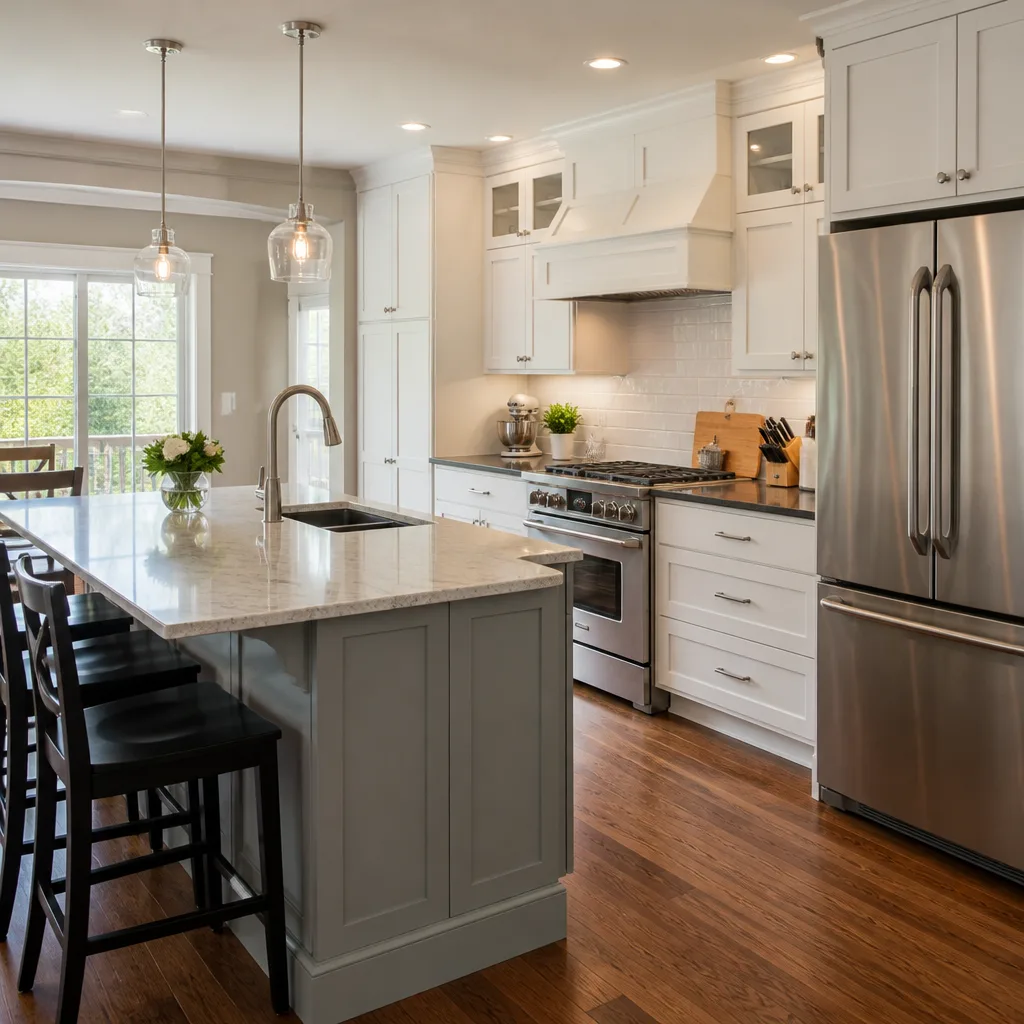 Kitchen remodeling
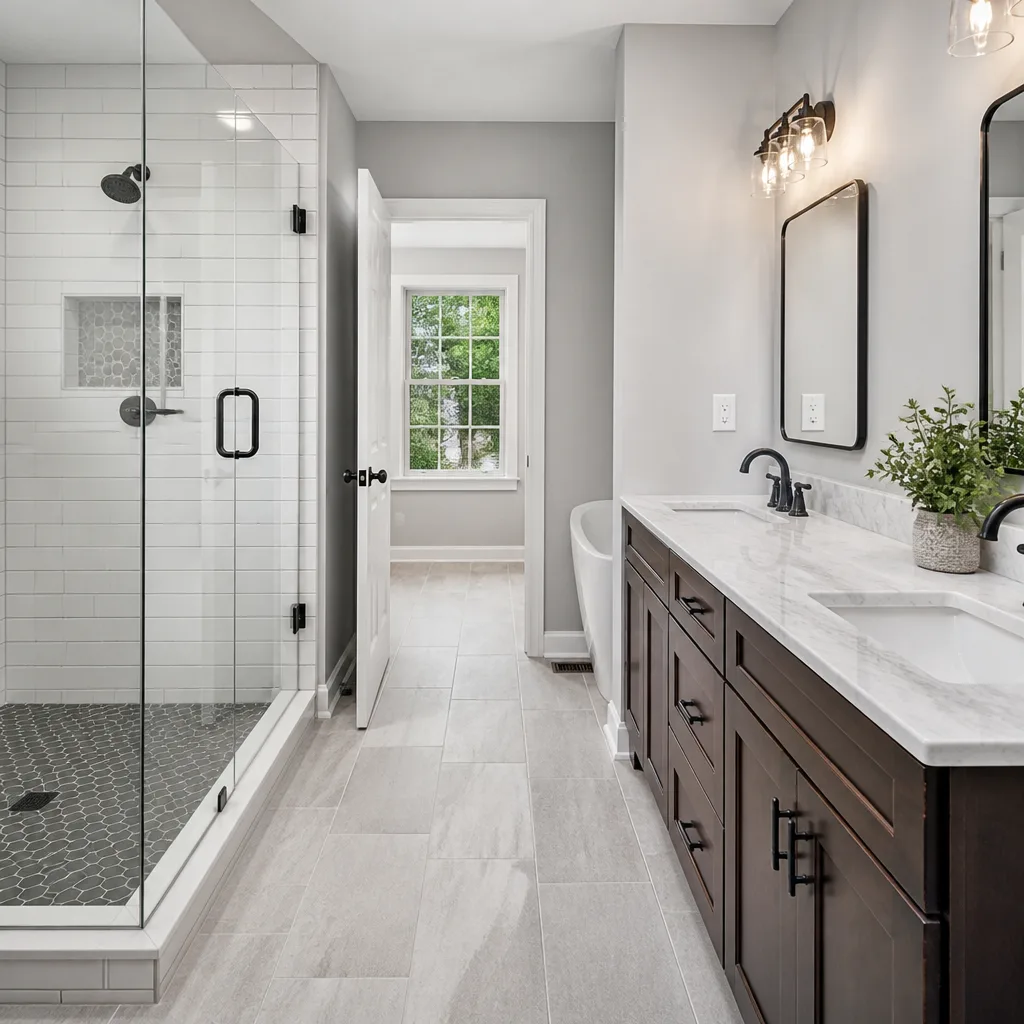 Bathroom remodeling
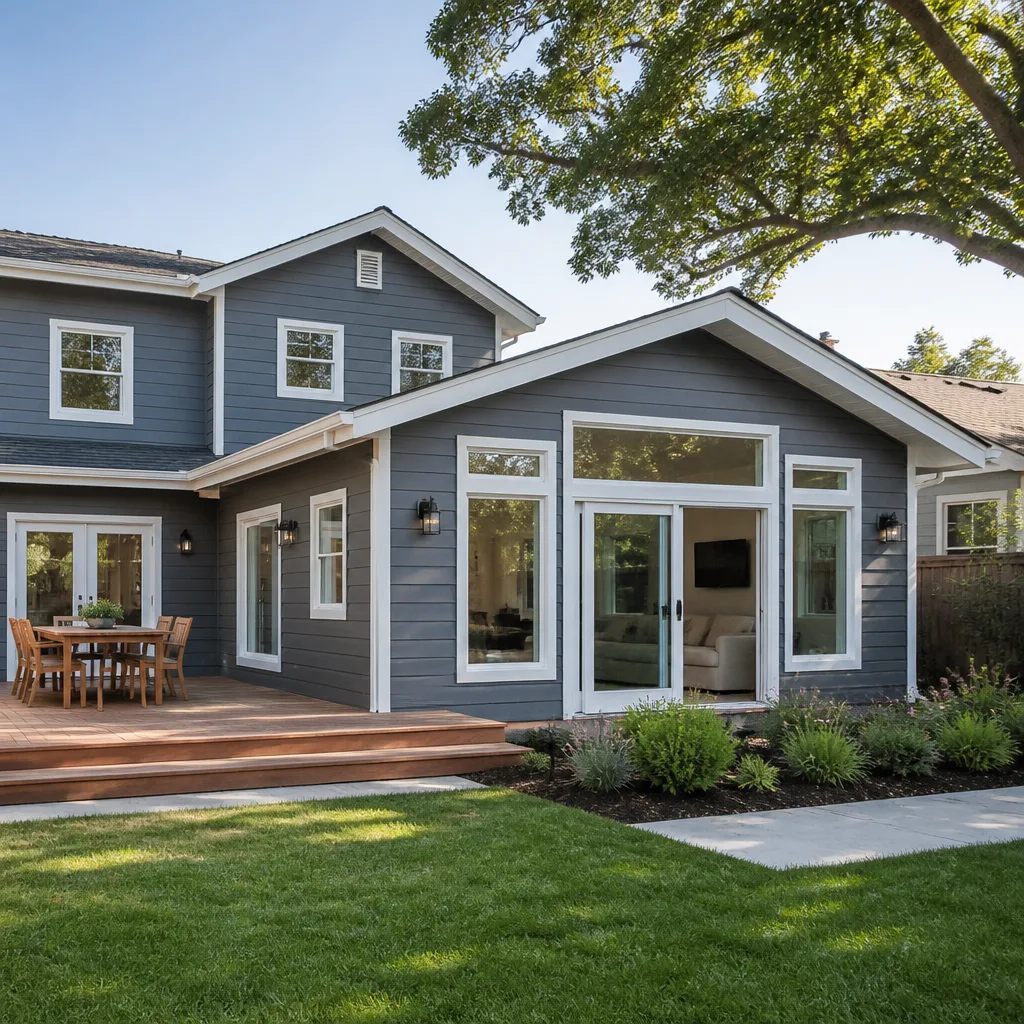 Home additions & ADU
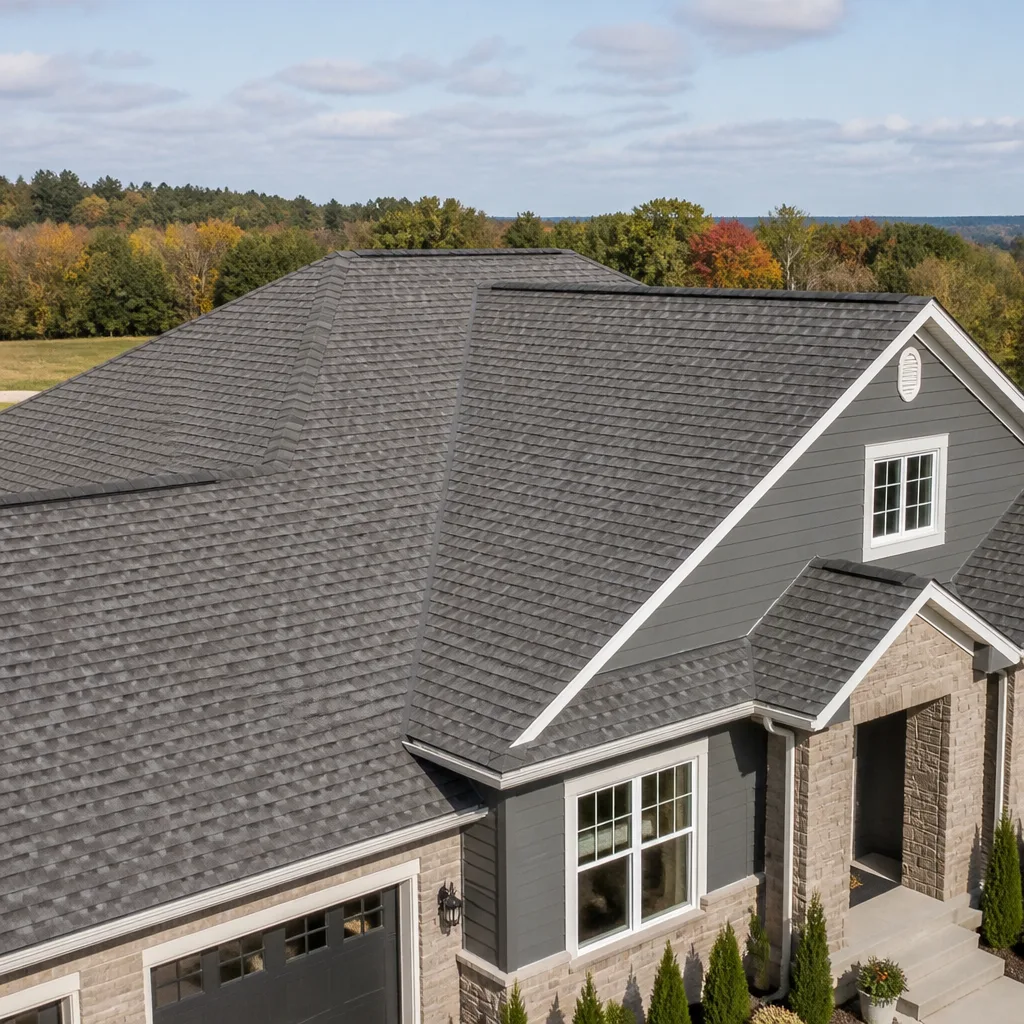 Roofing
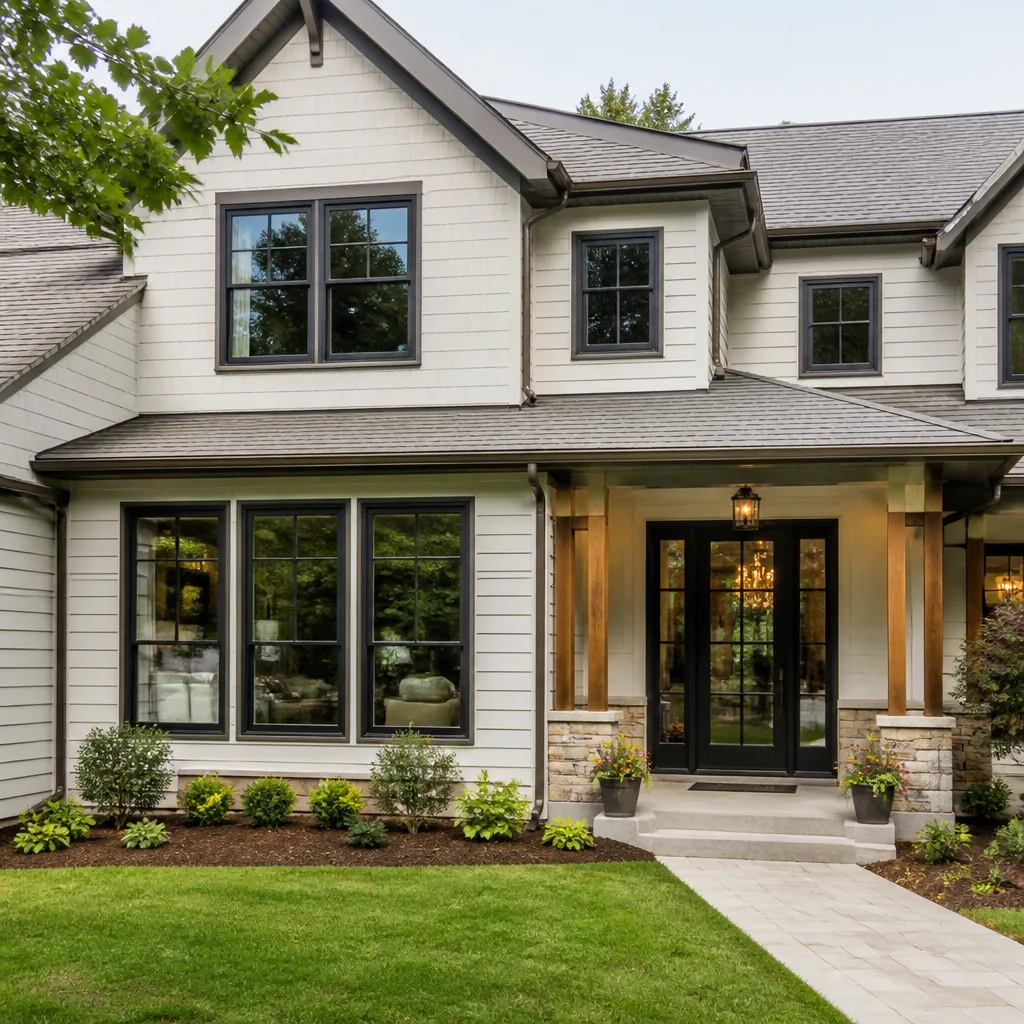 Windows & doors
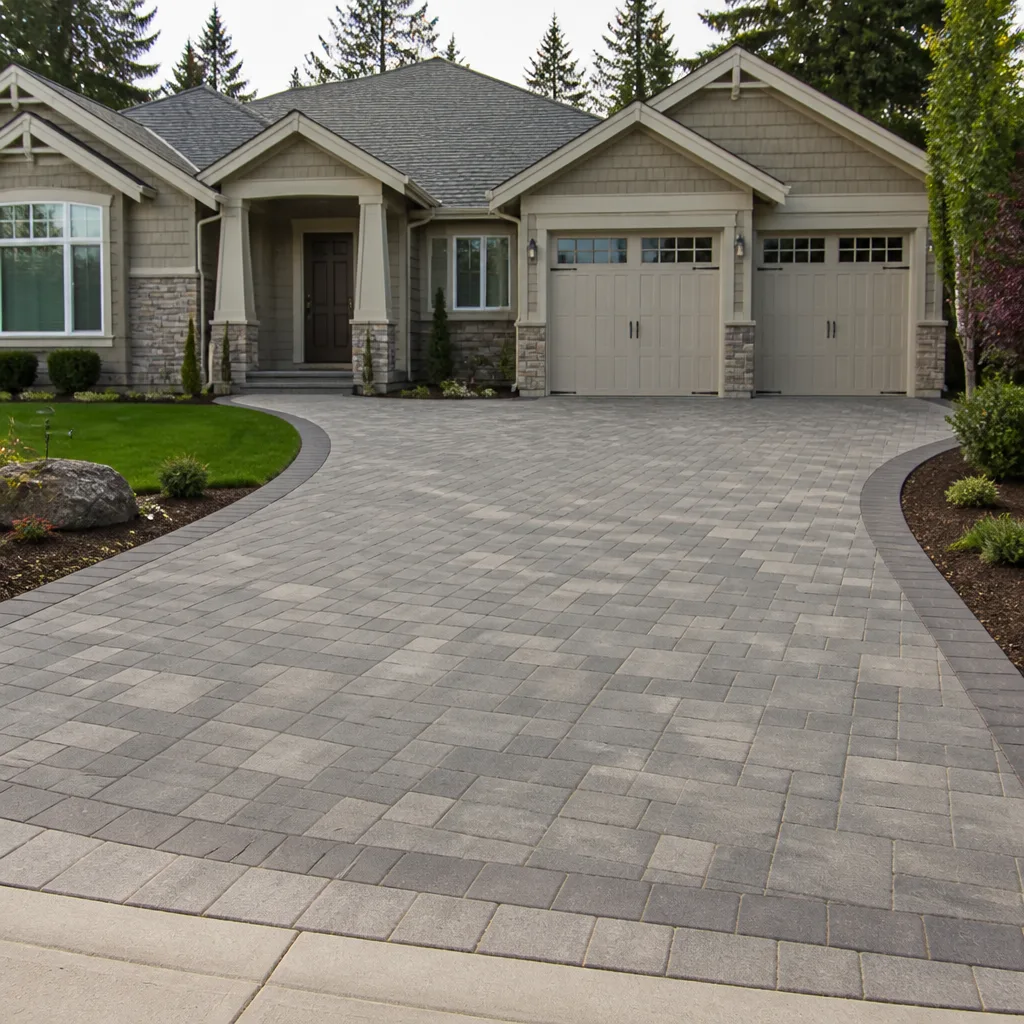 Driveway & pavers
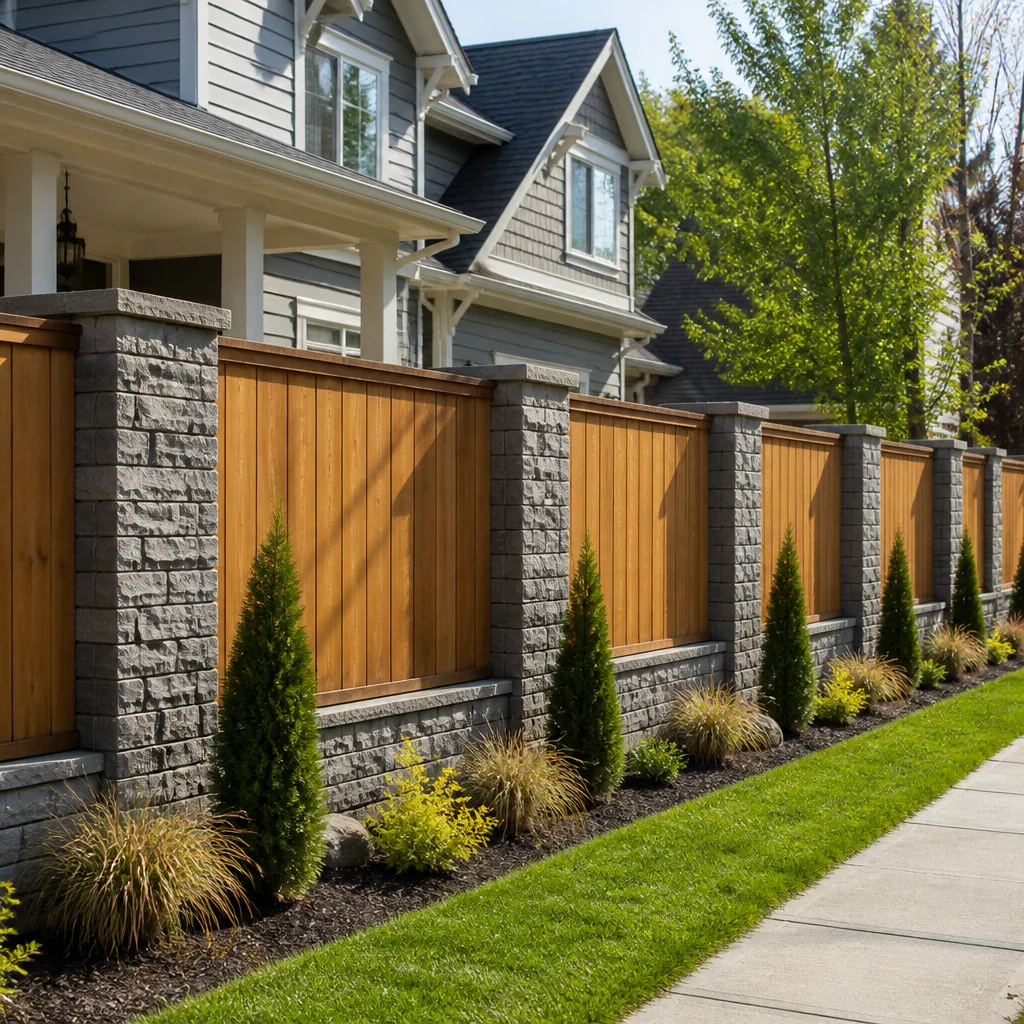 Fence
Free written scope consultation - allowances, timeline, and change-order rules on paper before a single trade is scheduled
Choosing the Right Construction Brand: A Buyer’s Guide for Moreno Valley
A roofing manufacturer’s 30-year warranty is legally void if the shingles are installed outside their specified temperature application range, and several major shingle lines specify application temperatures that Moreno Valley regularly exceeds between June and September. That single detail, buried in a technical data sheet almost no homeowner reads, separates a true material specification from a marketing brochure. This guide explains how to evaluate construction brands against the actual conditions that define building and remodeling in Moreno Valley: extreme summer heat, intense UV exposure, Santa Ana wind events, and a local code environment that demands specific performance ratings. You’ll learn what to look for category by category, how warranty stacks actually work, and how to use a general contractor’s brand relationships as a shortcut to judging their experience level.
Styles & brands we work with
Quick Answer
The right construction brand for a Moreno Valley project is the one whose documented performance specifications match Inland Empire conditions: high maximum service temperatures, elevated UV exposure ratings, and wind resistance classifications tested for Southern California, not national averages. Brand selection should follow warranty terms and technical data sheets first, design preference second. A qualified General Contractor in Moreno Valley who maintains active accounts with 50+ established manufacturers can specify and verify the correct product version in writing, which matters more than the logo on the box.
Table of Contents
- Why Moreno Valley Conditions Change Brand Specifications
- How to Read a Technical Data Sheet for the Inland Empire
- Roofing Brands Compared for Moreno Valley Heat and Wind
- Windows and Doors: Heat Gain Coefficients Matter Here
- Cabinetry and Countertops for High-Heat Kitchens
- Contractor-Grade vs. Retail: The Distribution Gap
- The Warranty Stack: What Actually Covers Failure
- Using Brand Relationships to Judge a Contractor
- Common Mistakes to Avoid
- When to Call a Professional
- Frequently Asked Questions
- The Bottom Line
Why Moreno Valley Conditions Change Brand Specifications
Moreno Valley sits in a climate band that manufacturers call a “high thermal stress zone.” July and August daytime highs routinely exceed 100°F, with roof surface temperatures reaching 160°F to 180°F on composition shingles. UV index readings in the Inland Empire run 9 to 11 through much of the summer, placing sustained photodegradation pressure on exterior materials. Add Santa Ana wind gusts that can hit 60 mph in canyon-adjacent neighborhoods, and you have conditions that test products far beyond what national marketing materials assume.
What this means in practice: a roofing shingle that carries a 30-year warranty in Seattle or Portland may realistically deliver 15 to 18 serviceable years on a Moreno Valley roof with full western exposure. That is not a product defect. It is physics. Heat accelerates asphalt oxidation. UV radiation breaks down polymer bonds in siding, decking, and window seals. Wind repeatedly flexes shingle tabs and stresses nail retention points. The smart approach for any Home Remodeling in Moreno Valley project is to select products whose technical specifications anticipate these conditions, not products whose brand reputation was built in a milder climate.
We have specified products in Moreno Valley neighborhoods from Sunnymead Ranch to Hidden Springs, and the pattern is consistent: homes that use materials selected for heat and UV resistance show measurably less visible wear at the 10-year mark than homes built to national averages. The brand matters less than the specification grade within that brand’s catalog.
How to Read a Technical Data Sheet for the Inland Empire
Every reputable construction product ships with a technical data sheet (TDS) or product data sheet (PDS). These documents read like dense engineering reports, which they are, but three numbers tell you most of what you need to know for a Moreno Valley project.
- Maximum service temperature. Look for a stated maximum service temperature, not just an application temperature. Many vinyl siding products list a maximum service temperature between 120°F and 140°F. In direct sun on a Moreno Valley afternoon, dark-colored vinyl can approach those limits. If the TDS does not list a maximum service temperature, the manufacturer has not tested for sustained high-heat exposure, which is itself an answer.
- UV exposure rating and accelerated weathering test results. Look for ASTM G154 or ASTM G155 weathering test data. These tests simulate years of UV exposure in compressed time. Products that pass 5,000+ hours with minimal color shift and no structural degradation are better suited to Inland Empire sun. Products without published weathering data are a gamble in a city that gets roughly 270 days of direct sun annually.
- Wind resistance classification. For roofing, check ASTM D3161 or UL 2390 test results. Class F is the old standard; ASTM D7158 Class H covers 150 mph uplift. Moreno Valley sits in a region where code typically requires a minimum of 110 mph wind uplift resistance, but canyon-edge neighborhoods and homes near Box Springs Mountain can experience localized gusts well above that. Specify wind-rated products at least one class above minimum code for your specific parcel.
One more field worth checking: application temperature range. This is the range at which the product can be legally and safely installed. For many roofing adhesives and sealants, that range starts at 40°F on the low end. What surprises Moreno Valley homeowners is the high end. Some shingle lines specify installation temperatures no higher than 100°F to 110°F ambient. In July and August, that window shrinks to a few early-morning hours. A contractor who knows this schedules roofing crews accordingly. One who does not may be installing product in a way that voids the manufacturer’s warranty before the first rain arrives.
Roofing Brands Compared for Moreno Valley Heat and Wind
Roofing is the highest-stakes category for Moreno Valley brand selection because the roof bears the full force of every climate condition the Inland Empire throws. Our Moreno Valley Builders home team specifies across six major shingle manufacturers, and each has lines better or worse suited to this market.
GAF’s Timberline HDZ and UHDZ lines carry ASTM D7158 Class H wind ratings and use a proprietary adhesive system that performs well in high heat, provided installation follows the temperature protocol. CertainTeed’s Landmark Pro line includes a fiberglass mat formulation that resists heat-induced curling better than budget CertainTeed lines. Owens Corning’s Duration series with SureNail technology shows consistently strong nail retention in Santa Ana conditions. IKO’s Cambridge line offers a good mid-tier option, though its temperature application range narrows in mid-summer. Atlas’ StormMaster and Tamko’s Heritage lines both compete well on wind ratings, with Atlas holding an edge in UV-stable granule technology.
The underlayment matters as much as the shingle. In Moreno Valley’s summer, the underlayment sits directly on the roof deck, where temperatures exceed what shingles experience. Synthetic underlayments rated for high-temperature exposure outperform felt in this application. Look for synthetic underlayment with a maximum service temperature above 220°F. Roofing brands that pair high-quality underlayment with their shingle systems offer a more complete specification than brands that treat underlayment as an afterthought.
For a Home Renovation in Moreno Valley that includes a full roof replacement, the conversation should always include the complete system: decking assessment, underlayment, ice and water shield where code requires, shingle selection, ventilation, and flashing details. No shingle brand performs well on a poorly ventilated roof deck, and Moreno Valley’s heat demands attic ventilation that would be over-engineering in coastal markets.
Windows and Doors: Heat Gain Coefficients Matter Here
Windows are where Moreno Valley specifications diverge most dramatically from coastal California recommendations. Coastal window buyers optimize for visible light transfer and ocean views. Moreno Valley buyers need to prioritize solar heat gain coefficient (SHGC), which measures how much solar radiation passes through the glass. A lower SHGC means less heat enters the home.
For east, west, and south-facing windows in Moreno Valley, an SHGC of 0.25 or lower delivers meaningful cooling savings from June through October. That means specifying low-emissivity (Low-E) coatings tuned for hot climates, not the moderate-climate Low-E commonly sold in Los Angeles County. Window brands differ in how well their Low-E coatings perform at different angles of summer sun. PGT and CGI, both known for impact-rated products, offer Low-E packages that hold SHGC below 0.25 while maintaining visible light transmittance above 50%. ECO Window Systems, a brand we specify frequently for Moreno Valley replacement projects, offers dual-pane configurations that balance SHGC against cost for non-impact applications. ES Windows and CWS both provide thermally broken aluminum frames that perform well in high-heat environments where vinyl frames can warp or flex.
Door selection follows a similar logic. Therma-Tru fiberglass entry doors with polyurethane foam cores provide significantly better thermal performance than solid wood doors in Moreno Valley’s summer heat, and they do not expand and contract the way wood doors do through the region’s wide diurnal temperature swings. For homes in Moreno Valley’s newer subdivisions where HOA guidelines may restrict exterior material choices, fiberglass doors usually satisfy aesthetic requirements without sacrificing the thermal performance a wood door sacrifices.
Cabinetry and Countertops for High-Heat Kitchens
Moreno Valley kitchens experience something most national kitchen design guides ignore: sustained ambient heat. A kitchen that faces west and catches afternoon sun in August can sit at 90°F+ even with air conditioning running. That stress tests cabinets and countertops in specific ways.
For cabinetry, the issue is dimensional stability. Solid wood doors expand and contract with humidity and temperature shifts. In Moreno Valley’s dry heat, wood can lose moisture faster than it did at the cabinet shop, causing hairline cracks at joints and finish stress. KraftMaid and Wellborn both offer engineered wood boxes with solid wood door fronts, a construction method that performs measurably better in high-heat, low-humidity environments than all-solid-wood construction. The plywood or MDF cabinet box holds its dimensions while the solid wood face provides the aesthetic homeowners want. Both brands also offer catalyzed finishes that resist heat-induced yellowing far better than standard lacquer finishes, which matters in kitchens that get direct afternoon sun.
Countertops follow a similar heat-performance logic. Quartz surfaces from Cambria and Caesarstone offer high heat tolerance and color stability under sustained UV exposure, both critical in Moreno Valley kitchens. Natural stone granite performs well thermally but requires periodic sealing against the staining that Moreno Valley’s hard water deposits can cause. Solid surface materials are less common in this market because their maximum service temperatures sit lower than what a hot pan or a sun-blasted counter near a window can produce. For any countertop brand, ask for the manufacturer’s stated heat tolerance and colorfastness under UV testing. If the manufacturer will not publish those numbers, that is a signal about their confidence level.
Contractor-Grade vs. Retail: The Distribution Gap
Here is a detail most homeowner guides miss: the version of a brand you buy at a retail warehouse is often not the same product a contractor installs through a professional distributor. Manufacturers produce different specification levels under the same brand umbrella. The faucet at a big-box store may share a name with the faucet a plumbing supply house sells, but the internal valve cartridge, finish thickness, and warranty terms often differ.
Fixture brands like Kohler, Moen, and Delta operate two parallel product lines. Retail lines are built to hit price points for DIY buyers. Trade lines, sold through plumbing distributors, carry heavier-duty internal components and longer warranty coverage. The same pattern holds in roofing, where certain shingle lines are only available through authorized contractor distributors, in cabinetry, where KraftMaid and Wellborn both offer trade-exclusive lines with upgraded hardware, and in hardscaping, where Belgard, Unilock, and Techo-Bloc sell their premium lines primarily through landscape supply yards rather than retail channels.
How do you verify which version your contractor is specifying? Ask for the model number in writing on the estimate. A serious contractor includes specific product identifiers, not just brand names. Take that model number to the manufacturer’s website and check the warranty terms. Trade-line products almost always carry longer coverage. If the estimate says only “Kohler” with no model number, you cannot know whether you are getting a trade fixture with a lifetime warranty or a retail fixture with a 5-year warranty. The distinction matters far more than the brand name itself.
The Warranty Stack: What Actually Covers Failure
Homeowners commonly assume that one warranty covers their new roof or remodel. In practice, three separate warranties interact, and understanding the stack is essential to choosing brands intelligently.
- Product warranty. This comes from the manufacturer and covers the product itself: shingles that crack prematurely, a faucet valve that fails, a cabinet hinge that breaks. Product warranties exclude installation errors. They also contain specific exclusions. Many shingle warranties exclude damage from foot traffic, which is why a roof installed with frequent service access requirements may lose coverage. Moreno Valley’s heat does not void warranties automatically, but installing outside the manufacturer’s specified temperature range does.
- Manufacturer installation warranty. Some manufacturers offer extended coverage if the product is installed by an authorized or certified installer. This warranty typically covers installation-related defects for a limited period. For roofing, manufacturers like GAF and CertainTeed offer enhanced warranty tiers through their certified contractor programs. The enhanced tier covers workmanship for a defined period, but only if the contractor maintains certification.
- Contractor workmanship warranty. This comes from the contractor, not the manufacturer. It covers installation quality: leaks caused by improper flashing, cabinet doors that fall out of alignment, tile that cracks from an improperly prepared substrate. A contractor warranty is only worth as much as the contractor’s viability. A one-person operation that is out of business in three years cannot honor a 10-year workmanship warranty.
The practical lesson for Moreno Valley homeowners: when a product fails, the first question is always whether the failure is a product defect or an installation error. If it is installation, the product warranty will not help you. If the contractor is gone, the workmanship warranty will not help you. The safest position is a contractor with active manufacturer certifications, a documented installation history in Moreno Valley, and a business structure that will exist when a warranty claim arises in year seven.
Using Brand Relationships to Judge a Contractor
A general contractor’s material brand relationships function as a proxy for their experience, purchasing volume, and accountability. Here is how it works in practice in Moreno Valley.
Manufacturers protect their distribution channels. A contractor cannot open an account with a cabinet manufacturer’s trade program, a roofing manufacturer’s certified installer network, or a hardscape brand’s authorized dealer program without meeting volume thresholds and completing product training. These programs cost manufacturers money to operate, so they gate access carefully. When you meet a contractor who is a GAF certified installer, a certain countertop manufacturer’s authorized fabricator, or a fixture brand’s trade account holder, that status indicates purchasing volume and training investment.
It also creates accountability. If a contractor installs a certain shingle brand’s products incorrectly, the manufacturer can revoke the certification, which costs the contractor future business. That accountability mechanism does not exist when a contractor buys materials at retail for spot purchases. Contractors with established distributor relationships have a brand reputation to protect with the manufacturers themselves, which aligns their incentives with proper installation.
When you are evaluating contractors for a Moreno Valley project, ask two direct questions: which brands will you specify for my specific scope, and can you provide the model numbers and distributor sourcing in writing? A contractor who can answer both questions immediately works at a different level than one who says they will “figure out materials later.” We manage material specification for every Home Remodeling in Moreno Valley project from day one, which is how homeowners end up with documented product choices rather than whatever was on sale at the supply yard that week. One contractor. Every phase.
Common Mistakes to Avoid
- Choosing brands based on national advertising. A brand that advertises heavily in Minnesota may build products for Minnesota winters, not Moreno Valley summers. Match the specification to the climate, not the commercial.
- Ignoring the application temperature range. Roofing installed in July heat outside the manufacturer’s specified range can void the product warranty before the shingles ever see rain. Ask your contractor how they schedule around Moreno Valley’s summer temperatures.
- Accepting an estimate without model numbers. A brand name without a model number is a guess. Insist on specific product identifiers so you can verify warranty terms and trade-line status.
- Assuming the product warranty covers installation. Product warranties cover manufacturing defects, not installation errors. The contractor workmanship warranty is separate, and its value depends on the contractor’s viability.
- Prioritizing design aesthetics over thermal performance in windows. A beautiful window with a high SHGC will cook your Moreno Valley living room every afternoon. Specify Low-E coatings tuned for hot climates first, then choose the frame style.
- Underestimating the underlayment’s role in roofing performance. The underlayment is what keeps water out when shingles fail. High-temperature synthetic underlayment is a better specification for Moreno Valley than felt, regardless of the shingle brand above it.
- Selecting countertops without checking heat and UV specifications. Quartz brands vary in heat tolerance and colorfastness. In a west-facing Moreno Valley kitchen, a countertop that passes national test averages can still fade or craze under sustained afternoon sun.
When to Call a Professional
Brand selection research reaches its practical limit when you need someone who can verify installation conditions against manufacturer specifications. If your Moreno Valley roof has visible granule loss or heat-related curling, if your windows are condensing between panes, or if your kitchen cabinets show heat-related joint separation, those are signs the original specifications were wrong for this climate. A licensed general contractor can assess the full scope, identify which products failed and why, and specify replacements matched to Inland Empire conditions. Moreno Valley Builders offers free estimates in Moreno Valley – call (877) 752-3154 to schedule one. Your project. Your material choices.
Frequently Asked Questions
A full composition shingle roof replacement in Moreno Valley using GAF, CertainTeed, or Owens Corning architectural shingles typically runs $14,000 to $22,000 for a standard 2,000-square-foot single-story home, including synthetic underlayment and full flashing replacement. Cost varies based on roof pitch, deck condition, and whether an associated Home Renovation in Moreno Valley scope adds exterior work. Call (877) 752-3154 for an exact quote with line-item material specifications – estimates are free.
Window brands with Low-E coatings that achieve SHGC ratings below 0.25 perform best in Moreno Valley’s summer heat, with PGT, CGI, ECO Window Systems, and ES Windows all offering configurations that meet that threshold. The frame material matters less than the glass package for heat rejection. Call (877) 752-3154 to review specific window specifications for your home’s orientation and exposure.
Product warranties cover manufacturing defects, not heat-related wear and tear, and installing shingles outside the manufacturer’s specified temperature range can void coverage entirely before failure occurs. Heat-induced granule loss and curling are typically classified as expected weathering in high-thermal-stress zones like Moreno Valley unless the product specification was clearly mismatched to the climate. Call (877) 752-3154 for a roof assessment that documents whether your current roof’s failure pattern is a warranty issue or a specification issue.
Ask for the specific model number of every major product in your estimate, then check that model number on the manufacturer’s website for warranty terms and distribution channel. Trade-line products carry longer warranties and are available only through professional distributors, while retail-line products are built to big-box price points and carry shorter coverage. A contractor who cannot provide model numbers in writing is not ready to manage your Moreno Valley project.
Quartz countertops from brands like Cambria and Caesarstone hold up best in Moreno Valley’s heat and UV exposure because they offer high heat tolerance and documented colorfastness that natural stone and solid surface materials cannot consistently match. Request the manufacturer’s published heat tolerance and UV testing data before committing to any countertop specification. Call (877) 752-3154 to discuss countertop options for your specific kitchen layout and sun exposure.
You can hire separate trades, but a General Contractor in Moreno Valley coordinates material specifications, electrical and plumbing scope, thermal insulation details, and permitting under one accountability umbrella, which matters especially for older Moreno Valley homes that may reveal hidden condition issues after demo begins. We manage the trades so you don’t have to, from permits to punch list.
The Bottom Line
Construction brand selection in Moreno Valley is a technical exercise, not a brand-loyalty contest. The right shingle, window, cabinet, and countertop for your project is the one whose published specifications match what this climate actually delivers: triple-digit summers, relentless UV, and seasonal wind events that test every exterior surface. Read the data sheets, insist on model numbers, understand the warranty stack, and use a contractor’s brand relationships as evidence of their experience level. Do that, and your remodel will still be performing a decade from now while your neighbors are scheduling their second replacement.
Written by the team at Moreno Valley Builders, serving Moreno Valley since 2017.
See the difference
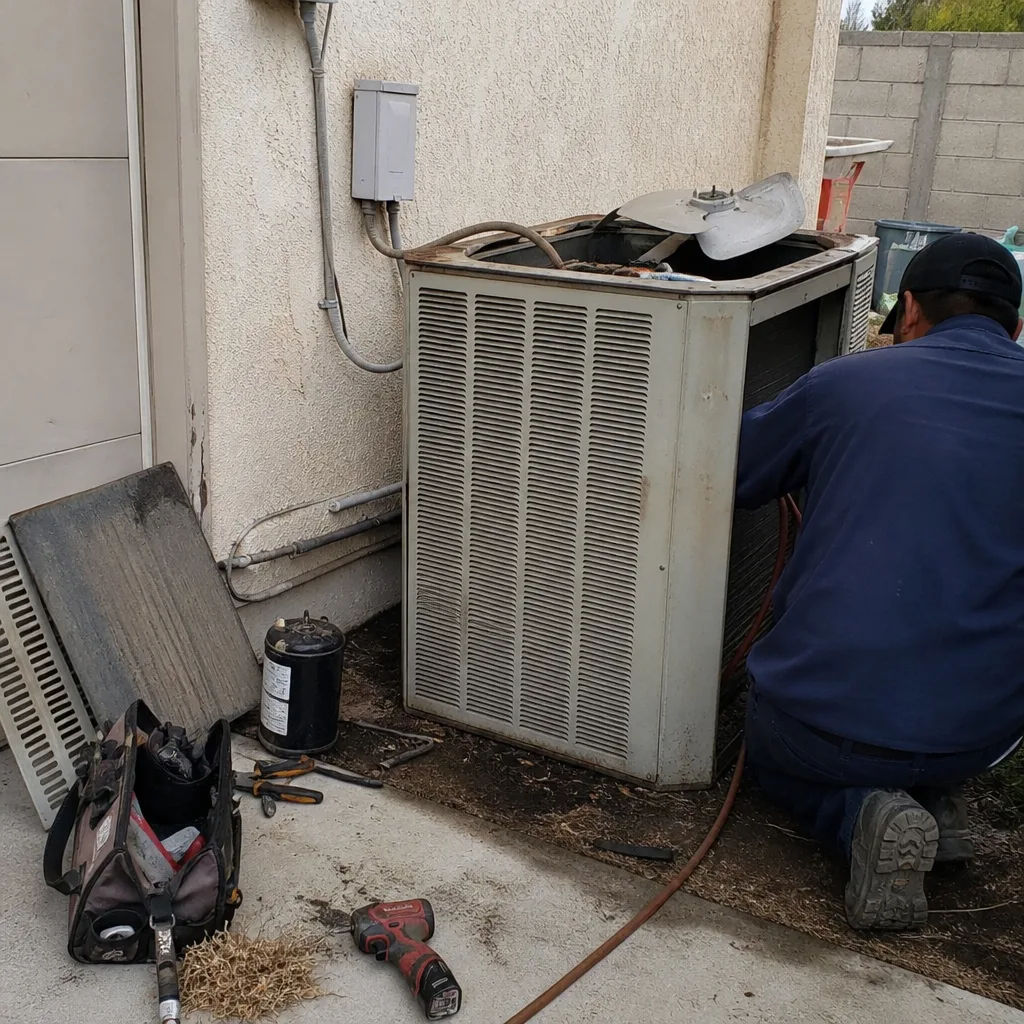 Before
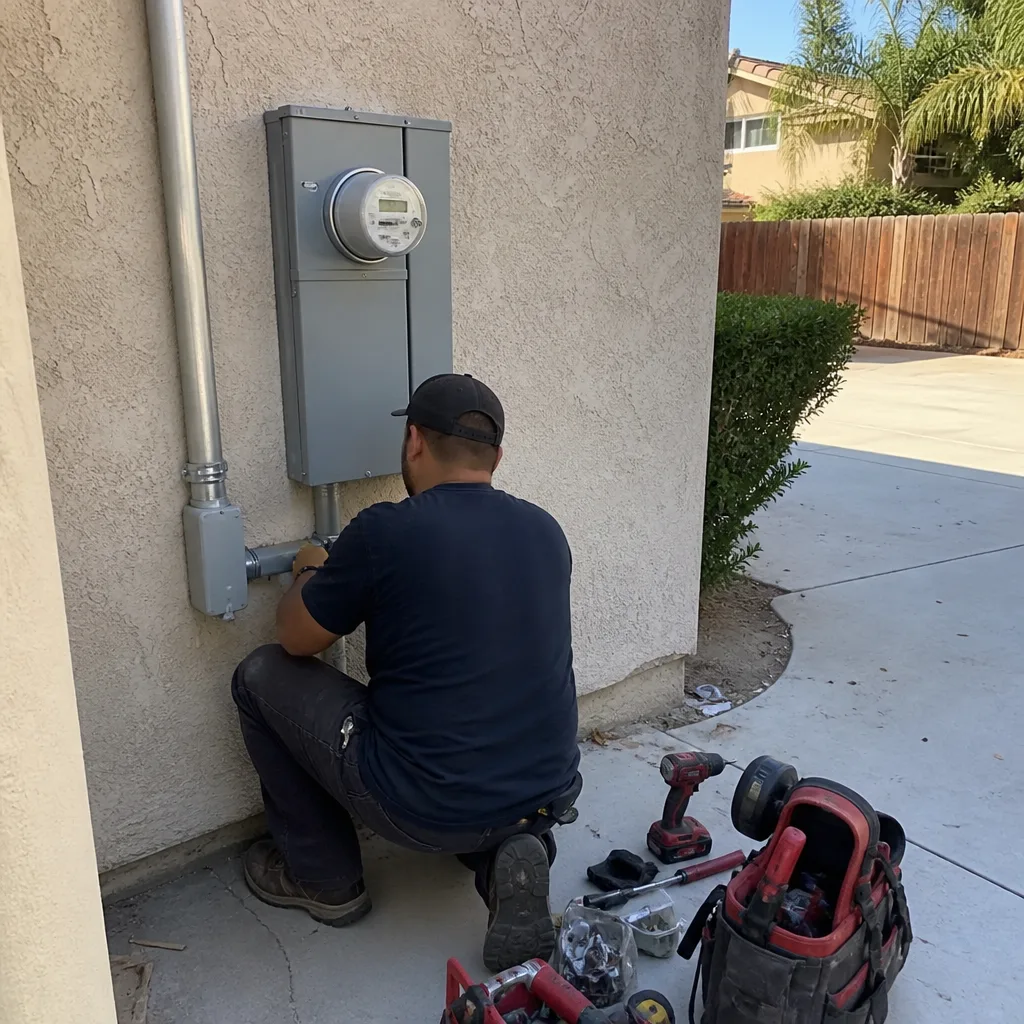 After
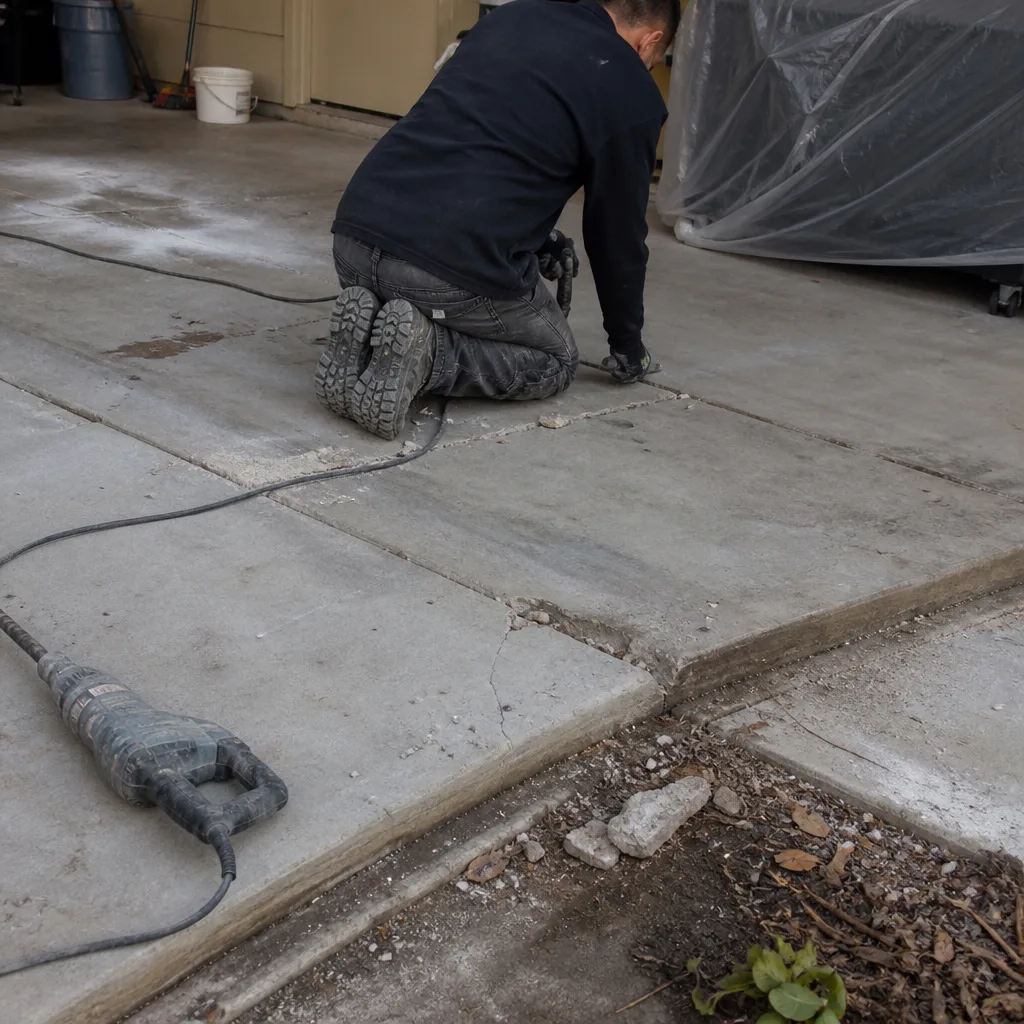 Before
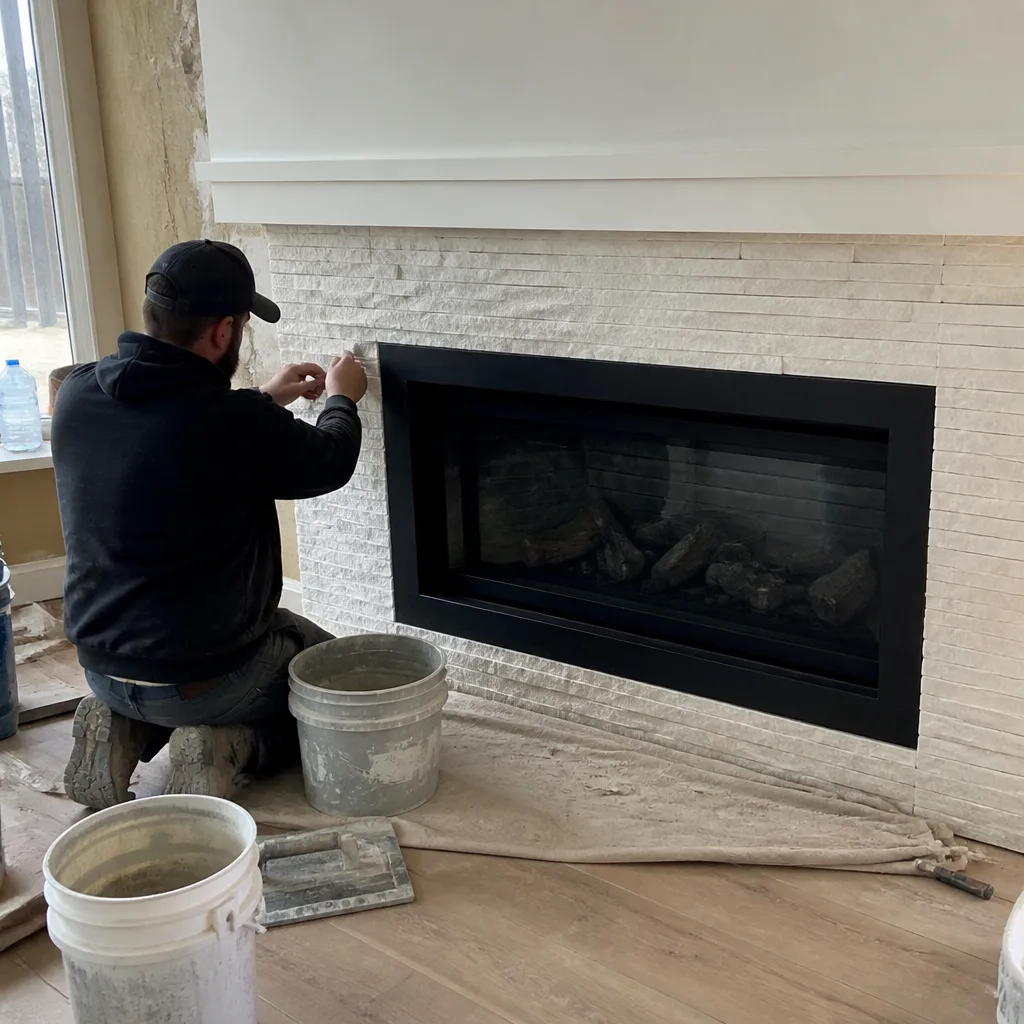 After
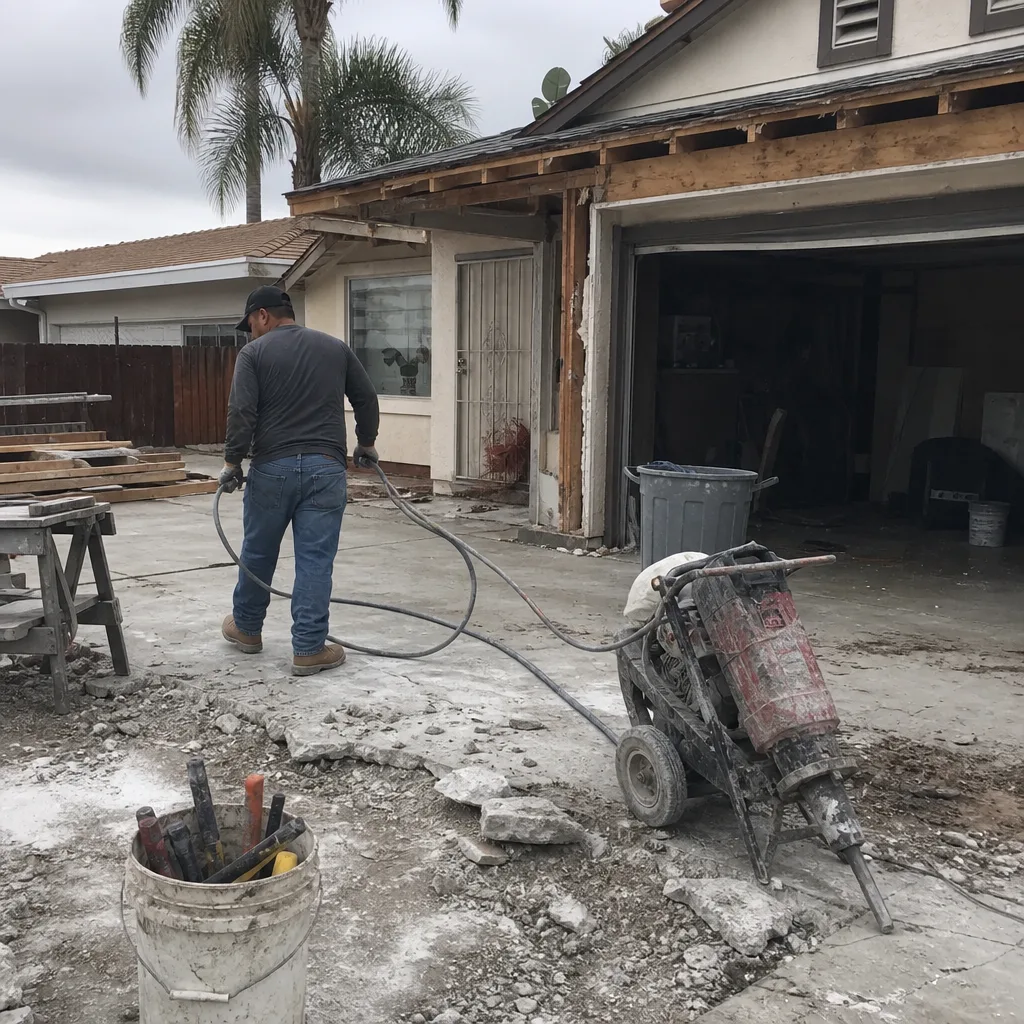 Before
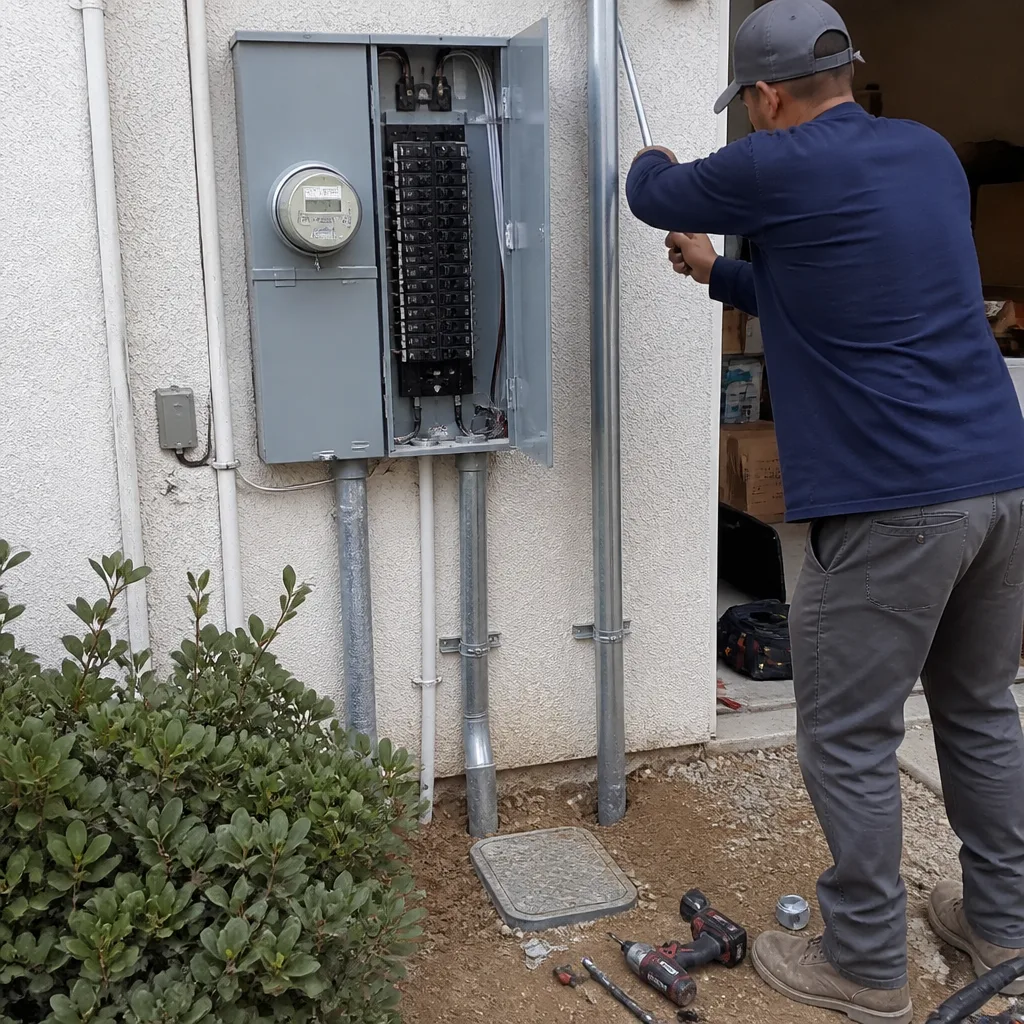 After