Last updated October 30, 2026
 Kitchen remodeling
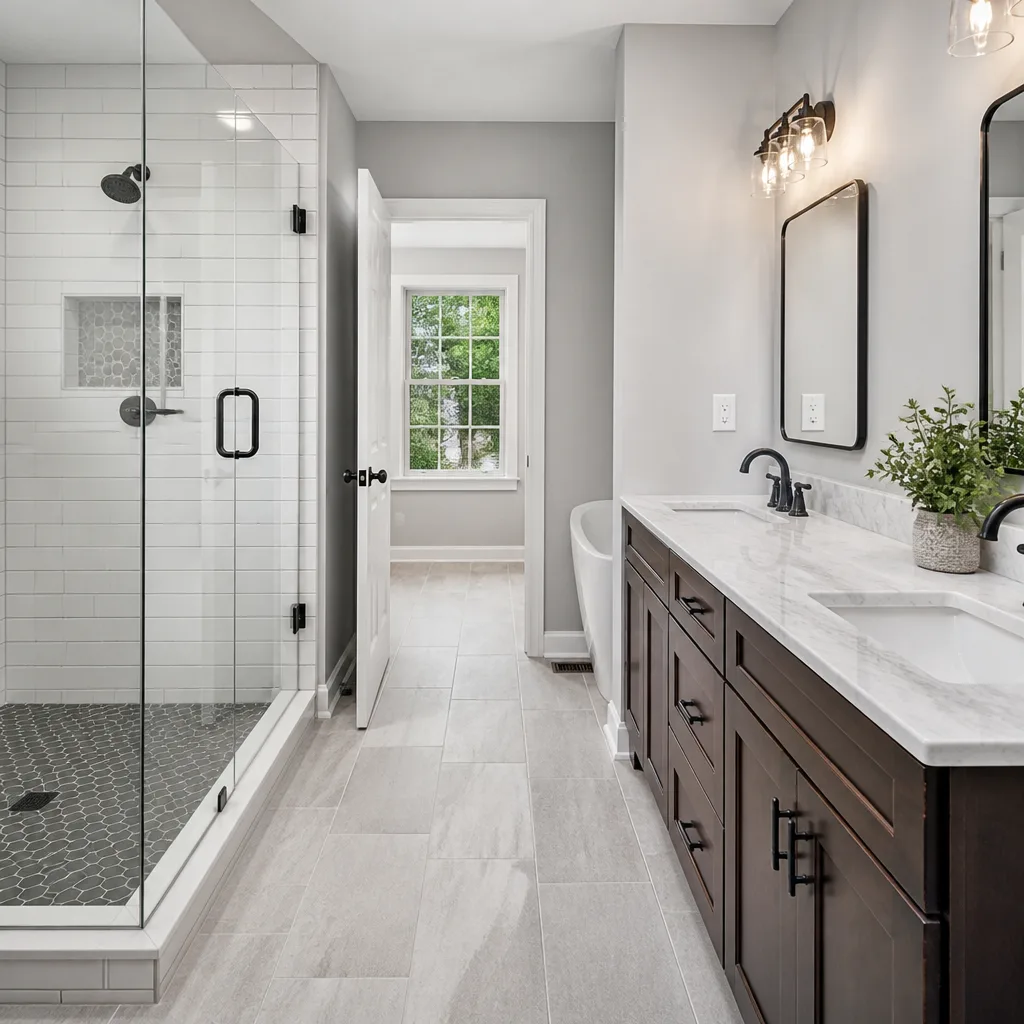 Bathroom remodeling
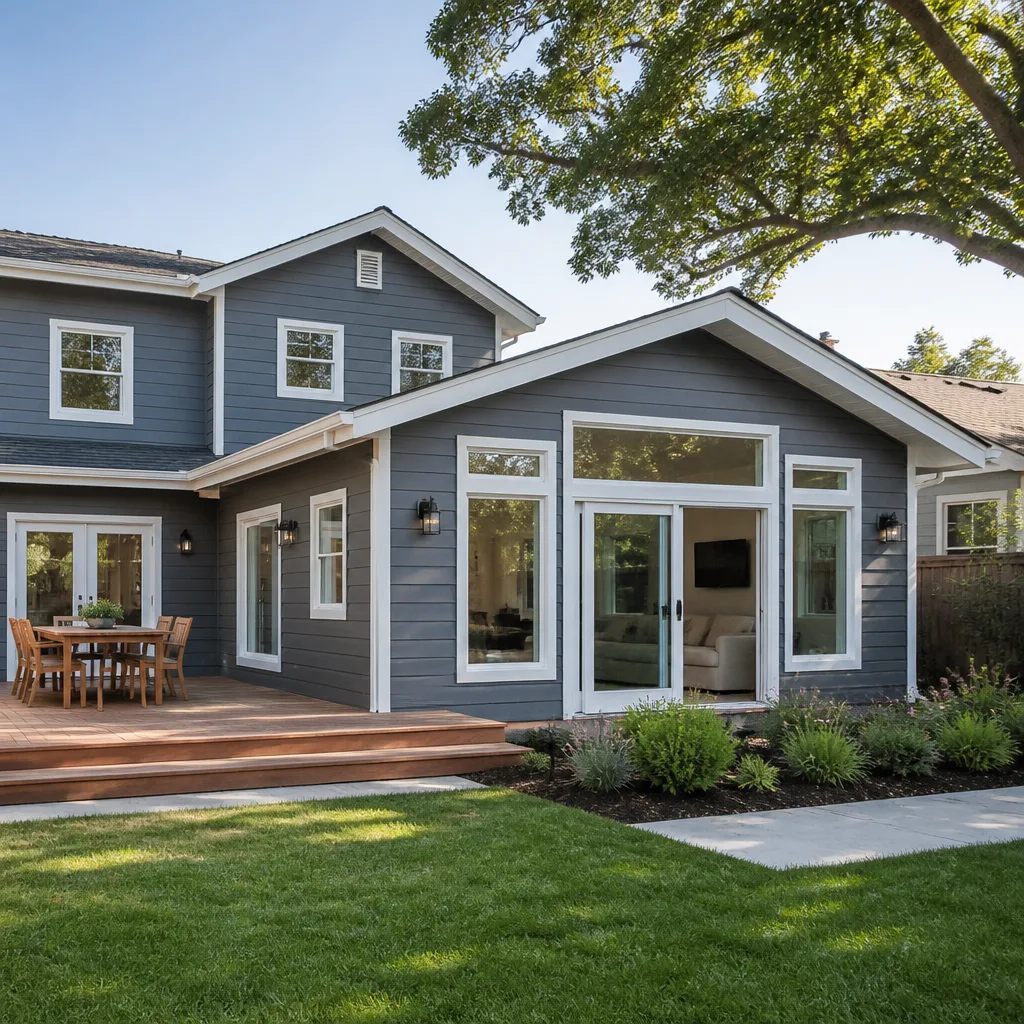 Home additions & ADU
 Roofing
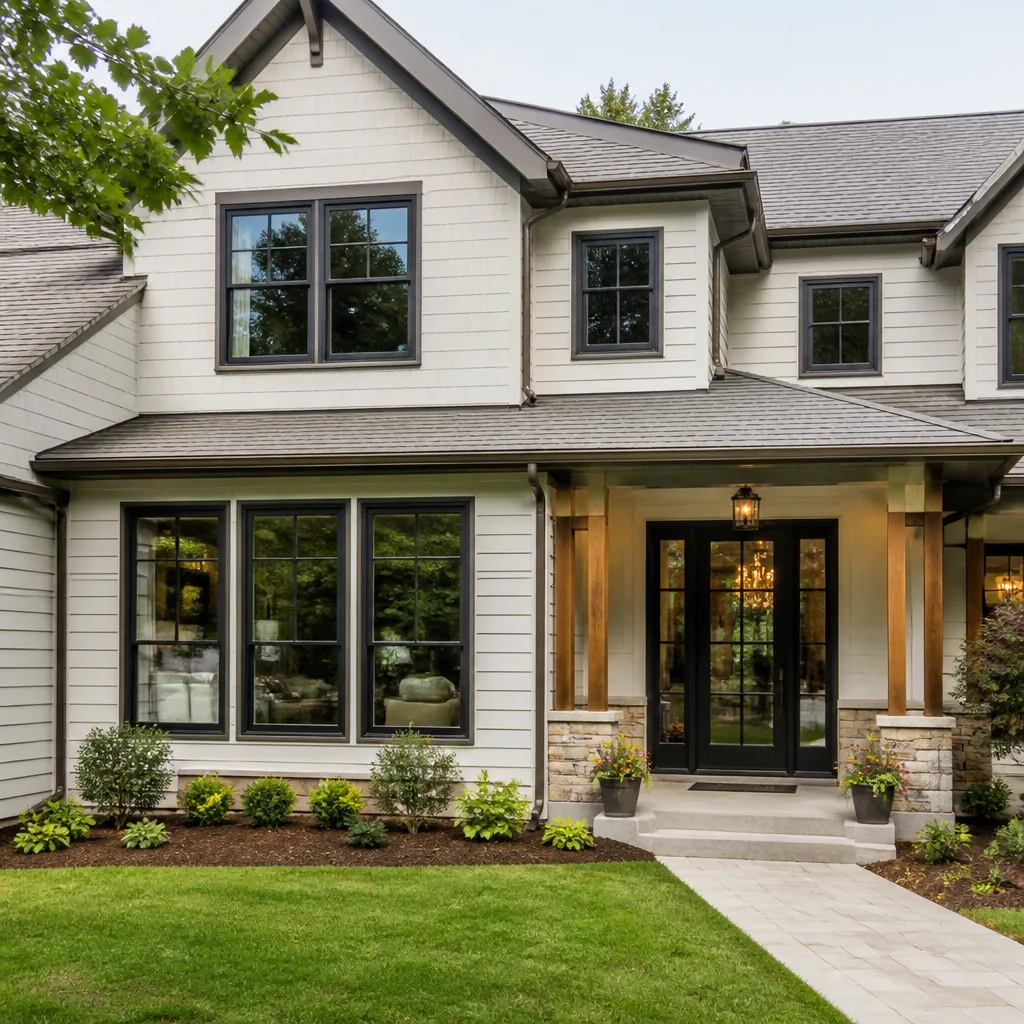 Windows & doors
 Driveway & pavers
 Fence
Free written scope consultation - allowances, timeline, and change-order rules on paper before a single trade is scheduled
Construction Permits, Codes & Inspections in CA: What You Need to Know
California adopted its newest building code cycle in 2023, but Moreno Valley, like most Inland Empire cities, amended several provisions locally before enforcement began. The result is a quiet mismatch: a general California code reference tells you one thing, while the inspector standing in your Moreno Valley living room enforces something slightly different. This guide explains California’s permit system as it actually functions on the ground in Riverside County, not as the theory describes it, and points you to more guides & resources for related topics. You’ll learn which document actually governs residential work, how long plan review realistically takes in Moreno Valley, which unpermitted projects cause the most trouble at resale, and how the inspection sequence plays out from foundation to final.
Styles & brands we work with
Quick Answer
In California, most structural, electrical, plumbing, and mechanical work requires a permit issued by your local building department, in this case the City of Moreno Valley Building and Safety Division. Residential projects are governed by the California Residential Code (CRC), amended by local ordinances, not the general California Building Code (CBC) that many online summaries cite. Permit processing in Moreno Valley ranges from same-day over-the-counter approval for simple work to several weeks in plan check for additions and ADUs.
Table of Contents
- The Three-Layer Code Hierarchy: CBC, CRC, and Moreno Valley Amendments
- When a Permit Is Required in Moreno Valley: The Projects Homeowners Skip
- How Long Permits Actually Take in Moreno Valley
- The Inspection Sequence for Additions and ADUs
- Unpermitted Work: What It Costs at Resale and After Discovery
- California Permit Fee Math: What You’re Really Paying
- Why Your Contractor’s Permitting Habits Matter More Than the Permit Fee
- Common Mistakes to Avoid
- When to Call a Professional
- Frequently Asked Questions
- The Bottom Line
The Three-Layer Code Hierarchy: CBC, CRC, and Moreno Valley Amendments
California operates a three-tier code system, and knowing which tier applies to your project prevents the most common permitting confusion we encounter. The California Building Code (CBC) is the statewide baseline, adapted from international model codes and covering all building types. The California Residential Code (CRC) is a separate, more focused document that applies specifically to one- and two-family dwellings and townhouses three stories or less. For a single-family home project in Moreno Valley, the CRC is the document that matters most, not the CBC. Yet a surprising number of online guides and even some contractors cite CBC provisions because they’re easier to find. That’s the first mismatch.
The second mismatch is local. Moreno Valley adopts the CRC with amendments through its municipal code. These amendments can be as minor as a modified fee schedule or as substantive as stricter energy compliance verification due to Riverside County’s climate zone requirements, which fall under Title 24 energy standards. The city’s Building and Safety Division publishes its own handouts and checklist documents, and those are the documents an inspector will reference during field checks. If your contractor is working from a statewide reference rather than the city’s published local code, expect correction notices.
What this means practically: before any project starts, verify that the plans and the contractor both reference the CRC as amended by Moreno Valley, not a generic California code summary. For most homeowners, the simplest path is working with a contractor who pulls permits in Moreno Valley regularly and knows which local amendments affect typical residential work. As a full-scope general contractor in Moreno Valley, our team treats the city’s published local amendments as the actual rulebook, because on inspection day, it is.
When a Permit Is Required in Moreno Valley: The Projects Homeowners Skip
The state’s basic rule is that any work involving structural changes, electrical systems, plumbing, or mechanical equipment requires a permit. The city of Moreno Valley enforces this rule actively, and certain projects stand out as the ones homeowners most frequently attempt without permits. Those same projects are precisely the ones that surface during a future home sale and derail escrow.
The four most common unpermitted projects we see in Moreno Valley are:
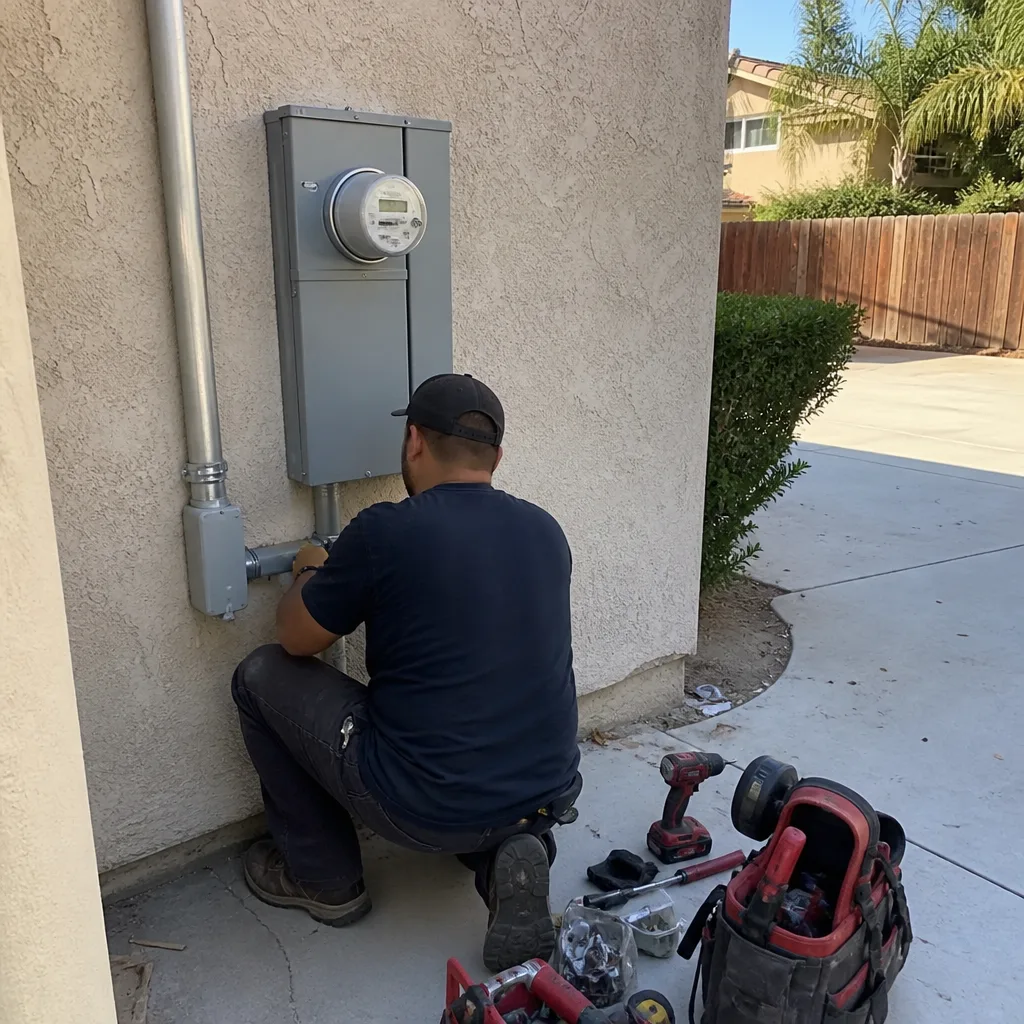
- Electrical panel upgrades. Replacing a 100-amp panel with a 200-amp panel requires a permit and an inspection. It’s electrical work at the service entrance, which sits at the top of the risk ladder. Unpermitted panels are a red flag during home inspections because the utility and the city both have records that don’t match.
- Water heater replacements. California plumbing code requires a permit for water heater swaps. The permit fee is modest, often under $100, but the work involves gas, venting, and seismic strapping requirements that inspectors verify. We regularly see water heaters installed with incorrect venting that an inspection would have caught.
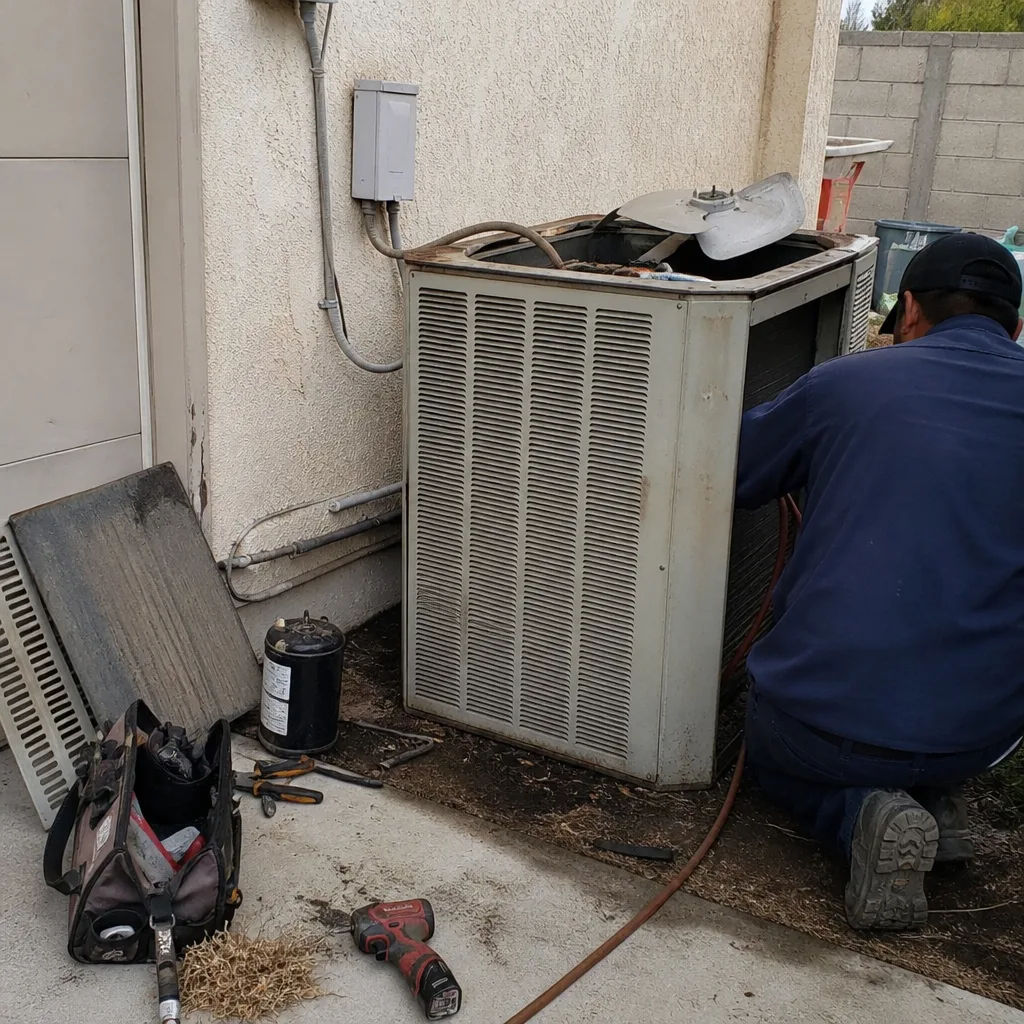
- HVAC changeouts. Replacing a furnace or air conditioner is mechanical work that requires a permit in Moreno Valley. The inspection confirms proper sizing, refrigerant line installation, and electrical connections. Unpermitted HVAC work creates problems at resale because California’s energy disclosure rules ask specifically about permitted system upgrades.
- Window replacements. This one surprises people. Swapping a window in the same opening for the same size may not require a permit, but changing the opening size or adding a window where none existed is structural work requiring a permit. In practice, any window project where the frame is modified triggers the permit requirement.
The pattern here is telling: these are all projects that an experienced homeowner or a handyman can physically complete in a day. That’s exactly why they get skipped. But the permitting requirement doesn’t scale with the difficulty of the work, it scales with the risk the work touches. Electrical panels, gas-fired water heaters, and structural window openings carry elevated risk, and California’s code enforcement reflects that.
How Long Permits Actually Take in Moreno Valley
Permit processing timeframes in Moreno Valley fall into two distinct buckets, and understanding which bucket your project lands in sets your expectations early.
Over-the-counter permits. The city processes many simple residential permits at the counter without a plan check queue. This includes water heater replacements, HVAC changeouts, electrical service panel upgrades, re-roofs where the structural sheathing isn’t being changed, and simple plumbing fixture swaps. These permits are often issued the same day, sometimes within hours, depending on counter volume. If your contractor tells you a simple permit will take three weeks in Moreno Valley, that’s a sign they either don’t know the local process or they’re padding a schedule.
Plan check permits. Room additions, ADUs, garage conversions, and any project with structural drawings enters the plan check queue. In our experience managing permits through Moreno Valley’s Building and Safety Division, a straightforward room addition typically spends two to four weeks in plan check, assuming the plans are clean and no resubmittals are needed. ADUs can run longer, especially with the surge of ADU applications Riverside County has seen since California streamlined state ADU rules. Corrections add time incrementally; a plan with five pages of redlines might add another two to three weeks per resubmittal cycle.
The city publishes estimated processing times, but the reality fluctuates with staffing and application volume. The most reliable way to compress the timeline is to submit plans that pass the first review. That requires a designer or contractor who knows exactly what Moreno Valley reviewers look for: energy compliance documentation under Title 24, structural calculations for openings and foundations, site plan setbacks matching the existing lot, and consistency between architectural and structural sheets. Our permitting process for home remodeling in Moreno Valley projects is built around first-pass plan submittals, because every correction cycle is a week or more that the project stands still.
The Inspection Sequence for Additions and ADUs
For a typical room addition or ADU in Moreno Valley, the inspection sequence follows a defined order, and each stage builds on the one before. Understanding this sequence—covered in our General Contractor Maintenance Checklist for Moreno Valley Homeowners—helps you read progress on your own project and stops surprises when the inspector schedules arrive.
- Foundation inspection. Before concrete is poured, the inspector verifies the formwork, rebar placement, and depth of the footing or slab. Common failure: rebar spacing that doesn’t match the approved plan, or missing hold-down bolts where shear wall anchor points are specified. In Moreno Valley’s soil conditions, proper compaction and reinforcement matter, and inspectors check it closely.
- Framing inspection. After walls and roof structure are up but before insulation or drywall cover anything, the inspector checks stud spacing, header sizes over openings, shear panel nailing patterns, and roof framing connections. Common failure: missing or undersized hold-downs at shear wall ends, and header packages that don’t match the structural sheet.
- Rough MEP inspection. This stage combines rough electrical, rough plumbing, and rough mechanical. The inspector verifies wire gauge and circuit routing, drain and vent slope and sizing, and duct installation. Common failure: electrical boxes not secured at the proper depth for the planned drywall, and plumbing vents that were rerouted in the field without a plan revision.
- Insulation inspection. Before drywall goes up, the inspector confirms installed insulation R-values match the Title 24 energy compliance documentation. Common failure: under-insulated areas around rim joists or behind tub units, where installers cut corners.
- Drywall inspection. Some cities fold this into insulation, but Moreno Valley inspectors verify fire-rated assemblies for attached structures and garage walls. Common failure: missing fire-resistive tape or screws at the wrong spacing on fire-rated walls.
- Final inspection. The last pass covers occupancy safety: smoke and CO detector placement, GFCI protection in wet areas, stair and handrail dimensions, and door egress widths. Common failure: missing CO detectors in sleeping areas, or a water heater installation that doesn’t match the code that the inspector flagged in a prior cycle.
The inspection process is where the difference between a permitted project and an unpermitted one becomes concrete. An inspected project carries a paper trail showing each stage passed. An uninspected project carries none of that, and that absence is exactly what surfaces later.
Unpermitted Work: What It Costs at Resale and After Discovery
The most expensive permit is the one you never pulled. In our experience working with Moreno Valley homeowners, unpermitted work typically surfaces in one of three ways, and none of them are cheap.
At title transfer. When a home sells, the buyer’s lender orders an appraisal and the buyer orders a home inspection. Both parties ask for the permit history. A savvy inspector who spots a newer electrical panel, a water heater with a recent manufacture date, or a window that clearly isn’t original will flag the absence of a permit. The seller then faces a choice: pull a retroactive permit (which requires exposing work that’s already covered, paying fees, and scheduling inspections on a compressed escrow timeline) or offer a credit at closing. Retroactive permits on a water heater or panel might cost $200 to $500 in fees. The closing credit a buyer demands for accepting the work as-is often runs $2,000 to $5,000, because the buyer assumes the risk.
At a subsequent permit application. If you apply for a room addition permit and the city discovers an unpermitted patio cover or window change from years earlier, the new permit gets held until the old work is remediated. That means opening walls, paying double fees, and losing months.
At the worst possible time. An electrical fire or water damage event triggers an insurance claim. Adjusters and inspectors look for cause, and unpermitted work discovered during a claim is a legitimate basis for denial. That unpermitted panel swap saved $150 at the time; the denied claim costs far more.
California has no statute of limitations on unpermitted construction. The work remains unpermitted until it’s permitted, regardless of how many owners ago it was done. The permit fee that was avoided is almost always the smallest number in this equation.
California Permit Fee Math: What You’re Really Paying
Permit fees in Moreno Valley follow a valuation-based formula, meaning the fee scales with the estimated construction cost of the project. A small project like a water heater replacement might be a flat fee in the $50 to $150 range. A room addition with a $150,000 construction valuation might carry a permit fee of $1,500 to $3,000 depending on the specific fee schedule and the number of inspections involved. These numbers are estimates; the city publishes its current fee schedule, and the exact figure comes from the valuation on your submitted plans.
What homeowners often miss is that the permit fee is not just a tax on the project. The permit fee funds the inspection process that verifies the work was done correctly, and that inspection record is a documented asset that travels with the home. You’re buying a third-party record that the foundation passed, the wiring passed, the gas line passed. When a future buyer’s agent asks, “Was this permitted?”, the answer is a folder of inspection records rather than a shrug.
Here’s a pricing reality worth internalizing: on a typical $150,000 addition in Moreno Valley, the permit fee represents roughly one to two percent of the project budget. The cost to remediate unpermitted work after the fact routinely runs five to ten times the original permit fee, before factoring in the stress and the compressed timeline. The math favors pulling the permit the first time, and any contractor who suggests otherwise is trading your long-term liability for their short-term convenience.
Why Your Contractor’s Permitting Habits Matter More Than the Permit Fee
The contractor you select for a home renovation in Moreno Valley determines whether the permit process runs smoothly or becomes the project’s bottleneck. The contractor’s permitting habits show up in three practical ways.
Plan quality. A contractor who pulls permits regularly in Moreno Valley knows what the city’s plan reviewers redline. They know that Riverside County energy compliance documentation needs to be complete at first submittal. They know that structural sheets need to match architectural sheets exactly. This knowledge is the difference between a permit issued in two weeks and a permit stuck in resubmittal cycles for two months.
Inspection readiness. The contractor who understands the inspection sequence schedules work so that each inspection happens when the site is ready. Nothing burns fees and calendar time like a failed inspection that requires a reinspection, and reinspection fees in most California cities run $100 to $200 per occurrence. Contractors who run clean inspection records don’t pay reinspection fees, and those savings stay in your pocket.
Material code compliance. This is where brand selection genuinely matters. A window that meets code requirements today might not meet the stricter energy standards that Riverside County enforces under Title 24. A roofing system needs to match the wind and fire requirements for the zone. We specify products from manufacturers like James Hardie, GAF, CertainTeed, and PGT because their documentation and testing data make code compliance straightforward for the plan reviewer and the inspector. The material choice isn’t just aesthetic; it’s a permitting decision.
Our approach at Moreno Valley Builders home is to treat permitting as a core phase of the project, not an administrative hurdle before the real work starts. The permit application shapes material choices, sequencing, and the inspection calendar. When one contractor manages the whole scope, from initial drawings through the final inspection signature, you don’t get the finger-pointing that happens when a designer submits plans, a separate contractor builds, and nobody owns the permit record.
Common Mistakes to Avoid
- Assuming California code references are sufficient. The CRC as amended by Moreno Valley is the governing document, not the CBC alone. A contractor working from a statewide reference will lose correction cycles. Verify that your plans reference the local amendment package.
- Skipping the permit on “small” projects. The water heater, the panel, the window. These are the most common unpermitted items we see in Moreno Valley resale transactions. The permit fee is a fraction of the remediation cost.
- Submitting plans without Title 24 energy documentation. Riverside County’s climate zone requires specific energy compliance forms at plan check. Missing or incomplete CalCERTS/HERS documentation is one of the fastest ways to get a plan kicked back.
- Hiring a contractor who won’t pull permits in their own name. Some contractors ask the homeowner to pull the permit, which transfers liability to you and signals the contractor may be avoiding the city’s eyes on their work. A licensed general contractor pulls permits under their own license, as we do for every project we run in Moreno Valley.
- Changing scope mid-project without a plan revision. Moving a wall or adding a window after plans are approved creates a mismatch between the approved drawings and the built work. The inspector will catch it, and the correction costs time and money. Document scope changes through the city.
- Treating plan check as a waiting game. Plan check queues move at the city’s pace, but a clean first submittal beats a sloppy one by weeks. The fastest permits in Moreno Valley come from plans that never need a correction cycle.
- Ignoring inspection correction notices. When an inspector leaves a correction notice, the clock is running. Unaddressed corrections can invalidate a permit or stall the project indefinitely. Address every item on the correction list before scheduling the next inspection.
When to Call a Professional
Some situations in Moreno Valley call for a professional from the start. If you’re planning a room addition, an ADU, or any project with structural drawings, the plan check process demands drawings that meet city standards, and a licensed contractor who submits plans weekly knows how to prepare them. If you’ve discovered unpermitted work during a purchase or while preparing to sell, a contractor who works with the city’s remediation process can guide the retroactive permit cleanly. If you’re tired of coordinating a designer, a plan service, and separate trades, a single full-scope contractor removes the coordination burden. Moreno Valley Builders offers free estimates in Moreno Valley; call (877) 752-3154 to talk through your project and the permitting path it requires.
Frequently Asked Questions
Permit fees in Moreno Valley are valuation-based, meaning the fee scales with the estimated construction cost of the project. Simple permits like water heater replacements typically run $50 to $150, while a room addition permit often lands in the $1,500 to $3,000 range depending on project valuation. The exact figure comes from the valuation on your submitted plans and the city’s current fee schedule. Call (877) 752-3154 and we can give you a realistic estimate for your specific project scope.
Replacing a window in the same opening for the same size generally does not require a permit in Moreno Valley. Changing the opening size, adding a window where none existed, or modifying the framing around the window does require a permit as structural work. When in doubt, the city’s Building and Safety Division can confirm, or your contractor can check the specifics; see our Construction Warning Signs: A Moreno Valley Homeowner’s Reference Guide for red flags to watch for.
Straightforward over-the-counter permits are often issued the same day. Plan check permits for room additions and ADUs typically spend two to four weeks in the queue, assuming a clean first submittal, and corrections add two to three weeks per resubmittal cycle. A well-prepared plan set is the single biggest lever for a faster timeline.
Unpermitted work surfaces during the buyer’s inspection or the title company’s permit history review, and the seller is typically forced to either remediate the work with a retroactive permit or offer a closing credit. Retroactive permits are relatively inexpensive; closing credits routinely run into the thousands because the buyer absorbs the risk. Unpermitted work is best handled before listing, when timelines are yours to control.
California allows a homeowner to pull a permit for work on their own primary residence, provided they are doing the work themselves. The catch is that the homeowner assumes full liability for code compliance and inspection corrections. For anything beyond simple repairs, a licensed contractor pulling the permit under their own license is the safer path, because the contractor’s insurance and the inspection record both sit squarely with the responsible party.
The California Residential Code (CRC), as amended by the City of Moreno Valley’s local ordinances, governs single-family residential work. The California Building Code (CBC) applies to larger or commercial structures. Most online references cite the CBC, which is why some contractors arrive with the wrong rulebook. The city’s published local amendments and checklists are the documents that inspectors enforce.
The Bottom Line
California’s building code framework is statewide, but the document that actually governs your Moreno Valley project is local, amended, and enforced by inspectors who’ve seen every shortcut. Permits cost one to two percent of a typical project budget, while remediation of unpermitted work routinely costs five to ten times the original fee. The contractor you choose determines whether permits move through plan check in weeks or months, and whether inspections pass on the first visit or the third. One contractor managing the full scope, from permits to punch list, is the variable that keeps a project moving. If you’re planning work in Moreno Valley, call (877) 752-3154 for a free estimate, and let’s get your permit filed the right way from day one.
Written by the team at Moreno Valley Builders, serving Moreno Valley since 2017.
See the difference
 Before
 After
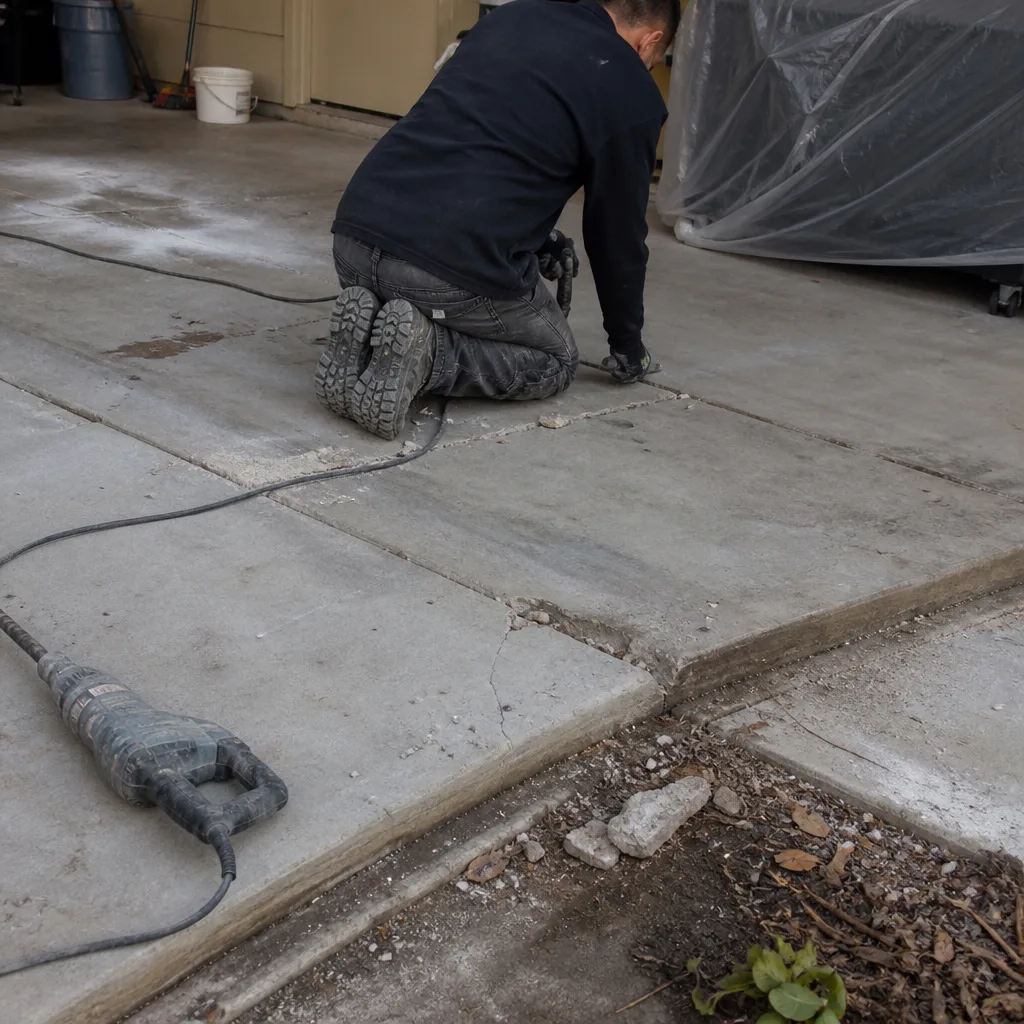 Before
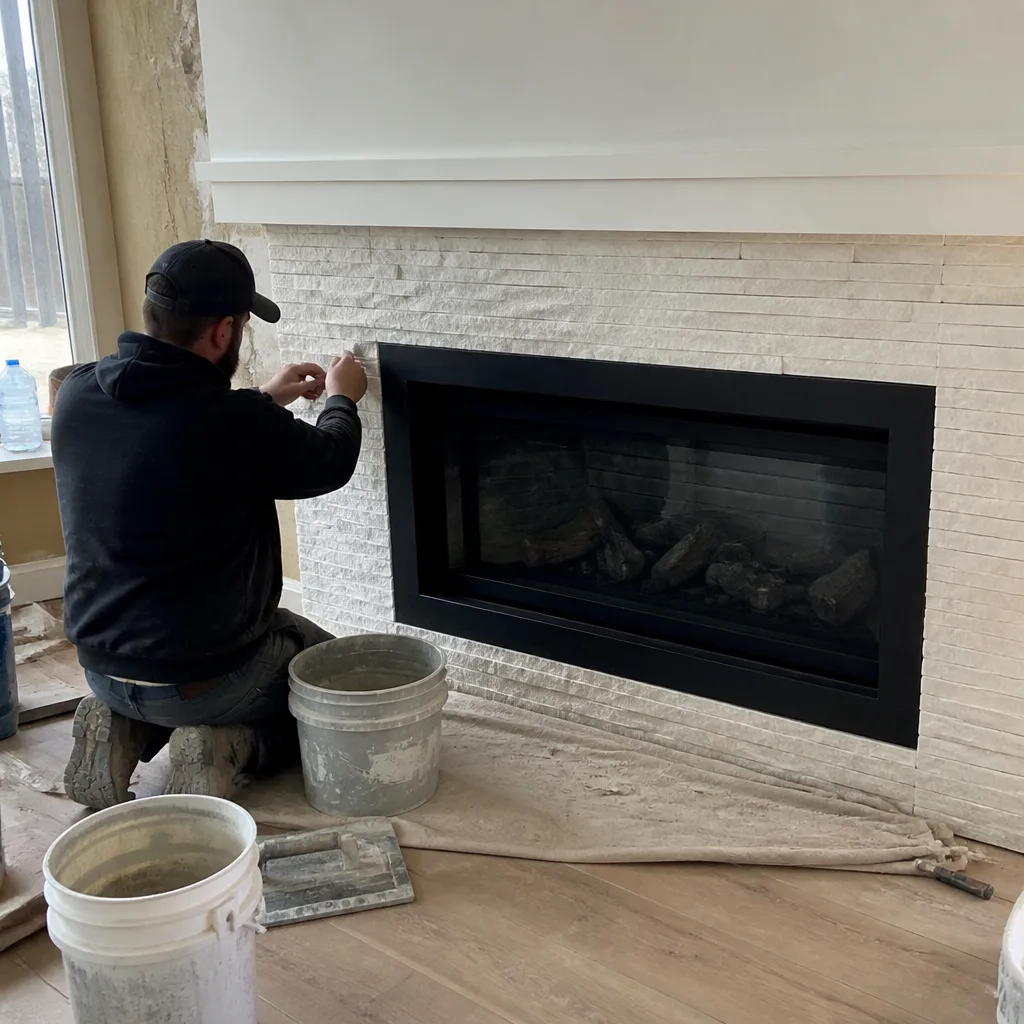 After
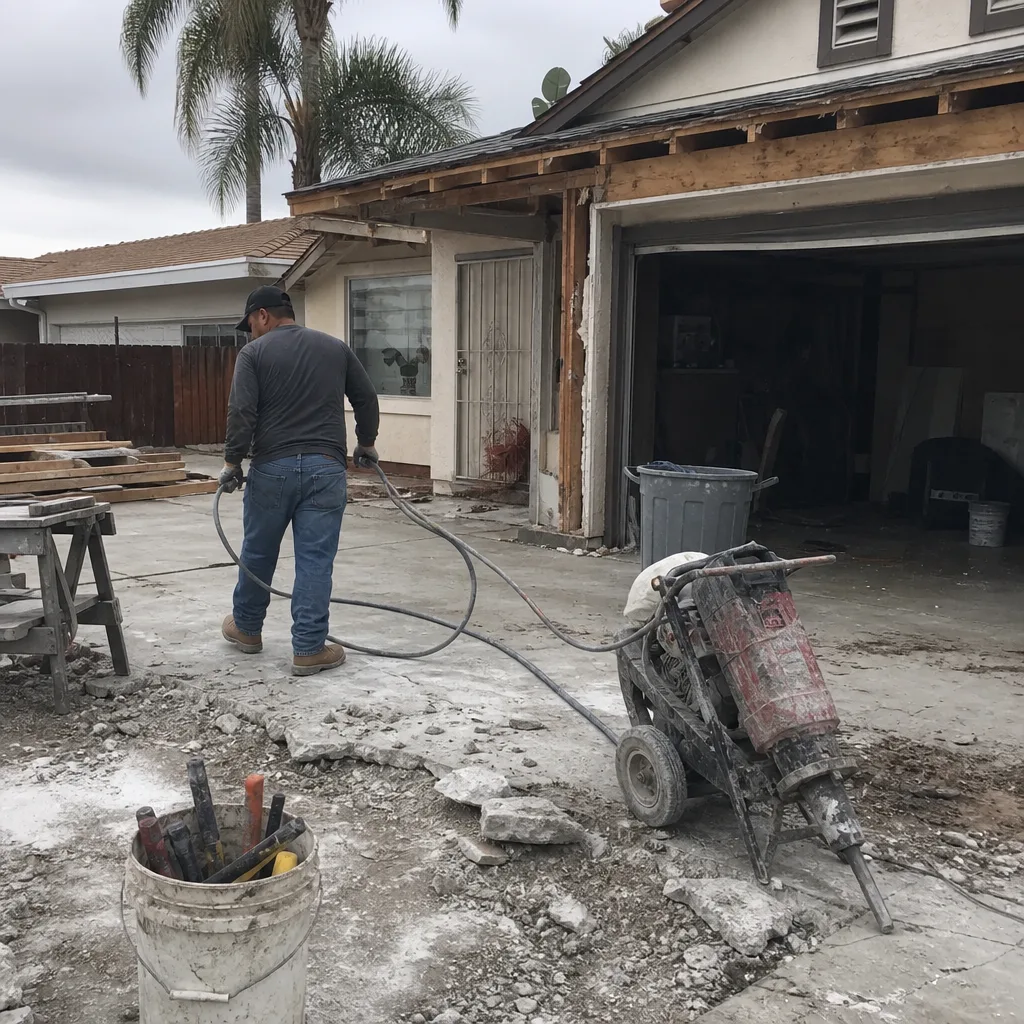 Before
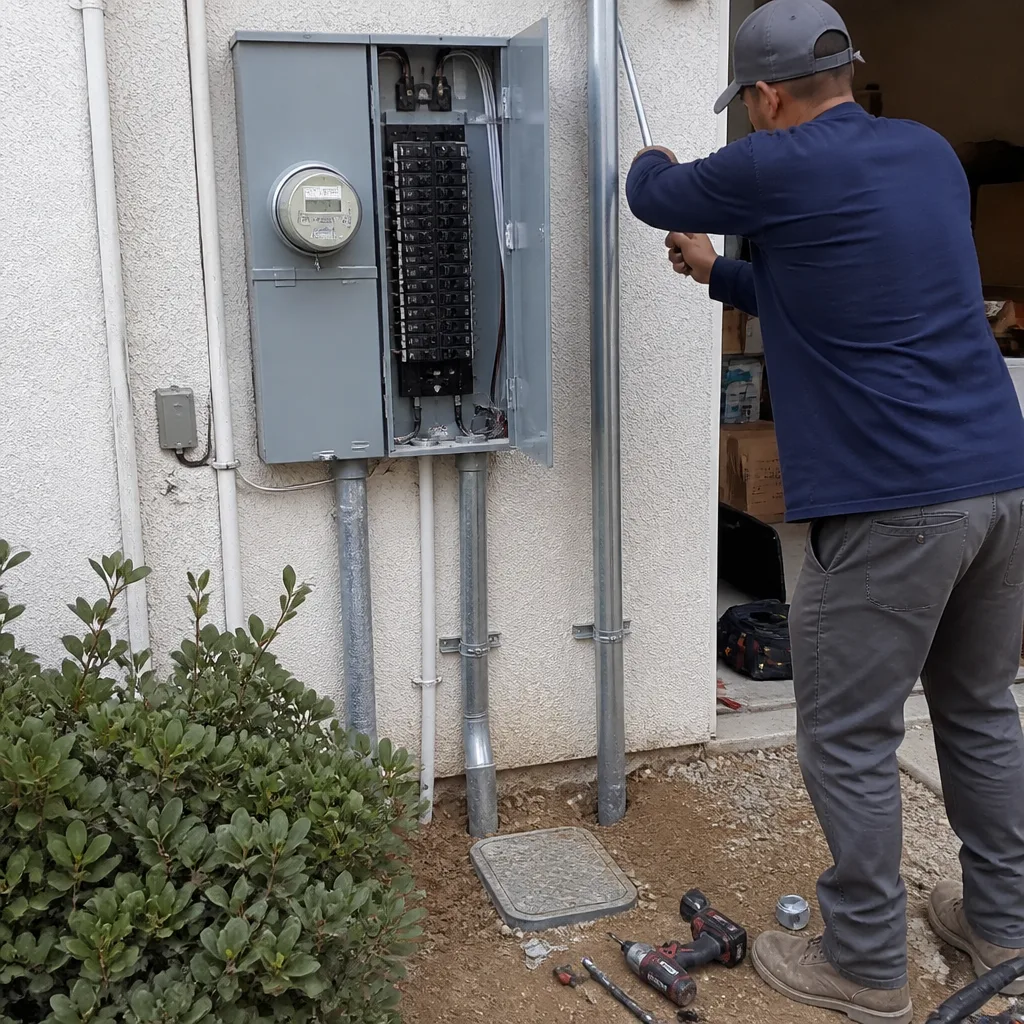 After