Last updated October 30, 2026
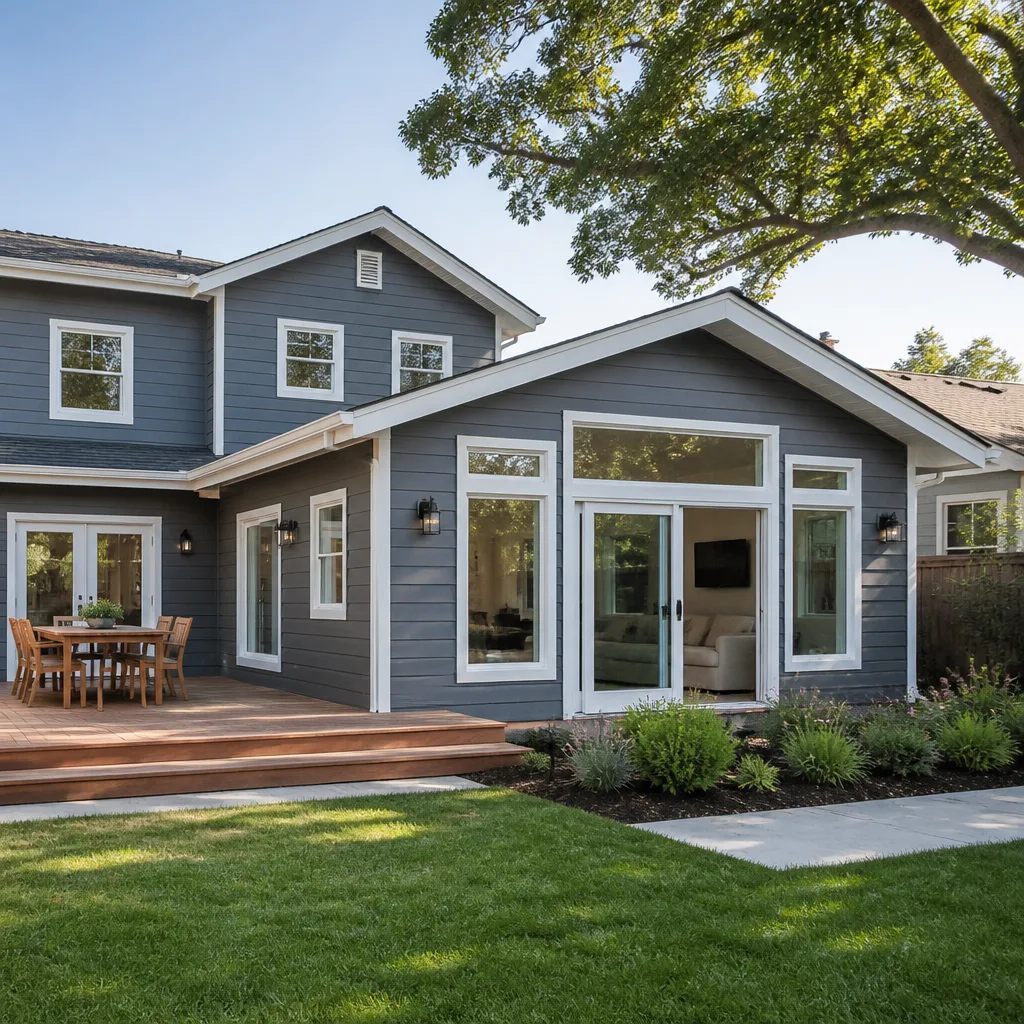 Home additions & ADU
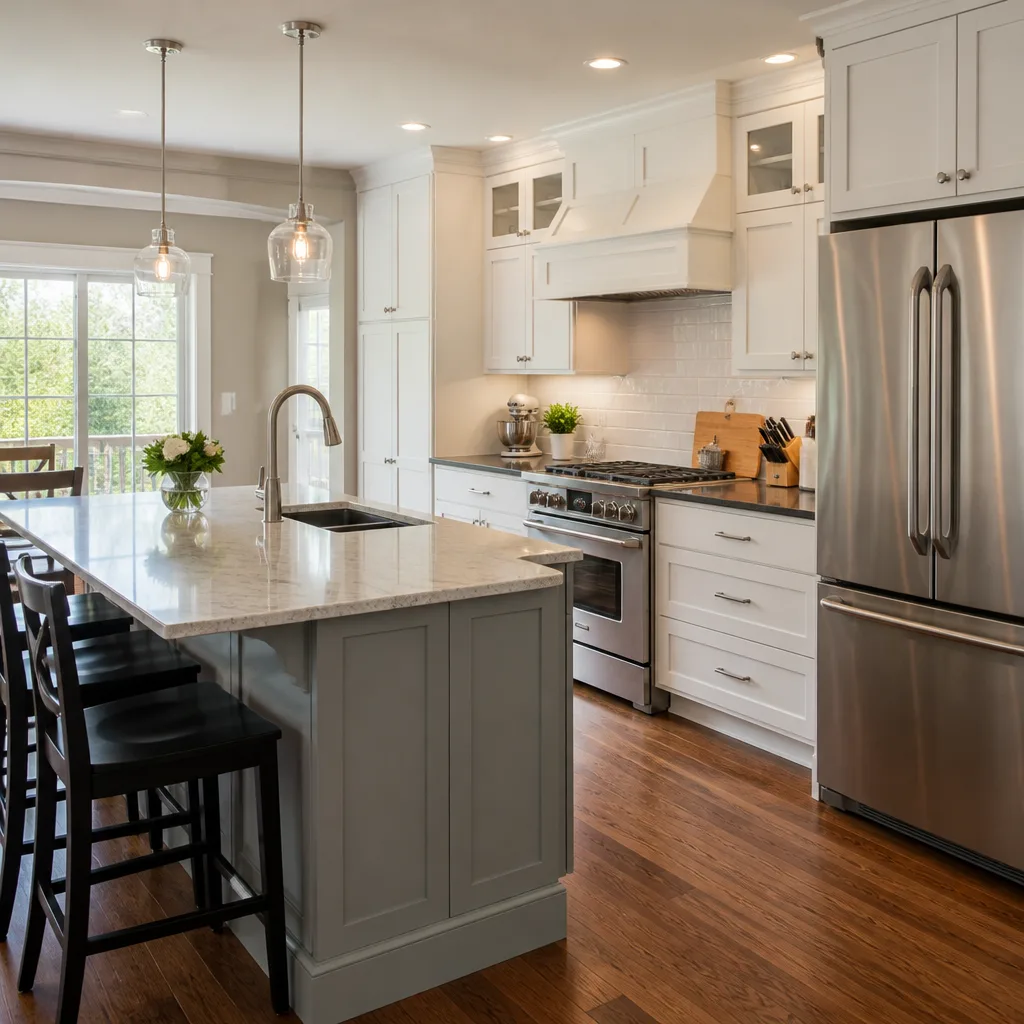 Kitchen remodeling
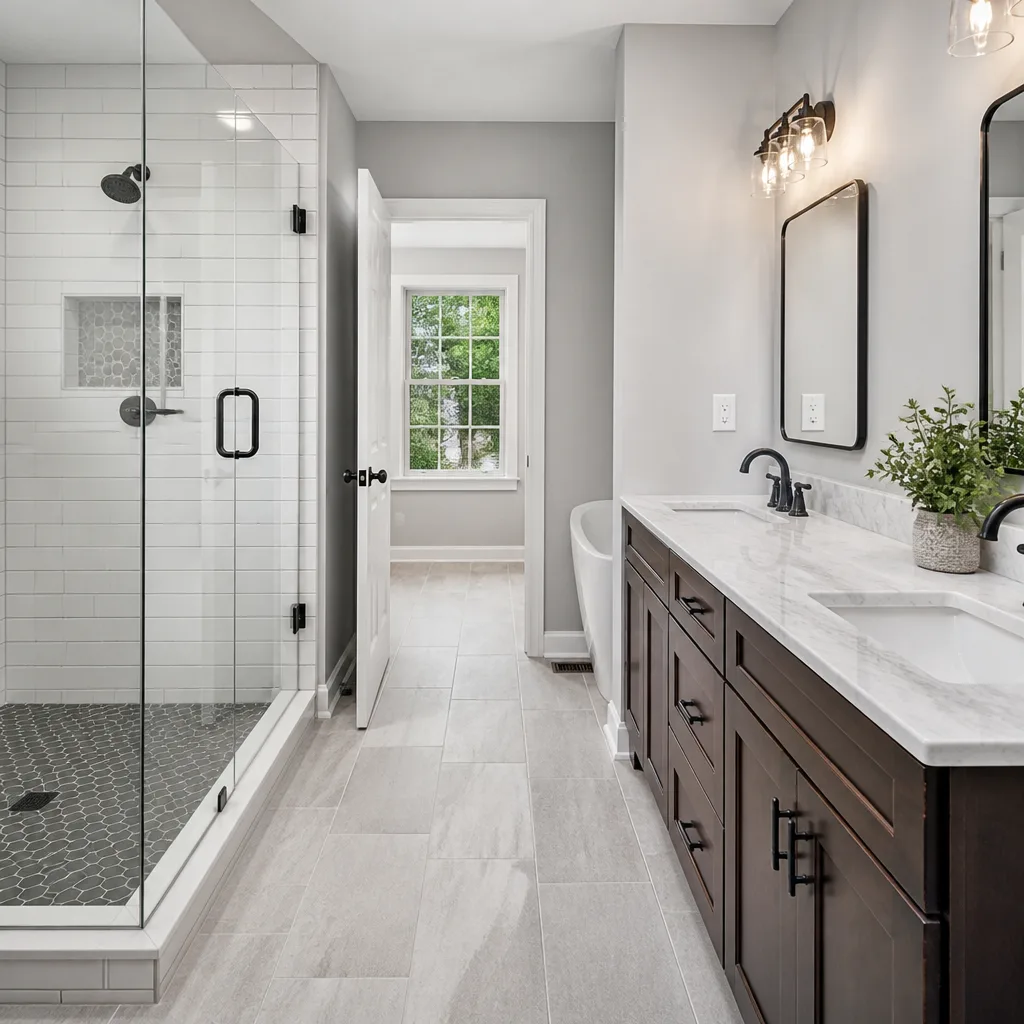 Bathroom remodeling
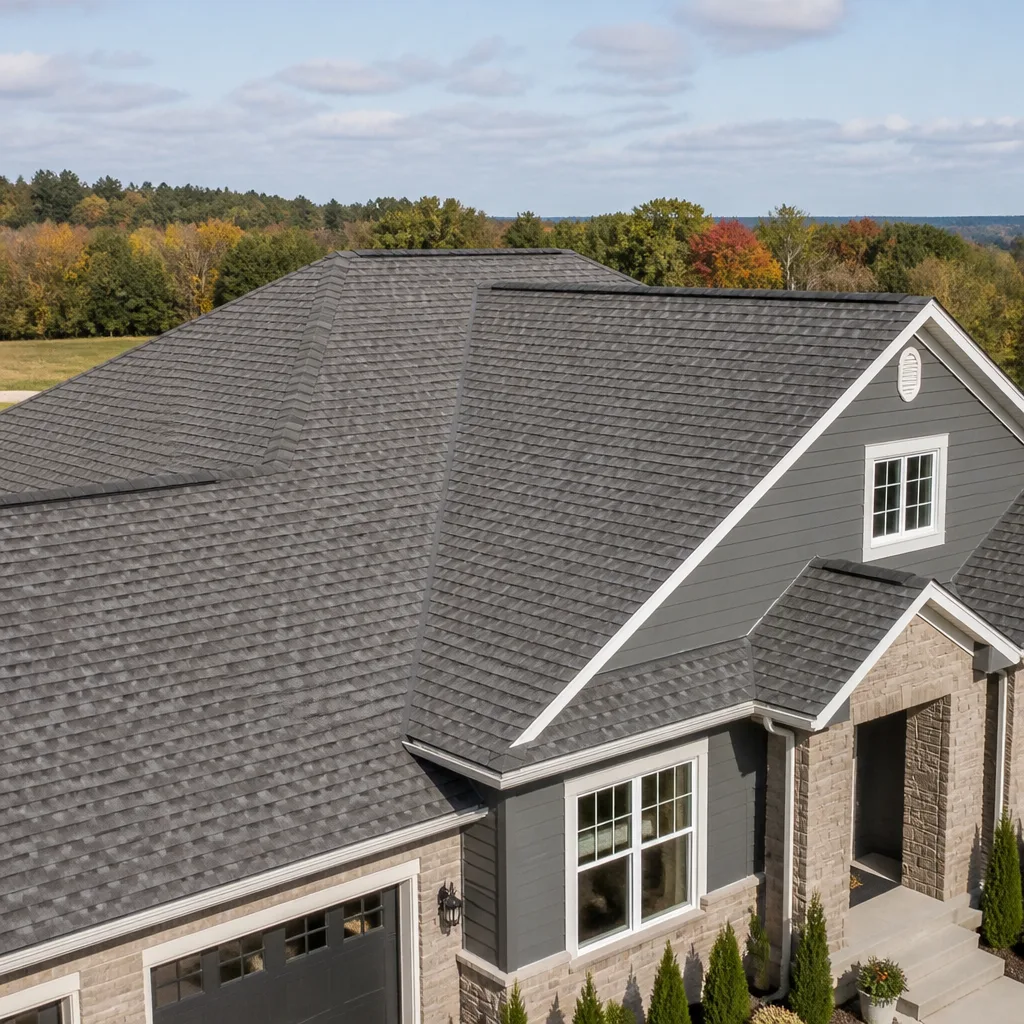 Roofing
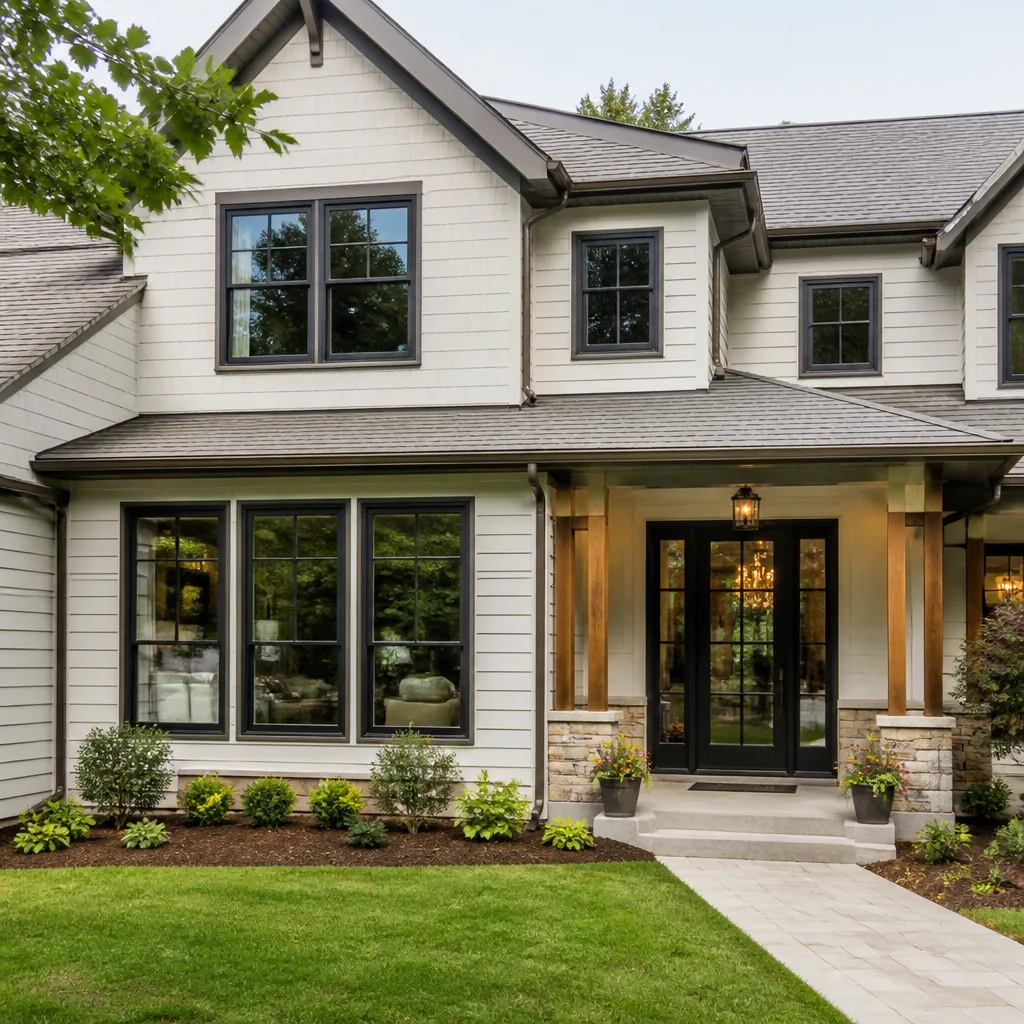 Windows & doors
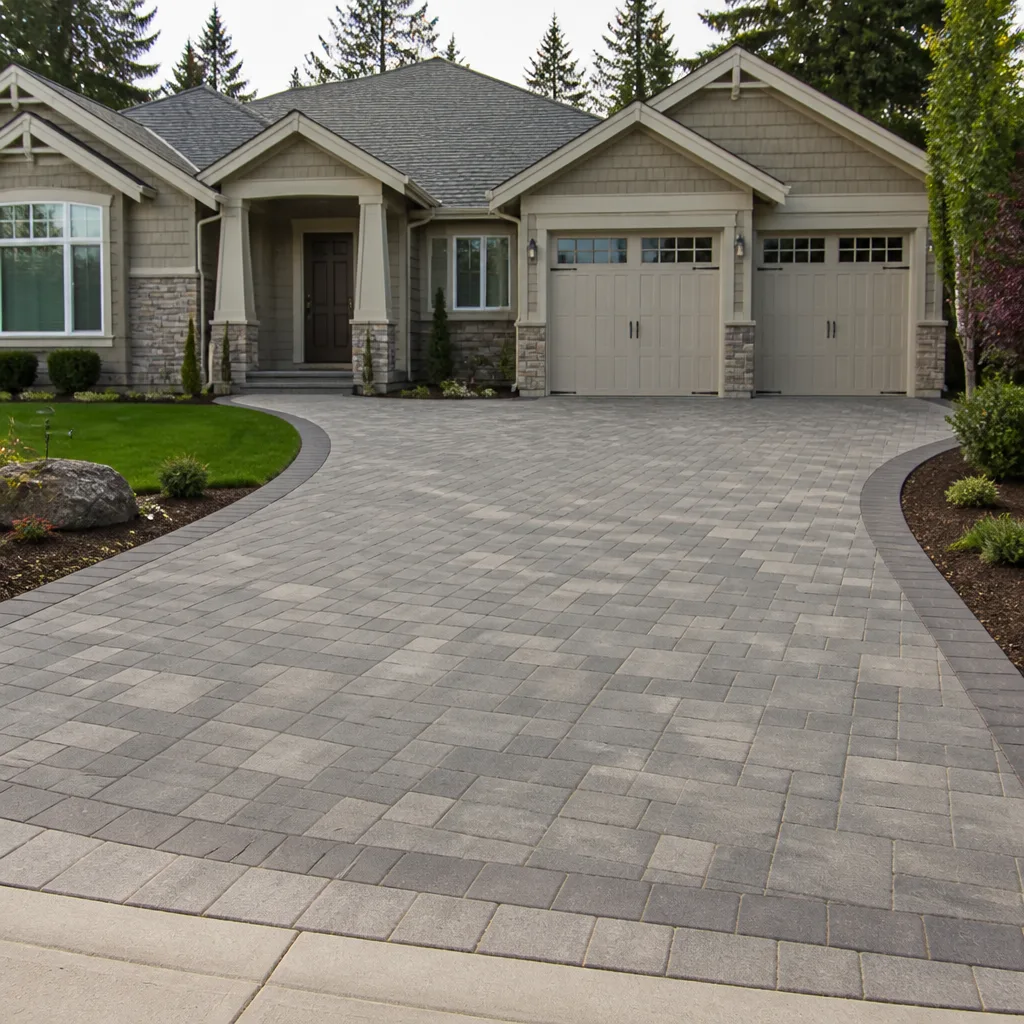 Driveway & pavers
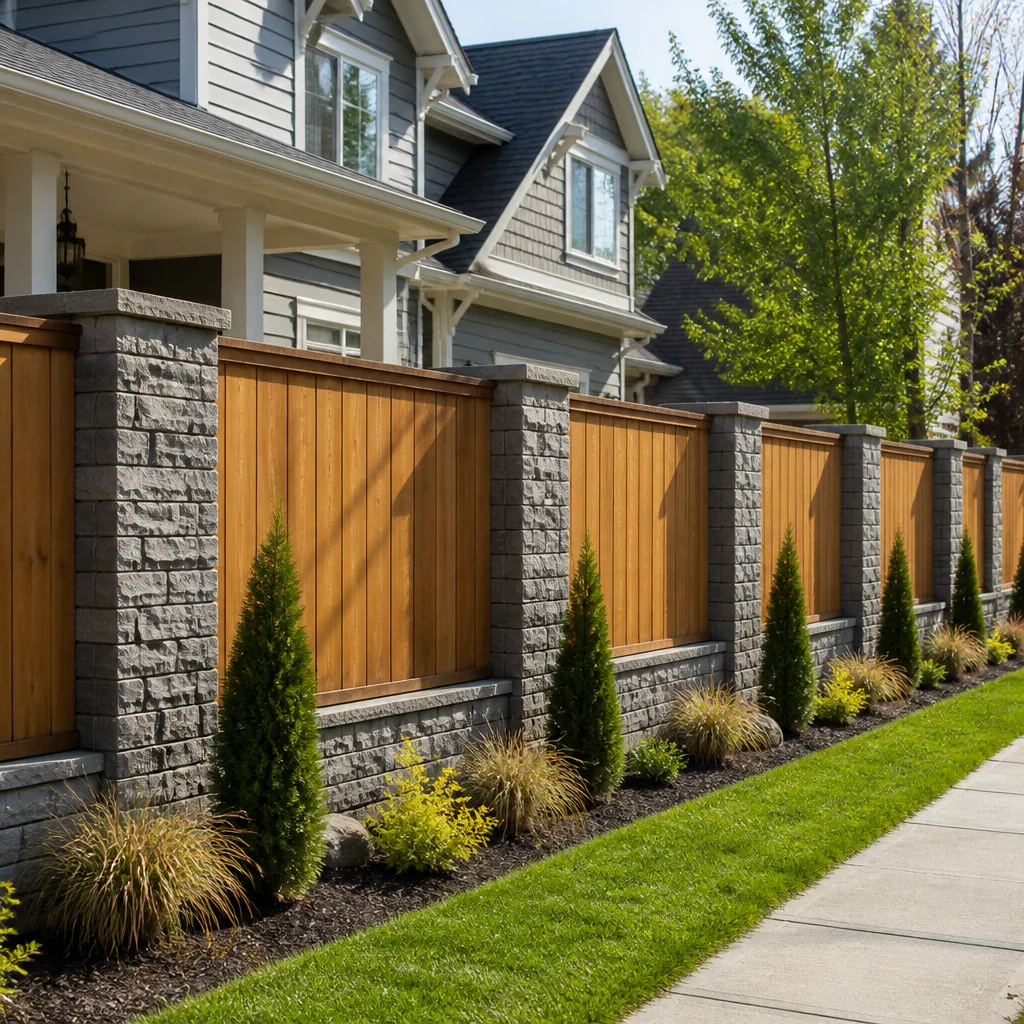 Fence
Free written scope consultation - allowances, timeline, and change-order rules on paper before a single trade is scheduled
DIY vs Professional Construction: The Moreno Valley Homeowner’s Decision Guide
Here’s the stat that changes the conversation: roughly one in five home sales in Southern California hit a snag during escrow because of contractor or permit documentation problems. In Moreno Valley, where a large share of homes sit inside HOAs with architectural review committees, that number skews even higher. This guide isn’t a pep talk for either side. It’s a framework for deciding when building it yourself protects your equity and when it quietly destroys it, based on California’s specific legal structure, Moreno Valley’s code environment, and the way resale actually works here.
Quick Answer
DIY makes sense in Moreno Valley for cosmetic, non-structural, non-permitted work: interior painting, cabinet hardware, trim, flooring where no subfloor changes occur, and landscape projects under $500 in value. Professional construction is the right call for any project requiring a permit, touching structural systems, or affecting resale disclosures, because California law ties owner-builder permits to mandatory sale disclosures that lenders and buyers treat as risk flags. The decision is less about skill and more about liability, permits, and what a future buyer’s underwriter will see.
Styles & brands we work with
Table of Contents
- The Legal Framework: What California Actually Says About Owner-Builders
- Permit Reality: What Moreno Valley Requires and Why It Matters
- Where DIY Makes Sound Sense in Moreno Valley
- The Hidden Cost Multipliers That Close the DIY Savings Gap
- The HOA Factor: Moreno Valley’s Architectural Review Layer
- The Decision Matrix: A Reusable Framework by Project Type
- Why Material Selection Changes the Professional Equation
- Common Mistakes to Avoid
The Legal Framework: What California Actually Says About Owner-Builders
California Business and Professions Code Section 7044 says a homeowner can act as their own general contractor on their primary residence, pulling an owner-builder permit without holding a contractor’s license. That’s the good news. The catch lives in the fine print and in Civil Code Section 1102, the transfer disclosure statement.
When you pull an owner-builder permit and later sell the home, you must disclose that the work was self-performed. That disclosure doesn’t expire. It follows the property through every subsequent sale. Buyers’ lenders will review it during underwriting, and many will ask for documentation that the work passed inspection, was completed to code, and doesn’t carry any open enforcement actions.
We’ve watched this play out across Moreno Valley and the Inland Empire enough times to know the pattern. A homeowner saves $8,000 doing an owner-builder bathroom addition in 2020. In 2026 they list the house. The buyer’s lender flags the owner-builder disclosure, requests the permit history from the City of Moreno Valley Building and Safety Division, and finds a final inspection that was never signed off because the homeowner didn’t know they needed to schedule it. The deal stalls. Sometimes it dies.
Now compare that to work performed by a General Contractor in Moreno Valley who pulls permits under their license, carries liability insurance, and has a documented inspection trail. The resale picture changes entirely. The permit history is clean. The disclosure obligation is routine. The underwriter moves on.
The legal framework also assigns liability differently. A licensed contractor in California carries workers’ compensation insurance for their crew. An owner-builder who hires day labor or asks a neighbor’s nephew to help on a roof has no such safety net. If that person falls, the homeowner’s insurance is the first stop. Many policies exclude injuries to anyone performing construction work on the property unless the worker is a licensed and insured contractor or employee.
In Moreno Valley specifically, the city’s building department processes owner-builder permits regularly, so the path exists. But the city also enforces California Building Standards Code (Title 24) with significant energy-efficiency requirements. An owner-builder doing a window replacement must meet Title 24 fenestration rules, which means understanding U-factor and SHGC values. A contractor does this daily. An owner learns it on the permit counter’s deadline.
Permit Reality: What Moreno Valley Requires and Why It Matters
Moreno Valley follows the California Residential Code with local amendments. The city requires permits for a long list of projects that homeowners often assume are permit-free. Here’s what actually triggers a permit in Moreno Valley:
- Any structural alteration: removing or modifying a load-bearing wall, adding a beam, enlarging a window or door opening.
- Roof replacements: all roof covering replacements require a permit and inspection, including tile, shingle, and flat roof systems.
- Water heater replacements: every water heater swap needs a permit and a final inspection confirming seismic strapping, gas line sizing, and venting.
- Electrical panel changes: any panel replacement, upgrade, or service change requires an electrical permit and often utility coordination with Southern California Edison.
- Plumbing fixture relocation: moving a sink, toilet, or shower drain is a plumbing permit item, not a weekend job.
- Fence replacement over a certain height: Moreno Valley enforces height limits and, in many HOA-governed neighborhoods, requires architectural review before city permit review.
- Window replacement: new openings require permits; same-size retrosil replacements may not, but the moment you change rough opening dimensions, you’re in permit territory.
- HVAC system replacement: new furnace, condenser, or ductwork change means a mechanical permit and Title 24 verification.
What doesn’t require a permit in Moreno Valley is a shorter list: interior painting, flooring that doesn’t alter subfloor or structure, cabinet replacement without plumbing or electrical changes, countertop swaps that keep the same sink footprint, and cosmetic trim work. These are exactly the scopes where DIY is legally clean.
Here’s the step-by-step reality of a Moreno Valley permit pull if you go owner-builder:
- Submit plans to the City of Moreno Valley Building and Safety Division. For anything structural, you need drawings that meet California Residential Code. Hand sketches on graph paper don’t pass plan review for wall removals or additions.
- Pay plan check fees. These are non-refundable, even if the plan is rejected.
- Respond to correction comments. The city’s plan reviewers will return your submittal with code references you’ll need to address. This is where homeowners without code fluency lose weeks.
- Receive the permit and schedule inspections at each phase: footing, rough framing, rough electrical, rough plumbing, insulation, drywall, and final.
- Pass each inspection. A failed inspection means a correction notice, a re-inspection fee, and another wait.
- Close the permit. This happens only after the final inspection is signed and all department approvals clear.
We coordinate this process as a standard part of every Home Remodeling in Moreno Valley project. For a homeowner doing it the first time, the administrative load is often heavier than the physical work.
Where DIY Makes Sound Sense in Moreno Valley
We’re not anti-DIY. Far from it. There are project categories in Moreno Valley where doing it yourself is genuinely the smart money move, both because permits aren’t required and because the resale impact is zero.
Interior painting is the best example. No permit, no structural risk, immediate aesthetic return, and a mistake is fixable in an afternoon. Moreno Valley’s climate (hot, dry summers, mild winters) means paint cures well year-round, and low humidity reduces the chance of adhesion failures that plague coastal paint jobs.
Cabinet hardware replacement runs a close second. Swapping hinges and pulls on existing cabinets costs a homeowner maybe $150 to $400 in materials and a Saturday of time. It changes how the kitchen feels without touching plumbing, electrical, or structure. No disclosure needed at sale.
Landscaping and hardscape under the $500 threshold sits in the same bucket. Planting, mulching, drip-line adjustments, and small paver walkways are DIY-friendly. But the moment a Moreno Valley homeowner wants a retaining wall over three feet, a paver patio with a compacted base, or any drainage modification, the project crosses into permit territory and often HOA architectural review. That’s where DIY exposure starts to compound.
Flooring is a split-decision category. Floating LVP, laminate, and carpet tile are genuinely DIY-accessible and require no permit in Moreno Valley. Tile is trickier. In Moreno Valley’s slab-on-grade construction, tile over a concrete slab means dealing with moisture vapor, slab cracks, and leveling. A bad tile install on a slab shows lippage within months and cracks along slab joints within a year. We’ve pulled up DIY tile jobs that looked fine for eight months and then started popping across the entire room.
Trim carpentry and baseboard work is another DIY-win category. Miter cuts on a $120 saw, a nail gun rental, and patience gets you a result that’s genuinely hard to distinguish from professional work. No permit, no liability, no disclosure.
The theme across all these DIY-friendly scopes is simple: they’re reversible, non-structural, and invisible to a future buyer’s lender.
The Hidden Cost Multipliers That Close the DIY Savings Gap
The DIY pitch usually starts with materials and labor math: “Tile is $3 a square foot and a contractor charges $12, so I’ll save $9 a foot.” That math works on paper. It rarely survives contact with an actual project.
Tool acquisition and rental drain the budget first. A full bathroom tile job needs a wet saw, a tile cutter, a leveling system, mixing paddles, trowels in multiple sizes, and a grout float. Buy the tools and you’ve spent $400 to $900. Rent them for three weekends and you’ve spent $300 to $500. Either way, that’s real money the materials-only estimate ignores.
Material waste from inexperience is the second multiplier, and it’s bigger than most homeowners expect. A professional tile installer ordering for a 120-square-foot bathroom buys 10 to 15 percent overage for cuts and breakage. A first-time DIY installer might need 20 to 30 percent overage because of mis-cuts, dropped tiles, and layout mistakes. On a $6-per-square-foot porcelain tile, that extra waste is $75 to $150. On a $35-per-square-foot large-format tile, it’s $400 to $700.
Permit fees paid twice is the multiplier that stings most. When a homeowner’s work fails a Moreno Valley inspection, the correction requires a re-inspection fee. Then the fix often requires hiring a professional anyway, which means the permit fee was effectively paid twice: once in cash, once in time. We’ve seen owner-builder projects where the DIY savings vanished entirely by the time a professional was called in to correct the work and re-pull the permit.
Time-value is the quietest multiplier. A kitchen remodel that a professional crew completes in four to six weeks often takes a motivated DIY homeowner four to six months, working weekends and evenings. That’s months of a torn-up kitchen, months of eating out, months of the project occupying every free hour. If a homeowner values their off-hours time at even $25 an hour, 300 hours of DIY labor is $7,500 in personal opportunity cost.
And in Moreno Valley’s market specifically, there’s a financing dimension. If the project is funded through a renovation loan or a HELOC, the lender may require a licensed contractor with insurance documentation before releasing funds. Owner-builder work in that scenario may not qualify for draw release at all. This is a Moreno Valley-specific concern because the city’s home prices and equity positions mean many homeowners finance remodels through mortgage products, not cash.
The HOA Factor: Moreno Valley’s Architectural Review Layer
Moreno Valley has one of the highest HOA penetration rates among Inland Empire cities. A significant share of single-family homes sit inside communities with covenants, conditions, and restrictions that add a governance layer above the city permit process.
Here’s what that means for the DIY decision. Many Moreno Valley HOAs require architectural review committee approval before any exterior change: fence replacement, exterior repainting with a color change, window replacement that alters the appearance, patio covers, hardscape additions, and any landscaping change that affects drainage.
The HOA review process in Moreno Valley communities typically asks for the following:
- Project description with dimensions and materials.
- Color samples or material swatches.
- Drawings or site plans showing the proposed change.
- Contractor license documentation, proof of insurance, and a scope of work.
That last item matters for DIY planning. An HOA that requires licensed contractor documentation effectively removes the owner-builder option for exterior scopes. The homeowner can either hire a licensed professional or pursue owner-builder permits with the HOA’s approval, which many committees won’t grant for structural or outward-facing work.
We often deal with this reality for Home Renovation in Moreno Valley projects where the HOA requires specific material specifications. A homeowner who wants to replace a wood fence with vinyl in an HOA-governed neighborhood may need to match the exact style and color the committee approves. DIY in that environment means navigating reviews that are designed for contractor documentation.
The practical takeaway: in Moreno Valley, exterior DIY that’s technically legal from a city permit standpoint can still get blocked or delayed by an HOA review that expects professional documentation. This is one of the most overlooked cost and time multipliers in the city’s DIY landscape.
The Decision Matrix: A Reusable Framework by Project Type
Rather than giving a single thumbs-up or thumbs-down on DIY, here’s a decision matrix organized by project type, permit requirement, skill threshold, and resale impact. Use it for any project you’re considering.
Project Category 1: DIY-Ready in Moreno Valley
- Interior painting (no permit, low skill, near-zero resale impact)
- Cabinet hardware replacement (no permit, low skill, near-zero resale impact)
- Trim and baseboard installation (no permit, medium skill, low resale impact)
- Floating floor installation (no permit, medium skill, low resale impact if done cleanly)
- Landscape planting and mulching (no permit, low skill, no resale impact)
- Caulking and weatherstripping (no permit, low skill, no resale impact)
These scopes are the safe zone. If the project is on this list, DIY is a sound economic and legal choice in Moreno Valley.
Project Category 2: Borderline in Moreno Valley
- Tile installation on concrete slab (no permit for existing footprint, but medium-high skill, and Moreno Valley slab conditions add risk)
- Electric water heater replacement (permit required, medium skill, code-sensitive)
- Countertop replacement (no permit if plumbing unchanged, but countertop handling is a specialized skill and damage during install is common)
- Fence repair (no permit for repair under height limit, low skill, but HOA review may apply)
Here the decision bends on the homeowner’s genuine skill level and tolerance for rework. In our experience, a homeowner who has done similar work before at a quality level may handle these. A first-timer will likely pay twice: once in materials and time, and again in professional correction.
Project Category 3: Professional-Only in Moreno Valley
- Roof replacement and any roof structural repair (permit, high skill, safety-critical)
- Load-bearing wall removal or modification (permit, high skill, structural engineering required)
- Electrical panel upgrade or service change (permit, high skill, utility coordination required, electrical safety)
- Gas line work of any kind (permit, high skill, life-safety)
- HVAC replacement or ductwork modification (permit, high skill, Title 24 compliance)
- Window opening enlargement (permit, high skill, structural and Title 24 implications)
- Retaining walls over three feet (permit, high skill, engineering required)
- Any ADU construction (permit, high skill, full plan review, HOA and city approval)
These scopes carry structural, safety, and code implications that outmatch even skilled DIYers. In Moreno Valley, the city’s plan review is thorough, and Title 24 energy requirements are strict. The professional call here isn’t about convenience. It’s about not creating a liability that will surface at resale.
Why Material Selection Changes the Professional Equation
One thing most DIY guides miss: a big part of what you’re paying for when you hire a professional in Moreno Valley is access to materials and brands that aren’t on the shelf at a big-box store.
Here’s what that means concretely. A DIY homeowner choosing a kitchen countertop typically selects from what’s available retail: a limited slab selection, basic edge profiles, and whatever the fabricator offers. A professional General Contractor in Moreno Valley sources directly from brands like Caesarstone and Silestone, which means access to the full design range, specific edge profiles, and warranty-backed fabrication standards. That’s not snobbery. It’s the practical difference between a countertop that looks good for two years and one that performs for fifteen.
Plumbing fixtures tell the same story. A DIY bathroom remodel often means whatever faucet and shower trim is available retail, which trends toward the same builder-grade SKUs across every store. Professional work draws from manufacturers like Kohler and Moen, where you see the full design lineup, performance specifications, and finish durability ratings. The material quality delta is real and it’s visible at resale.
The point isn’t that DIYers can’t buy these brands. They can. But they’re buying retail SKUs at retail prices, and they’re limited to what’s stocked. A professional specifies from the full catalog and often pays trade pricing, which partially offsets labor cost. In Moreno Valley, where home values support mid-range and premium remodels, the material selection advantage matters more than it does in lower-cost markets.
We also bring material rigor to exterior scopes. Siding, roofing, windows, and hardscape all have specification decisions that affect durability in Moreno Valley’s climate. The sun here is persistent, the summer heat is real, and material choices that work in coastal California fail differently in the Inland Empire. We specify brands because they perform in this climate, not because they’re convenient to source.
Common Mistakes to Avoid
- Pulling an owner-builder permit on a structural project without understanding the disclosure obligation. This single mistake follows the property through every future sale and can complicate escrow years later. In Moreno Valley’s resale market, owner-builder disclosures on structural work routinely become lender conditions.
- Assuming permit-free means city-approved. Several scopes that don’t require a city permit still require HOA architectural review in many Moreno Valley neighborhoods. Exterior paint color changes, fence replacement, and patio covers fall into this gap.
- Basing the DIY budget on materials only. Tool purchases, rental fees, waste overage, and the cost of correcting mistakes typically add 25 to 40 percent to the materials estimate on first-time DIY projects. Run the full cost before deciding.
- Underestimating Moreno Valley’s Title 24 requirements. Window replacements, HVAC work, and even some lighting changes have energy-compliance paperwork that’s hard to get right without code familiarity. Failed Title 24 verification means rework and re-inspection.
- Hiring unlicensed labor to save money on a job that needed a permit. If the work later fails inspection or causes damage, the homeowner has no contractor’s bond, no insurance recovery, and no legal path to collect. In California, unlicensed work over $500 is legally problematic on both sides.
- Starting the project before understanding the city’s plan-review timeline. Moreno Valley’s building department workload varies seasonally. A homeowner who demos a kitchen before the permit is issued has a torn-up house and no legal authority to rebuild. Demo first only when the permit is in hand.
- Ignoring the financing covenant on a mortgage or HELOC. Some loans require licensed contractors for draw releases. DIY work on a financed remodel can violate the loan terms and trigger early payoff demands. Read the lending documents before planning DIY scope.
See the difference
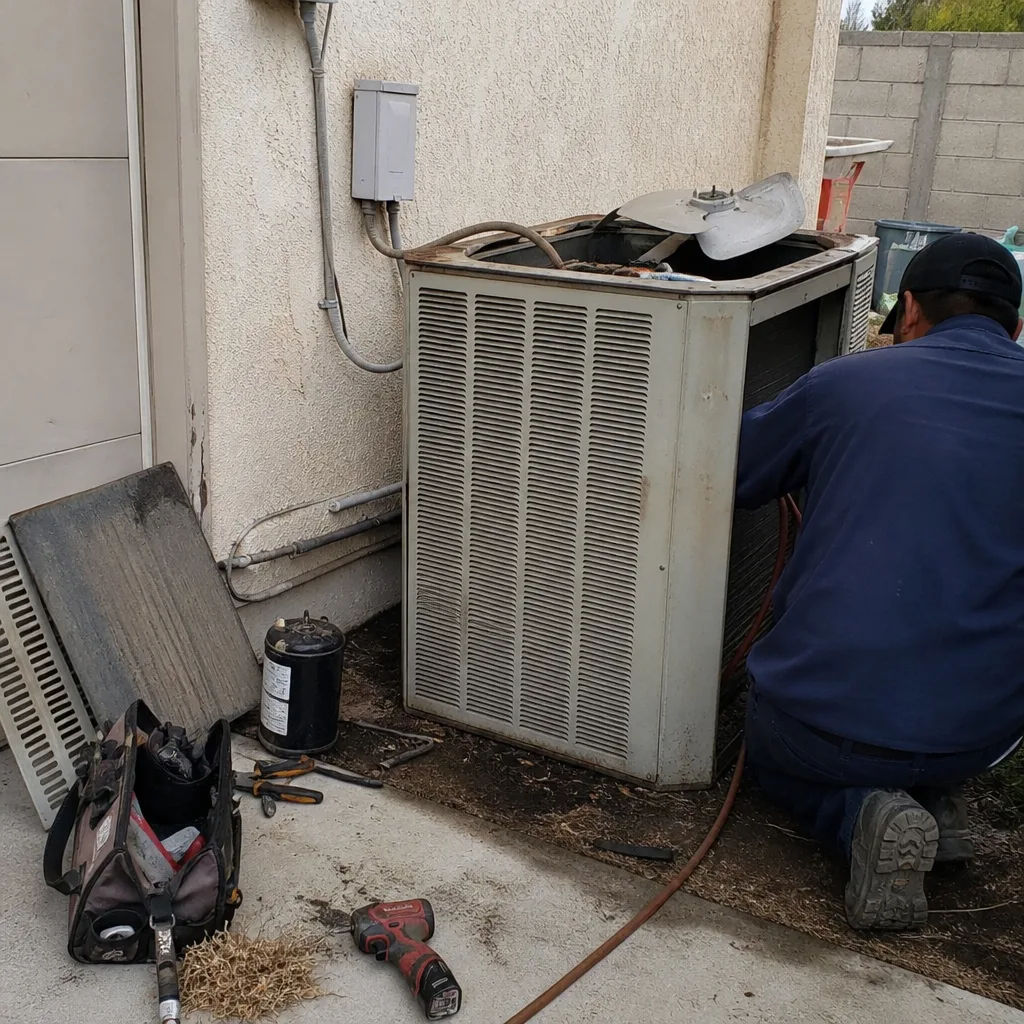 Before
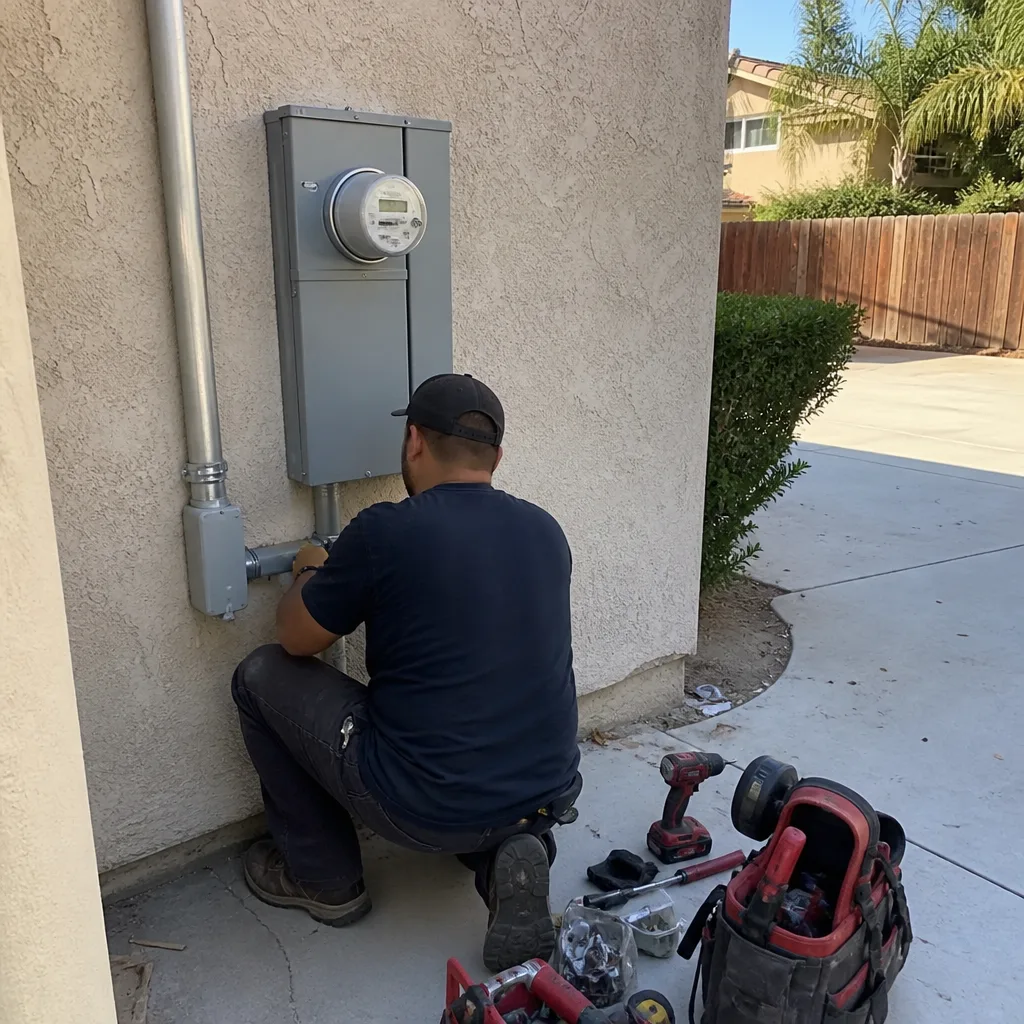 After
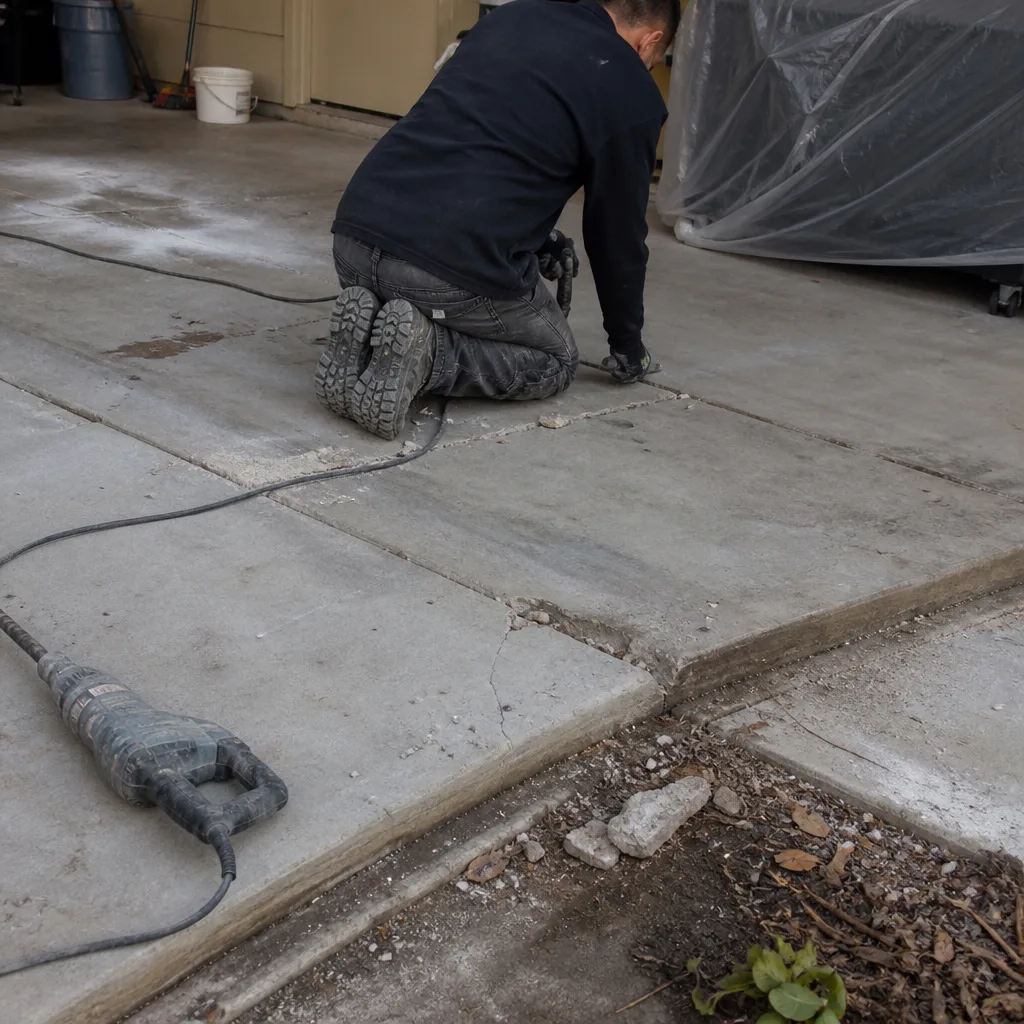 Before
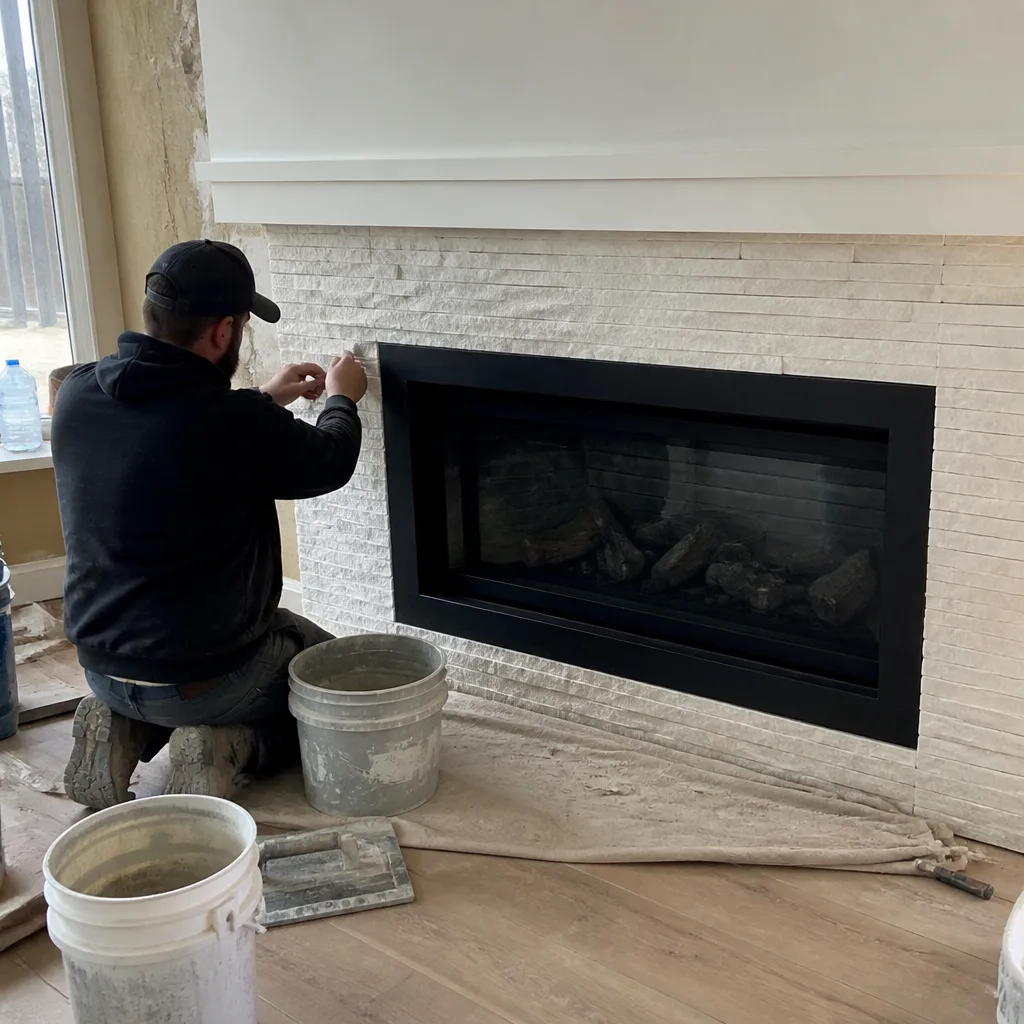 After
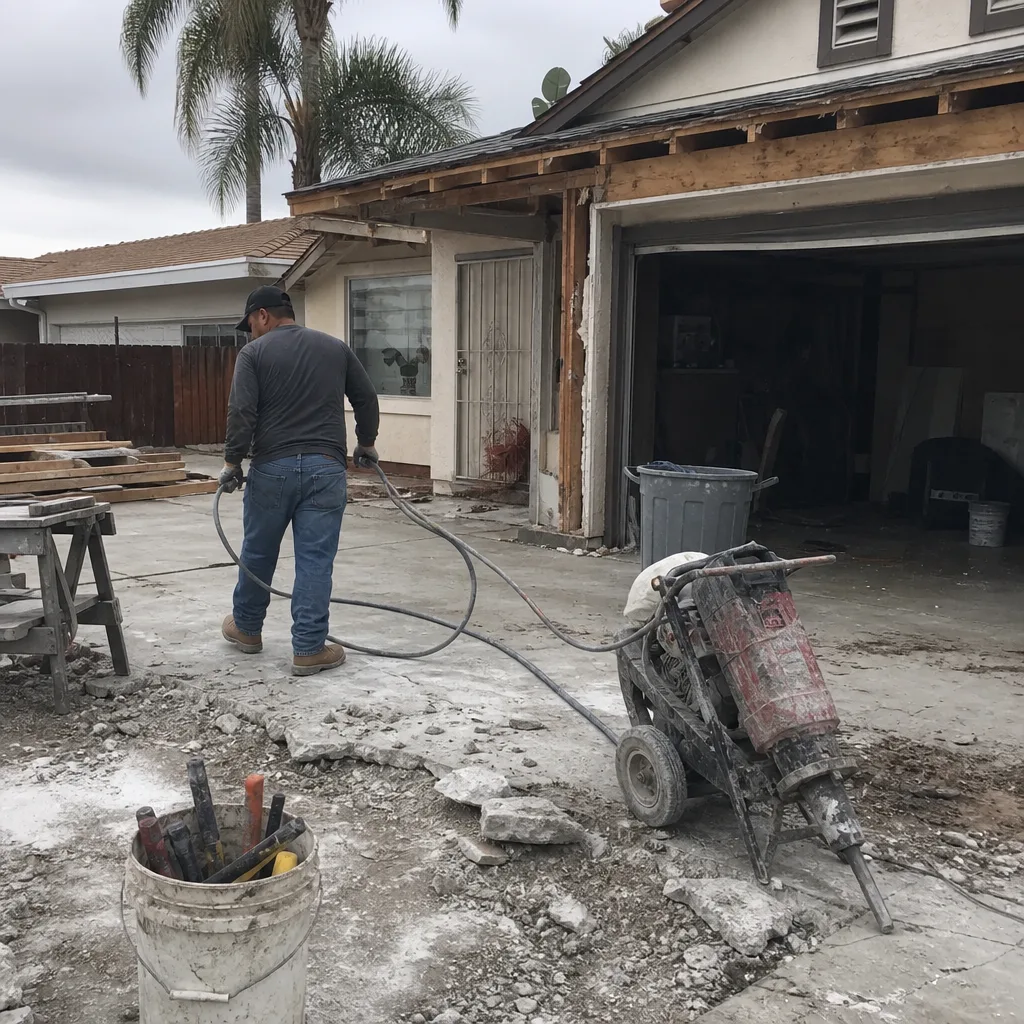 Before
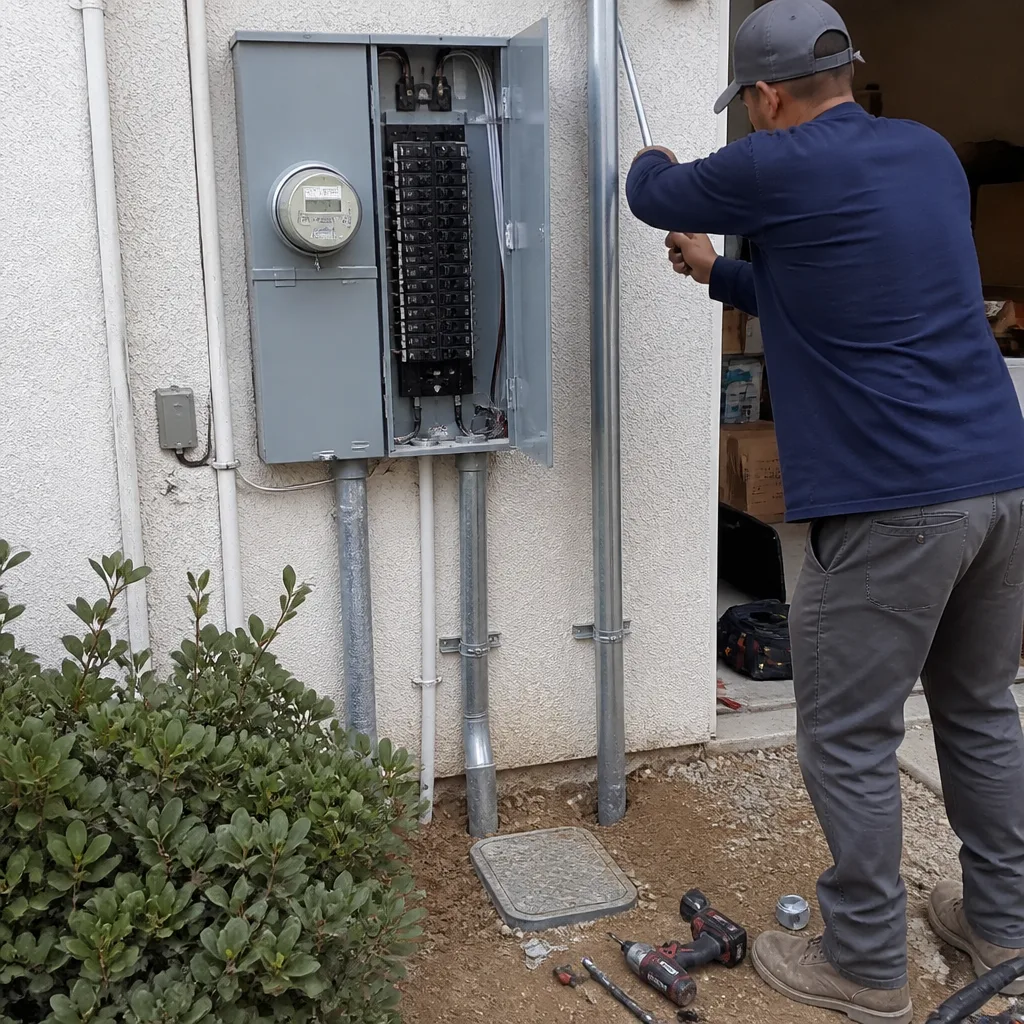 After
When to Call a Professional
Call a contractor when the project requires a permit and you can’t answer these four questions with certainty: What code sections apply? What does the inspection require? What documentation will the future buyer’s lender want to see? And who carries the liability if someone gets hurt? If any answer is unclear, the professional path is the financially rational one. The same holds when the project is structural, affects electrical or gas systems, or is an exterior scope in an HOA-governed Moreno Valley neighborhood. The cost of professional oversight is typically less than the cost of fixing a failed owner-builder project plus the resale friction it creates. Moreno Valley Builders offers free estimates in Moreno Valley – call (877) 752-3154 to talk through your project.
Frequently Asked Questions
Yes, California allows owner-builders to pull permits on a primary residence. But the work must be self-performed or done by hired workers you directly supervise, and you accept all liability for code compliance and worker safety. You’ll also face a mandatory disclosure when you sell the property.
On true DIY-scope work like painting, hardware, trim, and floating floors, savings of 60 to 80 percent of labor cost are realistic. On permit-required work, the net savings after tools, waste, rework, and re-inspection often runs 10 to 20 percent, and that’s if everything goes smoothly. One failed inspection can wipe that out entirely.
Yes, if the remodel changes plumbing fixture locations, modifies electrical, alters the framing, or changes the shower waterproofing assembly. A cosmetic refresh that keeps all fixtures in place and doesn’t open walls typically doesn’t need a permit. Call (877) 752-3154 if you’re unsure where your project lands.
Yes. The transfer disclosure statement requires you to disclose owner-built work, and buyers’ lenders frequently condition loan approval on permit history review. Unpermitted or incompletely inspected work becomes a title and underwriting issue. In Moreno Valley’s competitive resale market, clean permit history is a real negotiating asset.
In many communities, yes. Exterior changes, even ones that don’t require a city permit, often need architectural review committee approval. Many committees require licensed contractor documentation for structural work. Check your HOA’s CC&Rs before buying materials.
Call a Moreno Valley Builders home professional and ask for a free estimate. Seeing professional line-item pricing, permit timelines, and material options gives you a benchmark. Then price your DIY version honestly, including tools, waste, and time. The comparison will usually make the decision clear. Reach us at (877) 752-3154.
The Bottom Line
DIY and professional construction aren’t competing philosophies. They’re two tools for two different job types. In Moreno Valley, the dividing line is legal, not philosophical: cosmetic and non-structural work without permit requirements is DIY territory, and everything else belongs with a licensed contractor who carries the liability and manages the inspection trail. The homeowners who get this right treat the decision as a risk question, not a skill question. Do the work yourself where the risk is low and reversible. Hire a professional where the risk touches structure, safety, permits, or resale disclosure. That framework will serve you better than any YouTube tutorial.
Written by the team at Moreno Valley Builders, serving Moreno Valley since 2017.