
Last updated October 30, 2026
 Kitchen remodeling
 Bathroom remodeling
 Home additions & ADU
 Roofing
 Windows & doors
 Driveway & pavers
 Fence
Free written scope consultation - allowances, timeline, and change-order rules on paper before a single trade is scheduled
General Contractor Troubleshooting: Common Problems and How to Fix Them
Most homeowners assume a remodeling project goes sideways because of what happens on the job site. After years of walking into half-finished kitchens and stalled additions across Moreno Valley, we can tell you the truth is less dramatic but far more useful: the majority of project failures we see are traceable to decisions made before the first hammer swings. A vague scope of work, an unverified subcontractor, a contract that ignores change-order protocol. These are the roots. The symptoms you notice later, cracked tile, missed deadlines, surprise invoices, are just the visible branches. This guide walks through the common problems that surface during a general-contractor project, how to diagnose what actually caused them, and the specific steps to fix each one without torching the working relationship or your budget. By the end, you’ll know which problems are conversations and which are contract disputes, and when a licensed general contractor in Moreno Valley should step in and take over.
Quick Answer
General contractor problems fall into predictable categories: scheduling stalls, subcontractor failures, inspection rejections, vague change orders, and money disputes. The fix for each starts with documentation and a direct conversation, then escalates through written notice, third-party inspection, and, when warranted, a complaint to the California Contractors State License Board (CSLB) or a claim against the contractor’s bond. Most issues resolve at step one or two if your original contract was specific about scope, materials, and payment schedule.
Styles & brands we work with
Table of Contents
- Why Your Project Stalled and How to Read the Real Reason
- How to Distinguish a Legitimate Material Delay from a Contractor Who Over-Committed
- What to Do When Subcontractor Work Fails Inspection
- How Scope Creep Actually Happens and How to Reverse It Mid-Project
- Money Disputes: Payment Schedules, Lien Waivers, and What You Should Never Do
- The Paper Trail You Need Before Filing a CSLB Complaint or Bond Claim in California
- When to Bring in a Third-Party Inspector or Construction Manager
- Common Mistakes to Avoid
- When to Call a Professional
- Frequently Asked Questions
Why Your Project Stalled and How to Read the Real Reason
A stalled project is rarely about one thing. It is a symptom of broken scheduling, thin supervision, or a contractor who took on more work than their crew can handle. In our experience across home remodeling projects in Moreno Valley, the number one cause of a job sitting idle for two or three weeks is not weather and not inspections. It is that the general contractor assigned their lead carpenter to another job and nobody told you. The second most common cause is a cash-flow squeeze on the contractor’s side. They are waiting for a draw from another client so they can afford materials for your project.
Here is how to read a stall in under ten minutes. First, check the daily log or job schedule. If your contractor does not keep one, that is its own red flag. Second, call and ask one question: “Which trade is scheduled to be on site this week, and what are they doing?” A professional GC answers that instantly. A contractor who is juggling too many jobs stumbles, hedges, or says “we’re waiting on the city.” The city does not take three weeks to review a rough-in inspection. Third, look at the site itself. Is it clean? Is material staged? Is there fresh sawdust or new deliveries? A site that is actively managed looks active even on a slow day. A site where nothing has changed in ten days is being ignored.
The fix depends on what the stall reveals. If it is a scheduling conflict, request a written recovery schedule with specific dates and the name of the lead person on site. If it is a material or inspection delay, ask for the order confirmation number or the inspection request form. If your contractor refuses to provide either, start documenting everything in writing. You may be heading toward a larger conversation about contract performance.
How to Distinguish a Legitimate Material Delay from a Contractor Who Over-Committed
Material delays are real. Since 2020, lead times on windows, doors, custom cabinetry, and certain roofing products have stretched from four weeks to six months depending on the manufacturer. Even in 2026, we still see extended lead times on specialty items like impact-rated windows and custom color exterior doors. A homeowner in Moreno Valley ordering a specific PGT or CGI window configuration should expect waits. That is the market, not the contractor.
But here is the distinction that saves projects. A legitimate material delay comes with paperwork: a purchase order, an order acknowledgment from the manufacturer, and a revised delivery date in writing. An over-committed contractor comes with stories. “The supplier is backed up.” “Shipping is slow.” “It should be here any day.” Vague, unverifiable, repeated. When you push for specifics, the story shifts.
Questions to ask when your contractor blames materials:
- Can I see the purchase order with the date it was placed?
- What is the manufacturer’s confirmed ship date?
- What is the order or reference number so I can verify with the supplier?
- If this item is truly delayed, what is the workaround to keep the project moving in the meantime?
- Did you order this material when the contract was signed, or after the deposit cleared?
That last question is the one most homeowners never ask and it is the most revealing. We have taken over projects in Moreno Valley where the original contractor waited six weeks to order windows and then blamed the manufacturer for a twelve-week lead time. The window company was never the problem. The contractor’s cash flow was. If you ask to see the original order date and it does not match the project timeline, you have your answer. A contractor who orders materials the week the contract is signed is managing your project. A contractor who orders them two months in is managing their own books.
What to Do When Subcontractor Work Fails Inspection
Failed inspections happen. Even good crews get tagged for a missed nail pattern, an improperly supported drain line, or a receptacle that is too close to a water source. The difference between a normal correction and a serious problem is how it is handled and by whom.
Here is the legal reality in California: your contract is with the general contractor, not with the electrician, plumber, or framer who did the work. The GC is legally responsible for the sub’s work. If a subcontractor’s work fails a city inspection in Moreno Valley, the correction, the reinspection fee, and any related delay are the general contractor’s responsibility. The sub answers to the GC, not to you. That is the entire point of hiring a general contractor instead of piecemealing trades yourself.
When a sub’s work fails inspection, follow these steps:
- Get the correction notice in writing from the inspector. The city provides a correction list. Take a photo of it and keep the original.
- Send a written request to your general contractor asking for a correction plan with a completion date. Email is fine. Text is not. You want a record.
- Ask which licensed trade will perform the correction. A failed electrical rough-in should be corrected by the same or another licensed electrician, not by the GC’s handyman.
- Confirm that the GC will pay the reinspection fee. In our contracts, reinspection fees caused by our team are absorbed by us. That should be the standard.
- Do not pay for the correction work, the reinspection, or the delay. None of that is your obligation under a properly written contract.
If the same work fails inspection twice, stop and bring in a third-party inspector or a construction attorney. A second failure on the same item means the installer does not understand the code or is cutting corners deliberately. In Riverside County, building codes on energy compliance and structural shear are specific. A contractor who cannot pass a Moreno Valley inspection is not a contractor you want finishing your home renovation.
How Scope Creep Actually Happens and How to Reverse It Mid-Project
Homeowners blame themselves for scope creep. They added a pot filler. They changed the island size. They upgraded the tile. And yes, those decisions add cost. But in our experience, the more expensive kind of scope creep is not the change you requested. It is the change the contractor decides is necessary because the original scope was too vague to build from.
A contract that says “install new kitchen cabinets” without specifying cabinet line, finish, hardware, soft-close hardware, crown molding, or installation method is an open door. The contractor quotes a builder-grade price, then upcharges for every one of those decisions later. The homeowner thinks the price went up because they changed their mind. In reality, the contractor underbid a vague scope and is now backfilling profit through change orders. That is not homeowner indecision. That is an under-specified contract.
Here is how that plays out with real materials. A cabinet line like KraftMaid or Wellborn has hundreds of door styles, finish options, and hardware configurations. If your contract says “new kitchen cabinets,” the contractor can substitute the cheapest line, the thinnest plywood, the most basic hinge. If your contract specifies “Wellborn Premier, maple, shaker door, soft-close, dovetail drawers, crown to ceiling,” there is nothing left to negotiate later. The price is the price. The product is the product.
To reverse scope creep mid-project, do this:
- Pull out the original contract and the original scope of work. Highlight every line item that uses vague language: “as needed,” “customer’s choice,” “standard grade,” “per plan.”
- List every change order you have received and sort them into two columns: changes you initiated and changes the contractor initiated.
- For contractor-initiated changes, ask for the specific reason in writing. “Code requires it” is legitimate if supported by an inspector’s note. “We need more material” without documentation is not.
- Request a revised, fixed-price contract for the remaining scope. A professional GC can re-price the remainder and lock it. If they refuse, they want the vagueness to keep billing against.
- Put a stop-work notice in writing if the contractor continues to perform work not covered by a signed change order. Under California law, you generally cannot be charged for work you did not approve in writing.
Our approach at Moreno Valley Builders is to write contracts that read like a spec sheet, not a promise. We specify the brand, model, finish, and installation method for general contractor work in Moreno Valley before the contract is signed. Homeowners should expect the same from any GC. If the contract does not name products, it is not a real contract. It is a price with fine print.
Money Disputes: Payment Schedules, Lien Waivers, and What You Should Never Do
Most payment disputes are avoidable if the contract sets a payment schedule tied to completed milestones, not calendar dates. Never pay a contractor on a weekly or monthly schedule. Pay on progress: foundation poured, rough framing done, rough plumbing and electrical inspected, drywall hung, finish work complete. Each milestone should be defined in the contract, not described vaguely as “50% complete.” Completion is subjective until you define it with an inspection.
If a payment dispute is already underway, here is the sequence:
- Stop paying. Do not pay for work that has not been performed or that failed inspection.
- Request conditional and unconditional lien waivers from the contractor and every subcontractor before each payment. In California, a conditional waiver protects you from a sub filing a mechanics lien after you have paid the GC. If the GC cannot produce waivers, do not release funds.
- Review the contract’s dispute resolution clause. Many contracts require mediation before litigation. Follow it. Courts in Riverside County often enforce these clauses.
- If the dispute is over $10,000 and the work is defective or incomplete, consult a construction attorney before making any further payment or signing any release.
The most common money mistake homeowners make is paying too much upfront. California law caps the down payment for home improvement contracts at 10% of the project total or $1,000, whichever is less. Any contractor asking for more than that before work begins is either unlicensed or breaking the law. The second most common mistake is paying in cash. Always pay by check or card so there is a traceable record. The third is signing a completion certificate before doing a full walkthrough with the contractor. That certificate triggers your final payment and often waives claims. Do not sign it until every item on the punch list is done and you have walked every room, opened every door, checked every outlet, and run every faucet.
The Paper Trail You Need Before Filing a CSLB Complaint or Bond Claim in California
The California Contractors State License Board (CSLB) regulates general contractors and investigates complaints of fraud, abandonment, and substandard work. Filing a CSLB complaint is not the first step, but when it becomes necessary, the quality of your documentation determines the outcome. The CSLB does not have unlimited investigators. Your file needs to be so complete that it makes its own case.
Before you file, gather the following:
- The signed contract with all change orders, addenda, and exhibits.
- A complete payment history: dates, amounts, check images, and what each payment was for.
- The contractor’s license number and the legal name on the license, not just the DBA or company name. You can verify this on the CSLB website.
- Photos and videos of the work at every stage, especially any defects or incomplete areas.
- Written correspondence: emails, letters, and text messages that show dates, promises, and commitments. Screenshot texts so the phone number is visible.
- The inspection history from the city, including any failed inspection notices.
- A written summary of what went wrong, when it went wrong, and what you have done to resolve it directly with the contractor.
A bond claim is a separate process. Every licensed California contractor carries a contractor’s license bond, typically $25,000. The bond exists to compensate homeowners for violations of the contractors license law, including abandonment, failure to complete work, and failure to pay subcontractors or suppliers. A bond claim is filed with the bonding company, not the CSLB, and the surety will investigate. Bond claims are limited to the bond amount, and multiple claims may be prorated. That means if several homeowners file against the same contractor, the $25,000 gets divided. File early if you believe the contractor is failing others as well.
One important note: neither the CSLB nor the surety company is a substitute for a construction attorney. If your damages exceed the bond amount or involve complex contract issues, get legal advice. The CSLB process helps. It does not pay for a botched remodel.
When to Bring in a Third-Party Inspector or Construction Manager
Most problems resolve through a direct, documented conversation with your general contractor. A clear email that references the contract, states the issue, and requests a specific correction by a specific date works more often than homeowners expect. Contractors respond to written accountability. What they ignore is the angry voicemail or the vague text thread.
But there are moments when a third party is the right call:
- The same problem has recurred twice or more after being “fixed.”
- The contractor is unwilling to provide documentation you have a right to see: permits, inspection reports, lien waivers, material orders.
- The work involves a structural, electrical, plumbing, or roofing issue and you no longer trust the contractor’s explanation of what happened or how it will be corrected.
- You are being asked to pay for work you did not approve or cannot verify was completed.
- The project has stalled repeatedly and the contractor’s communication has gone dark.
A third-party inspector, typically a licensed engineer or a certified home inspector with construction experience, can assess the work and write a report that becomes the basis for negotiations, a CSLB complaint, or litigation. A construction manager goes further: they take over communication with the contractor, review the schedule and payments, and in some cases manage the remainder of the project. The cost, usually a few hundred to a few thousand dollars, is often less than the overrun they prevent.
In Moreno Valley, where summer heat and winter rain both test the exterior envelope of a house, water intrusion and stucco defects are common sources of third-party inspection requests. If a re-roof or siding replacement is not watertight, the damage compounds every season. Do not wait.
Common Mistakes to Avoid
- Paying more than 10% down. In California, that is the legal cap for home improvement contracts. If a contractor asks for more, walk away.
- Signing a contract with vague scope language. “New master bath” is not a scope. “Kohler Memoirs pedestal sink, Delta Trinsic fixtures, Toto Drake toilet, subway tile to 48 inches” is a scope. The second one protects you.
- Using text messages for project decisions. Texts disappear, get buried, and are hard to produce in a dispute. Email is a paper trail. Use it for every change, every approval, every question about money.
- Paying for work before it passes inspection. Inspections are your leverage. Once the cash is gone, so is your contractor’s urgency.
- Hiring a contractor without verifying the license. The CSLB website shows the license status, any complaints, and the bonding company. It takes five minutes. In Moreno Valley, unlicensed contracting is a real problem, particularly for roofing and concrete work.
- Ignoring the punch list until the end. Keep a running punch list from day one. Email it to the contractor weekly. Small items like a misaligned cabinet drawer or a scratched tile get forgotten until final walkthrough, and by then the crew is already on the next job.
When to Call a Professional
If you are reading this because you are already in the middle of a troubled project, a licensed general contractor can assess what is salvageable and what needs to be redone. If you are reading this before you start, the best fix is prevention: a contract with real specifications, a payment schedule tied to inspections, and a GC who manages the trades under one roof. Some situations genuinely call for a professional second opinion: structural concerns, failed inspections you do not understand, a contractor who has stopped returning calls, or water damage that is spreading. Moreno Valley Builders offers free estimates for homeowners in Moreno Valley and nearby communities. Call (877) 752-3154 and we will walk the project with you, write up what is working, what is not, and what it would take to fix it.
Frequently Asked Questions
The most common problem we see in Moreno Valley is project stall caused by a contractor who over-committed to multiple jobs. The work stops not because of weather or inspections, but because the crew was reassigned and the GC is managing cash flow across several projects. The fix is a written recovery schedule with named dates and accountability. Call (877) 752-3154 if you need a third-party assessment of a stalled project.
The cost depends entirely on what was done wrong and how far the project got before the problem was caught. A failed inspection correction might cost a few hundred dollars in labor and materials. A improperly flashed roof or badly waterproofed shower can cost $15,000 to $40,000 to tear out and redo properly. The most expensive fix by far is water damage that goes undetected for years. Early inspection saves money every time.
Yes, you can terminate a contractor for cause if they have breached the contract through abandonment, substandard work, or failure to perform. The termination should be in writing, state the specific breaches, and set a date for the contractor to remove their tools and materials. You should document everything before the termination. Be prepared for the contractor to file a lien for unpaid work, which is why lien waivers and a complete payment history matter. A construction attorney should review the termination letter before you send it.
Your general contractor is responsible. In California, the homeowner contracts with the GC, and the GC contracts with the subs. If an electrician does substandard work, the GC must correct it at no additional cost to you. This is why hiring a licensed general contractor who manages their own trades matters. If you hire subs directly, you become the general contractor and inherit the liability.
To file a complaint, go to the CSLB website and complete the complaint form. You will need the contractor’s license number, a written summary of the issue, your contract, payment records, photos, and any correspondence. The CSLB investigates violations of contractor law, including fraud and abandonment. For money damages, you may need to file a bond claim with the contractor’s surety company or pursue a case in civil court. Call (877) 752-3154 for a free consultation if you are deciding whether to file.
Yes. Moreno Valley, like all of Riverside County, requires building permits for structural work, electrical, plumbing, HVAC, roofing, window replacement, and most remodeling beyond cosmetic finishes. A licensed general contractor pulls permits and schedules inspections with the city. Work done without permits creates problems when you sell the house and can void your insurance coverage if the unpermitted work fails. Any contractor who suggests skipping permits to save money is not protecting you.
The Bottom Line
Most general contractor problems are preventable before the job starts and fixable once it does, if you know the difference between a conversation and a contract dispute. A stalled project is diagnosed by the paper trail, not the excuses. A failed inspection is the GC’s responsibility, not the homeowner’s. Scope creep traces back to vague specs, not homeowner indecision. And the legal system in California gives homeowners real tools: the CSLB, contractor bonds, lien waivers, and the 10% down payment cap. The common thread in every fix is documentation. Write down what was promised. Ask for it in writing. Pay only for inspected, verified work. If you are already in a troubled project, get a third-party assessment. If you are planning one, start with a contract that names real materials from real manufacturers, because that is where good outcomes begin. Moreno Valley Builders has helped homeowners across Moreno Valley recover stalled projects and start new ones with the right scope from day one.
Written by the team at Moreno Valley Builders, serving Moreno Valley since 2017. Schedule a free estimate at (877) 752-3154.
See the difference
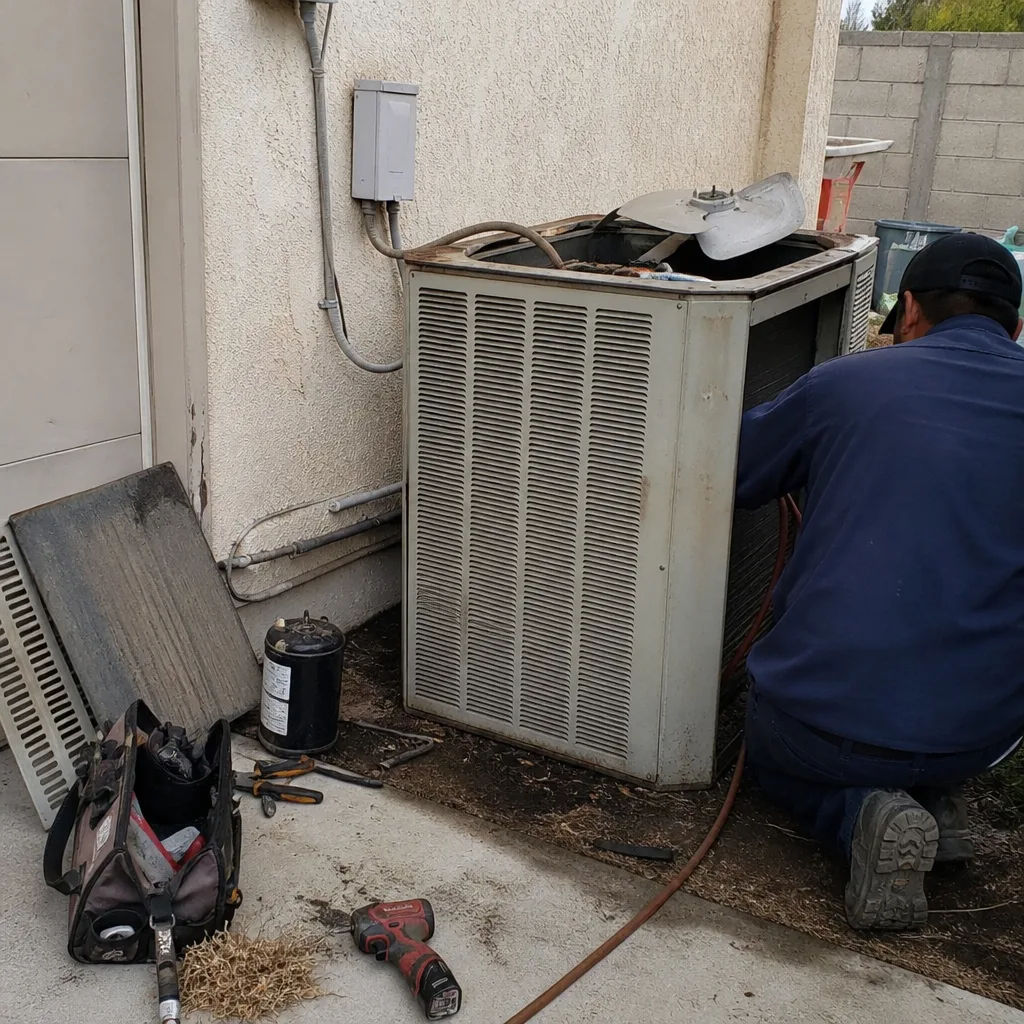 Before
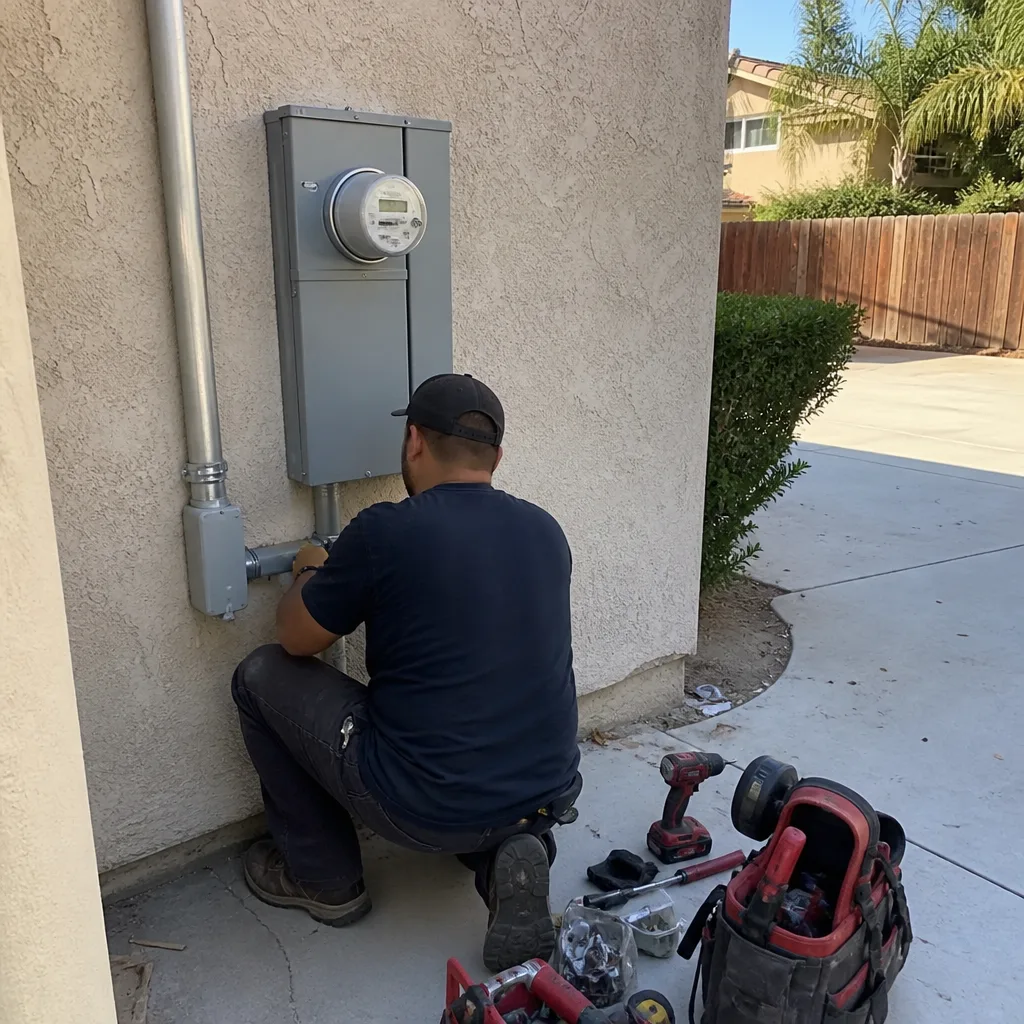 After
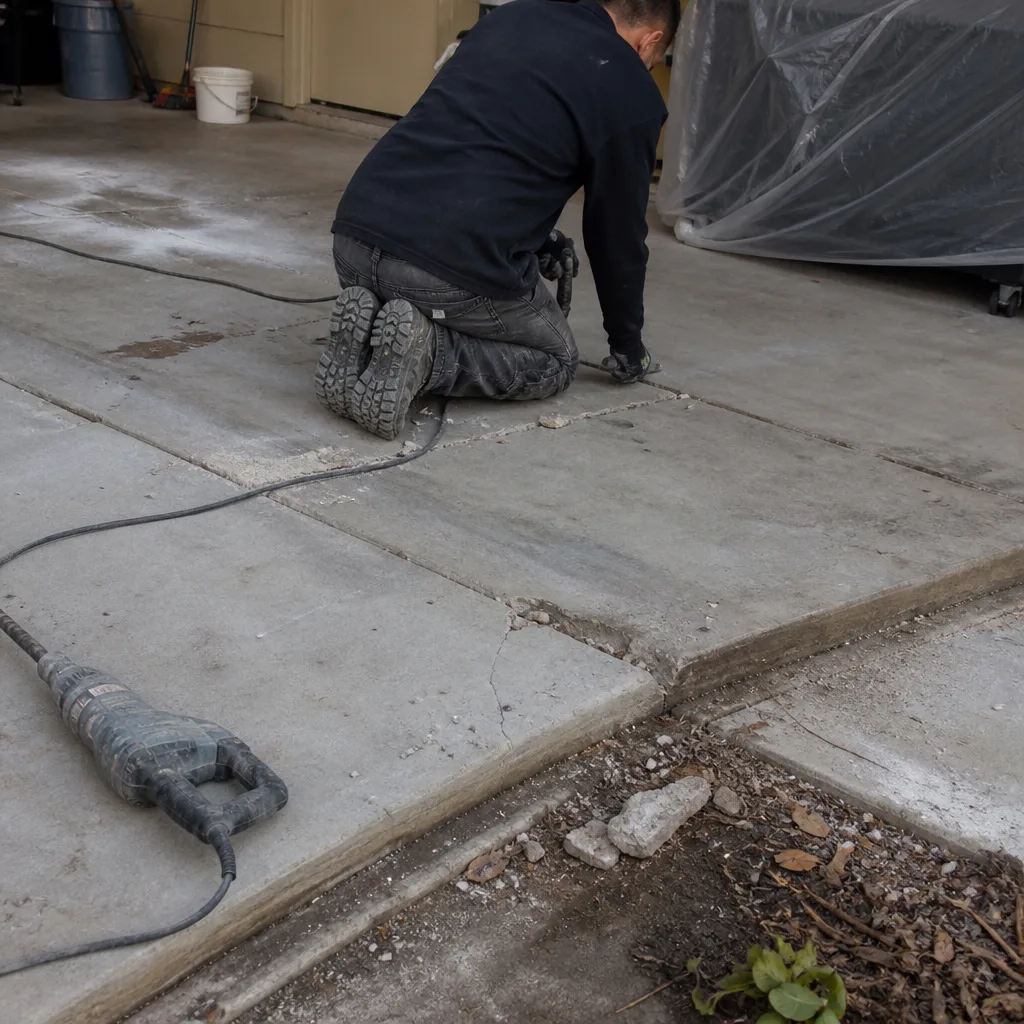 Before
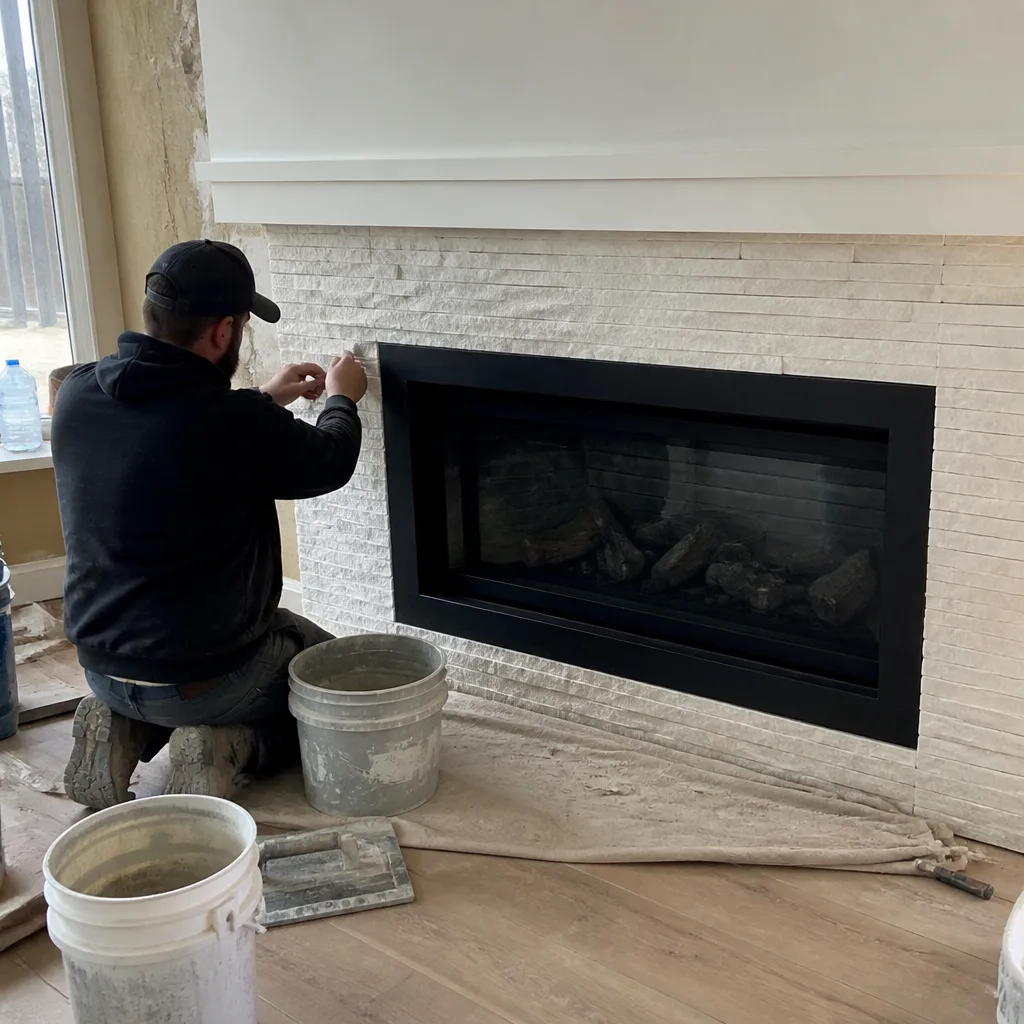 After
 Before
 After