Last updated October 30, 2026
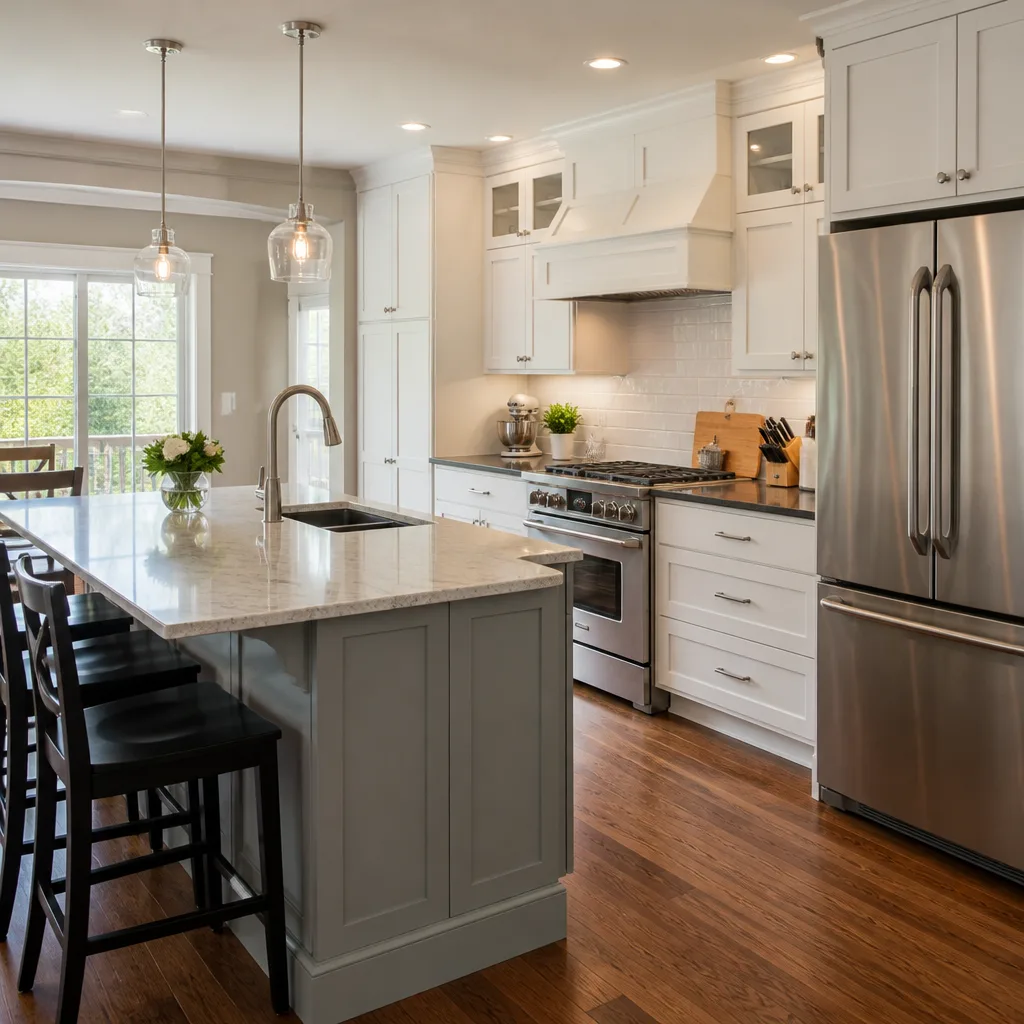 Kitchen remodeling
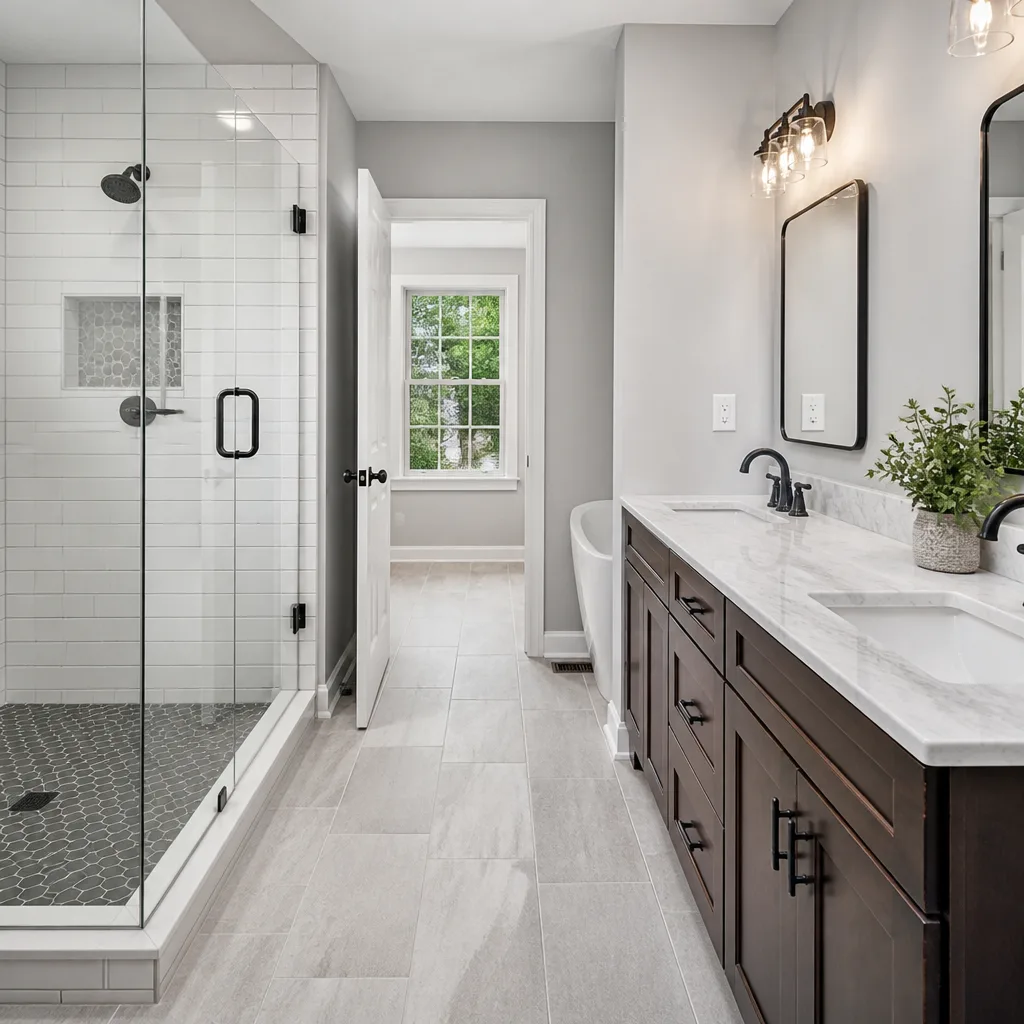 Bathroom remodeling
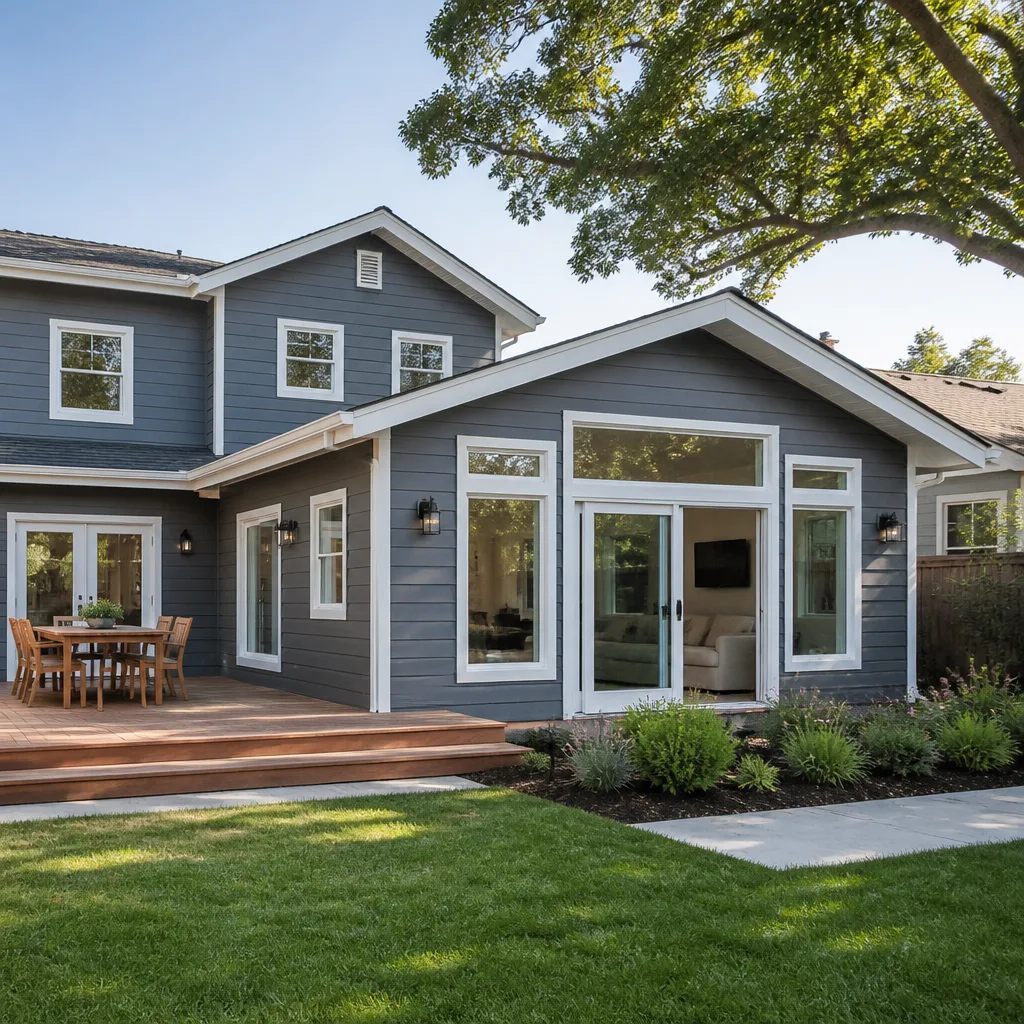 Home additions & ADU
 Roofing
 Windows & doors
 Driveway & pavers
 Fence
Free written scope consultation - allowances, timeline, and change-order rules on paper before a single trade is scheduled
The Complete Guide to Construction in Moreno Valley
Moreno Valley sits in a FEMA-designated high wind zone and has some of the most expansive clay soils in Southern California. Those two facts never appear in generic construction guides, and homeowners usually discover them only after a foundation cracks or a roof loses shingles in a Santa Ana event. This guide maps out what construction actually looks like in Moreno Valley: which codes govern your parcel, why our soil behaves the way it does, how 100-degree summers change material choices, and what a realistic timeline looks like when you pull a permit here. Whether you’re planning a kitchen remodel, a room addition, or a full ADU, the details below will save you from the mistakes we see on job sites across the city.
Styles & brands we work with
Quick Answer
Construction in Moreno Valley is governed by Construction Permits, Codes & Inspections in CA: What You Need to Know with local amendments from the City of Moreno Valley Building Division or Riverside County, depending on your parcel. The two variables that most affect any project here are expansive clay soil requiring engineered foundation and drainage solutions, and high summer heat plus wind exposure that narrow which roofing, window, and siding products perform well. Budgets for full-scale remodels in Moreno Valley typically run higher on structural and weatherproofing line items than comparable projects in coastal cities, while permit timelines generally track faster than Los Angeles County but slower than smaller Riverside County jurisdictions.
Table of Contents
- Moreno Valley Soil Conditions and Foundation Requirements
- City vs. County Jurisdiction: How to Confirm Your Permitting Authority
- How Moreno Valley Heat and Wind Change Material Specifications
- Subcontractor Availability and Lead Times in the Inland Empire
- Phased Breakdown of Major Project Types and Timelines
- Roofing Systems That Hold Up in Moreno Valley
- Windows, Siding, and Exterior Assemblies for Inland Heat
- ADUs and Prefab Construction in Moreno Valley
- Common Mistakes to Avoid
- When to Call a Professional
- Frequently Asked Questions
- The Bottom Line
Moreno Valley Soil Conditions and Foundation Requirements
Most of Moreno Valley sits on clay-rich soils classified as Hydrologic Group D, which means water infiltrates slowly and the soil expands significantly when wet and contracts when dry. This cyclical movement is the primary reason we see slab cracks, sticking doors, and drywall stress in homes built before current grading and foundation standards took hold. Any new construction, room addition, or ADU in Moreno Valley needs a soils report before the foundation is designed. That report determines whether you can build on a standard slab, a post-tension slab, or need piers drilled to stable strata.
In our experience working across Moreno Valley neighborhoods, the soil varies block by block. Homes in the Sunnymead Ranch area often hit caliche and decomposed granite at shallower depths than properties near the Box Springs bench, where expansive clay runs deeper. That variability is why a foundation design copied from a friend’s project in Riverside can be inadequate for a parcel two miles away in Moreno Valley. The engineering has to be site-specific.
- Standard slab: Acceptable only where the soils report shows low expansion potential. Some pockets of Moreno Valley allow this, but they are not the majority.
- Post-tension slab: The most common foundation type for newer Moreno Valley construction. Steel tendons inside the slab keep it in compression, resisting the seasonal swelling and shrinking.
- Engineered piers or caissons: Required when the soils report finds deep expansive strata or poorly compacted fill. Older neighborhoods where fill was placed without modern compaction standards frequently need this for additions.
Drainage is the second half of the equation. Because Hydrologic Group D soils don’t shed water quickly, a foundation without proper grading and downspout discharge will hold moisture against the slab edge, accelerating movement. Moreno Valley code requires positive drainage away from the structure, and any addition that changes the building footprint must show how runoff will be managed. We specify foundation drainage and moisture barriers at a higher level here than we would for a coastal project, because the failure mode is slower but far more expensive to fix.
City vs. County Jurisdiction: How to Confirm Your Permitting Authority
Moreno Valley is an incorporated city, so most addresses fall under the City of Moreno Valley Building Division for plan checks, permits, and inspections. But parcels on the edges of the city, particularly some properties with Moreno Valley mailing addresses in unincorporated Riverside County, fall under county jurisdiction. The distinction matters because plan check processes, fee schedules, and even adopted building code amendments differ between the two agencies.
Here is the step-by-step way to confirm which authority governs your parcel before you pull a permit:
- Check your address against the city’s boundary map. The City of Moreno Valley maintains an online GIS parcel viewer. Enter your APN or address and confirm the jurisdiction label.
- Look at your utility billing statement. If you pay City of Moreno Valley for water or trash service, you are almost certainly inside city limits. County service areas operate under Riverside County.
- Verify the zoning designation. The same GIS tool shows your zoning classification (R1, R10, etc.), which determines setbacks, lot coverage limits, and what construction types are allowed by right vs. requiring a variance.
- Call the permitting desk before you design anything. Both agencies have pre-application meetings. Bring your APN and a rough scope description. You’ll get a checklist of required documents and fee estimates before you invest in plans.
One practical note for Moreno Valley homeowners: city plan check times have been running about 3 to 6 weeks for interior remodels and 6 to 12 weeks for additions and ADUs, depending on workload. County review for nearby unincorporated parcels tends to be a few weeks slower because those files route through Riverside. Build that into your timeline before you sign a contractor agreement. As a general contractor in Moreno Valley, we pull permits for our clients as part of the project scope, which removes that coordination burden.
How Moreno Valley Heat and Wind Change Material Specifications
Moreno Valley regularly sees summer days over 100 degrees, and the city’s position at the foot of the Badlands means afternoon winds can gust hard even when the rest of the Inland Empire is calm. Those two forces reshape nearly every material decision on a project, and we see the consequences of ignoring them all the time: warped vinyl siding, asphalt shingles that lost granules within five years, and window frames that baked into brittleness.
Here is what actually matters for Moreno Valley construction:
- Roofing: Asphalt shingles need a high wind rating, and we lean on manufacturers with documented performance in hot, dry climates. GAF and CertainTeed both offer impact-resistant and high-wind lines rated for FEMA zones like ours, and we specify those over builder-grade options every time. The cost difference is real but small compared to a premature reroof.
- Windows: Solar heat gain coefficient matters more than U-factor here. You want glazing that blocks infrared heat while still letting in daylight. Dual-pane is the minimum, and low-E coatings make a measurable difference in cooling load. We specify brands like PGT and Therma-Tru because their frame materials and seals hold up under sustained thermal cycling.
- Siding and exterior assemblies: James Hardie fiber cement siding outperforms vinyl in Moreno Valley’s heat, and it carries the fire-resistance rating that matters in our wildland-adjacent zones. Vinyl can work, but only with proper expansion gaps and UV-stable formulations; cheap vinyl fails visibly within a few summers.
- Stucco and paint: Traditional three-coat stucco remains common, but elastomeric coatings extend the life of the finish significantly in our UV environment. Flat or matte paint colors fade faster; we steer homeowners toward satin or semi-gloss exterior finishes for longevity.
The takeaway is not that you need to spend more on everything. It’s that material specs from coastal California projects don’t transfer to Moreno Valley without adjustment. A window package designed for Santa Monica fog will underperform here, and a roof selected for rain resistance will age out early if the wind and UV ratings are wrong.
Subcontractor Availability and Lead Times in the Inland Empire
Moreno Valley has grown faster than the surrounding contractor base, which is a polite way of saying that good subcontractors are booked out and material lead times here run longer than homeowners expect. For more context, see our Construction Cost Breakdown: The Moreno Valley Homeowner’s Reference for 2026. The city added tens of thousands of housing units over the last two decades, and the trades that support construction, electrical, plumbing, HVAC, drywall, concrete, have not scaled at the same pace.
What that means for your project:
- Structural crews are the bottleneck. Concrete, framing, and foundation subs serving Moreno Valley are often juggling jobs in Perris, Menifee, and Riverside simultaneously. If your project has any structural scope, expect to schedule those crews 3 to 6 weeks out from permit issuance.
- Specialty material lead times vary wildly. Custom cabinetry, especially from brands with domestic manufacturing like KraftMaid and Wellborn, can run 8 to 14 weeks. Plumbing fixtures from Kohler or Grohe are usually faster, but specific finishes can backorder without notice.
- Roofing has a seasonal spike. Most Moreno Valley re-roofs happen between October and May, before the summer heat sets in. If you can schedule outside that window, you’ll get better crew availability and more flexible pricing.
- Prefab and ADU components have their own supply chain. Shells from manufacturers like Mighty Buildings or Boxabl are built off-site, but site preparation, foundation work, and utility connections still depend on local crews and inspectors.
None of this means your project will stall indefinitely. It means that home remodeling in Moreno Valley rewards planning ahead and locking in trades early. We coordinate the entire schedule so homeowners aren’t calling around trying to find a concrete sub themselves, which is the single most common source of project delays we see when homeowners try to manage multiple contractors.
Phased Breakdown of Major Project Types and Timelines
Timelines in Moreno Valley are shaped by two fixed constraints: how long the permitting agency takes to approve your plans, and how far out the relevant trades are booked. The construction work itself is often faster than either of those. Here is what we tell homeowners, calibrated to current Inland Empire conditions.
Kitchen and Bath Remodels
These are typically interior-only, so plan check is faster, often 2 to 4 weeks. The wildcard is material lead time, especially custom cabinetry. Plan on 10 to 16 weeks from the day you sign a contract to the day your new kitchen is fully functional. If you choose stock or semi-custom cabinets from a brand with strong domestic manufacturing, that timeline shortens meaningfully.
Room Additions
Additions touch foundations, which means a soils report, structural engineering, and a longer plan check window, typically 8 to 14 weeks in Moreno Valley before you can break ground. Construction itself usually runs 4 to 6 months for a single-story addition. If your addition requires a lot split or setback variance, add another 2 to 3 months for the hearing process.
ADUs
California law mandates faster ADU review, and Moreno Valley complies. Plan check for a standard detached ADU often runs 60 days or less, but pre-application work (soils, survey, utility verification) can extend the timeline if you haven’t done it. Prefab ADUs, including shell systems from Boxabl and Plant Prefab, can cut on-site construction time dramatically, but the foundation, utility trenching, and final inspections still run through the same local process. Expect 6 to 10 months from design to certificate of occupancy for a conventional build, and 4 to 8 months for a well-coordinated prefab project.
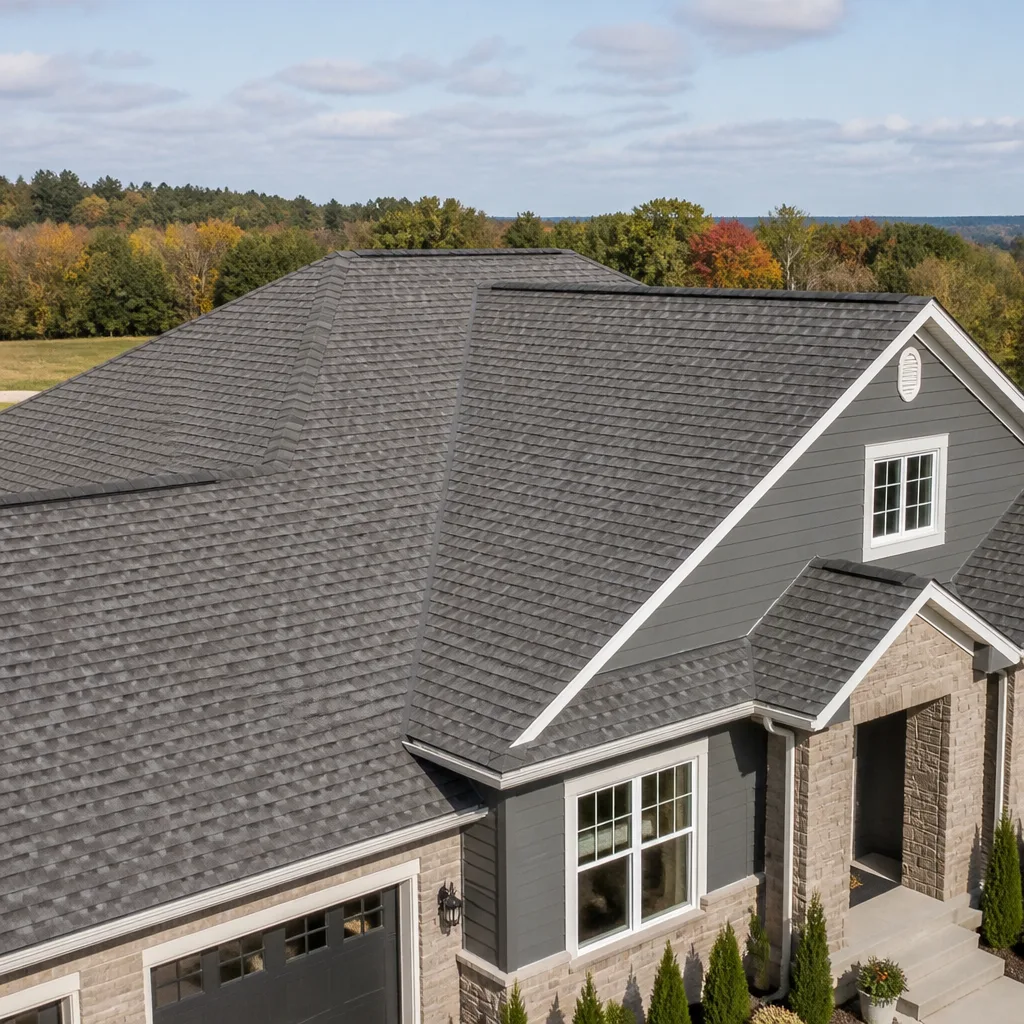
Roofing
A full reroof on a typical Moreno Valley home runs 3 to 7 days of on-site work, but permit approval and material delivery determine the start date. Plan on 3 to 6 weeks from contract to completion. Tear-offs on older homes sometimes uncover decking damage, which adds scope, so we always hold a contingency line for that possibility.
Roofing Systems That Hold Up in Moreno Valley
The roof is the most weather-exposed component of any Moreno Valley home, and our combination of UV intensity, summer heat, and FEMA high-wind designation means product selection is not cosmetic. Our Construction Emergency Preparedness Guide for Moreno Valley Homes covers how to protect this critical system. In our experience, the two most common roofing failures here are granule loss on cheap asphalt shingles and wind-lift on installations where the nail pattern or starter course was done incorrectly.
We specify shingles from manufacturers with documented high-wind and Class 4 impact ratings. GAF, CertainTeed, and Owens Corning all produce lines that meet those thresholds, and we offer options from IKO, Atlas, and Tamko as well, because different products suit different roof profiles and budgets. The common thread is that none of them are builder-grade. Moreno Valley is not the place to save $600 on a shingle downgrade.
Beyond the material, the installation details matter just as much. Correct nail placement, starter strip orientation, and ventilation design all affect whether a roof survives its first serious wind event. Attic ventilation is a quiet but critical factor: proper intake and exhaust flow reduces heat buildup that cooks shingles from below and raises cooling bills. A roof replacement is also the right moment to inspect the underlayment, flashing, and deck condition, because leaks in Moreno Valley’s seasonally heavy winter rains usually trace back to flashing failures, not shingle failures.
Windows, Siding, and Exterior Assemblies for Inland Heat
Moreno Valley’s summer heat is a design load, not an inconvenience. The right exterior assembly keeps the inside cool, the framing dry, and the finish intact through decades of UV exposure. The wrong one fails visibly and prematurely.
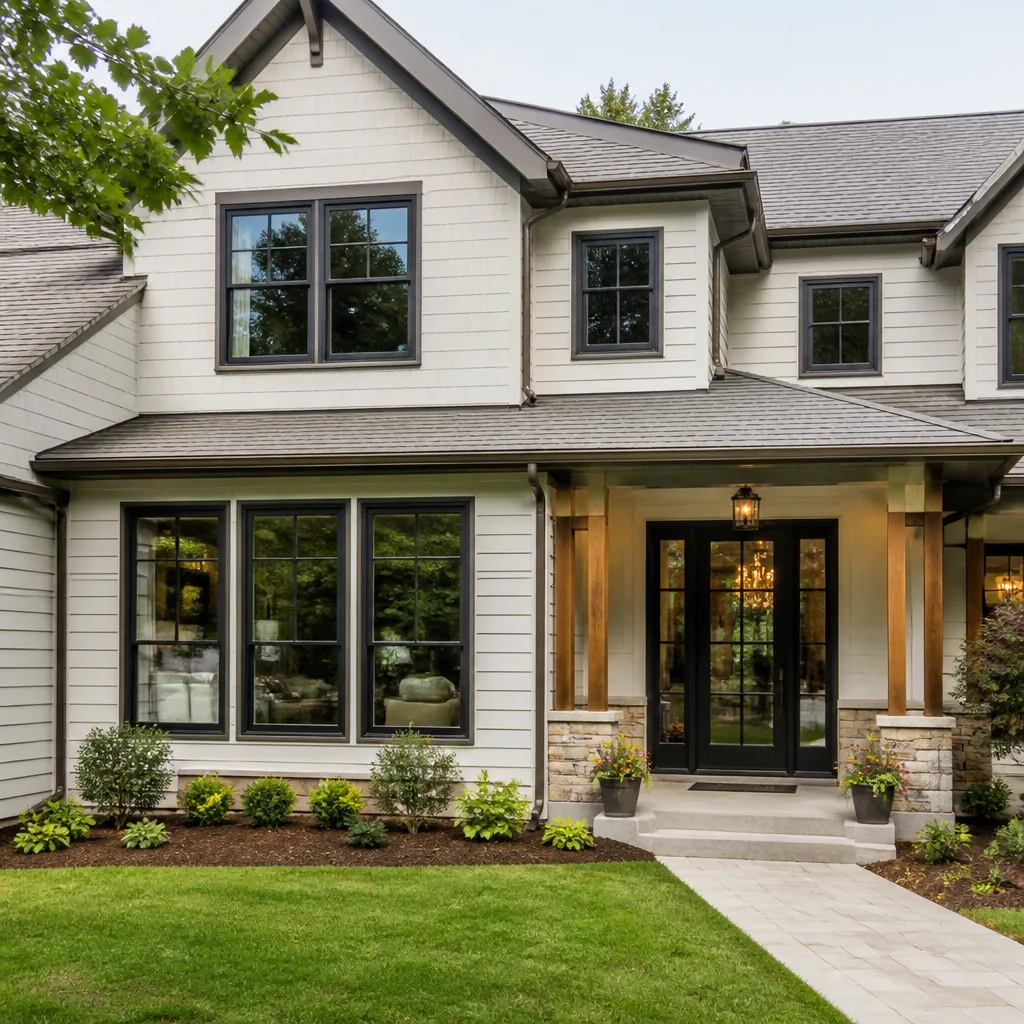
For windows, we prioritize low solar heat gain coefficient glazing over everything else. A dual-pane window with a basic low-E coating will cut cooling load noticeably compared to original single-pane aluminum frames, which are still common in older Moreno Valley tracts. Brands like PGT and CGI offer impact-rated options that also serve as the first line of defense in wind events, which matters in our FEMA-designated zone. ECO Window Systems gives us a more budget-conscious line where impact rating isn’t required.
For siding, fiber cement from James Hardie is our default recommendation. It doesn’t warp, it holds paint longer than wood or vinyl, and it has the fire resistance that matters in areas where Moreno Valley meets open hillside. We do work with premium vinyl lines where the budget and aesthetic call for it, but the product spec has to be selected for our UV load, not a catalog pick from a national distributor.
The full exterior assembly matters: house wrap, flashing at every penetration, and proper sealant selection. Silicone and polyurethane sealants outperform latex caulk here, especially on south and west exposures where surface temperatures regularly exceed 150 degrees in summer. It’s the kind of detail that never shows up in a photo but determines whether an exterior looks good for five years or twenty.
ADUs and Prefab Construction in Moreno Valley
Accessory dwelling units have become one of the most common projects we manage in Moreno Valley, driven by California’s ADU-friendly laws and the region’s need for flexible housing. The options now go far beyond stick-built construction, and Moreno Valley homeowners have real choices between conventional builds and modern off-site systems.
Conventional ADUs give you complete design freedom but require the full sequence: soils report, foundation, framing, rough-in, drywall, finish. Off-site systems change that math. Mighty Buildings manufactures panelized wall and roof systems that go up in days rather than weeks, and their factory-applied finishes reduce on-site trade coordination. Boxabl produces a compact foldable unit that works well as a minimal studio ADU where the lot can accept a crane delivery. Plant Prefab offers higher-end custom modules for homeowners who want an ADU that matches the architecture of the main house. Tuff Shed, while best known for storage, has a line of permitted accessory structures in some California jurisdictions, though not all models qualify as habitable ADUs under Moreno Valley code.
The important caveat: prefab does not eliminate the permitting or site work phase. You still need a soils report, a foundation engineered for our expansive clay, utility connections approved by the city, and inspections at every step. The savings come on the construction side. A prefab ADU from a manufacturer like Plant Prefab or Mighty Buildings can cut on-site build time by 50 percent or more, but only if the site preparation is handled correctly, which is where having one accountable contractor matters.
Common Mistakes to Avoid
- Applying coastal California material specs to Moreno Valley. A window or siding choice that works in Orange County will underperform in our heat and wind. Get local climate data, not a national catalog recommendation.
- Skipping the soils report to save money. On expansive clay, a foundation designed without site-specific soils data is a structural gamble. The report costs thousands; the repair can cost six figures.
- Assuming your parcel is in city jurisdiction without checking. Moreno Valley mailing addresses sometimes fall in unincorporated Riverside County. Confirm before you design anything.
- Hiring a contractor who doesn’t pull permits. Unpermitted work in Moreno Valley complicates resale, insurance claims, and future refinancing. The short-term savings never survive contact with a title company.
- Buying fixtures and cabinets before the design is locked. We see homeowners order a kitchen’s worth of cabinetry or a bathroom’s worth of fixtures, then discover the layout changed during plan check. Now they own material that doesn’t fit.
- Underestimating lead times for structural trades. Concrete and framing crews in the Inland Empire are booked weeks out. A project that assumes next-week availability stalls before it starts.
- Treating drainage as an afterthought. On Hydrologic Group D soils, water management is structural protection. Downspout discharge and grade slopes are not optional details.
When to Call a Professional
Any project that touches the foundation, structure, or weatherproofing envelope of your Moreno Valley home deserves a licensed general contractor, not a handyman with a truck. If your scope involves a room addition, an ADU, a full reroof, or any work that requires structural engineering, the permitting process alone demands someone who knows the city’s plan check expectations. You should also call a professional when you’re seeing signs of soil movement: new cracks wider than a hairline, doors that stick seasonally, or separations where walls meet ceilings. Those are not cosmetic issues in this soil. Home renovation in Moreno Valley is our core scope, and we offer free estimates. Call Moreno Valley Builders at (877) 752-3154 if you want a direct read on your project before you spend money on plans.
Frequently Asked Questions
New construction and full additions in Moreno Valley typically run from $250 to $450 per square foot depending on finish level, foundation requirements, and whether the scope includes site work on challenging soil. High-end remodels that restructure existing space usually fall between $150 and $350 per square foot. These ranges are calibrated to Inland Empire labor and material costs, which run lower than Los Angeles but higher than national averages, and the expansive clay soil here adds structural cost that coastal projects don’t carry. Call (877) 752-3154 for a line-item estimate specific to your parcel.
Plan check in the City of Moreno Valley currently runs approximately 3 to 6 weeks for simple interior remodels and 6 to 12 weeks for additions, ADUs, and new construction, depending on current workload and the completeness of the plans submitted. Unincorporated Riverside County parcels with Moreno Valley addresses tend to run a few weeks longer. A complete, professionally prepared plan set is the single biggest factor in avoiding resubmittal delays.
Yes, any structural addition in Moreno Valley requires a geotechnical soils report as part of the permitting package, because the city’s expansive clay soils demand site-specific foundation engineering. The report determines whether your addition can tie into the existing slab or needs a post-tension foundation or engineered piers. Skipping it is not an option if you want the work permitted, and it’s not a smart option even if you don’t.
Asphalt shingles with high wind ratings and Class 4 impact ratings, installed with correct ventilation, are the standard for Moreno Valley’s FEMA-designated high wind zone. We specify products from GAF, CertainTeed, and Owens Corning most often because their high-wind and impact lines are proven in climates like ours. Tile and standing seam metal also perform well but carry higher material costs.
Most single-family residential lots in Moreno Valley qualify for at least one accessory dwelling unit under California ADU law, with the specific size and setback allowances determined by your lot’s zoning and existing structures. Prefab options from manufacturers like Boxabl, Plant Prefab, and Mighty Buildings are viable here, but they still require a local foundation engineered for our soil, utility connections, and city inspections.
Yes, significant permitted improvements in Moreno Valley trigger a reassessment of the added value portion only, not your entire property tax base, under California Proposition 13 rules. Unpermitted work doesn’t trigger reassessment, but it creates resale, insurance, and refinancing problems that usually cost more than the tax savings. The trade-off is rarely worth it on any project over a few thousand dollars.
Slab cracks in Moreno Valley most often trace back to expansive clay soil movement, where the soil swells with winter moisture and shrinks in summer dry conditions. Homes built before modern post-tension slab standards, or constructed on poorly compacted fill, are most vulnerable. If the cracks are new, widening, or paired with sticking doors, have a foundation specialist evaluate the movement before you cover it with flooring.
The Bottom Line
Construction in Moreno Valley has real local physics underneath it. Expansive clay soils demand better foundations and drainage than most of Southern California. FEMA wind zone designations demand better roofs and stronger window assemblies. Summer heat loads demand glazing and siding choices that would be overkill in coastal cities. And the region’s rapid growth means good crews and quality materials require scheduling discipline. None of this makes projects impossible; it makes local knowledge the difference between a smooth build and a sequence of expensive surprises. We built this guide so Moreno Valley homeowners can plan from the actual conditions of this city, not a generic template. When you’re ready to move from research to numbers, Moreno Valley Builders is here to help you scope, price, and build it right.
Written by the team at Moreno Valley Builders, serving Moreno Valley since 2017. Explore more guides & resources.
See the difference
 Before
 After
 Before
 After
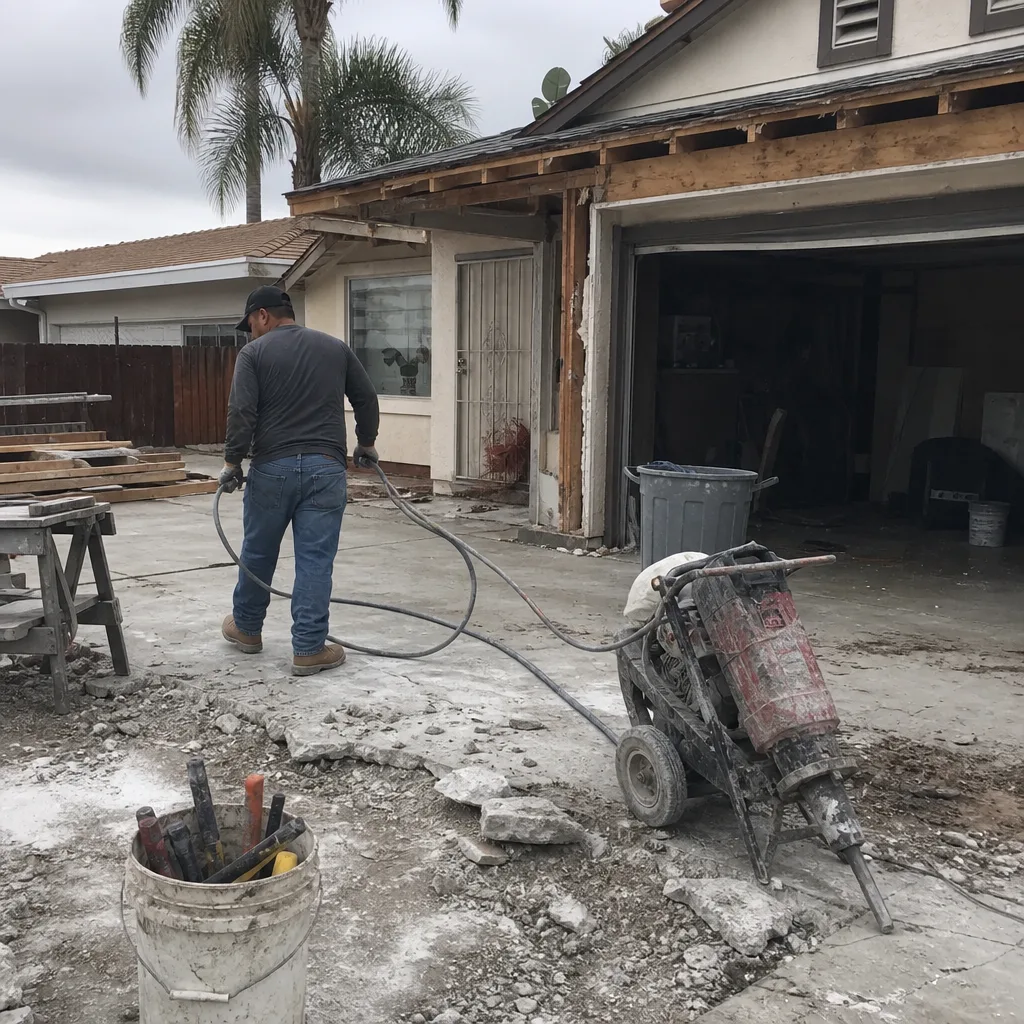 Before
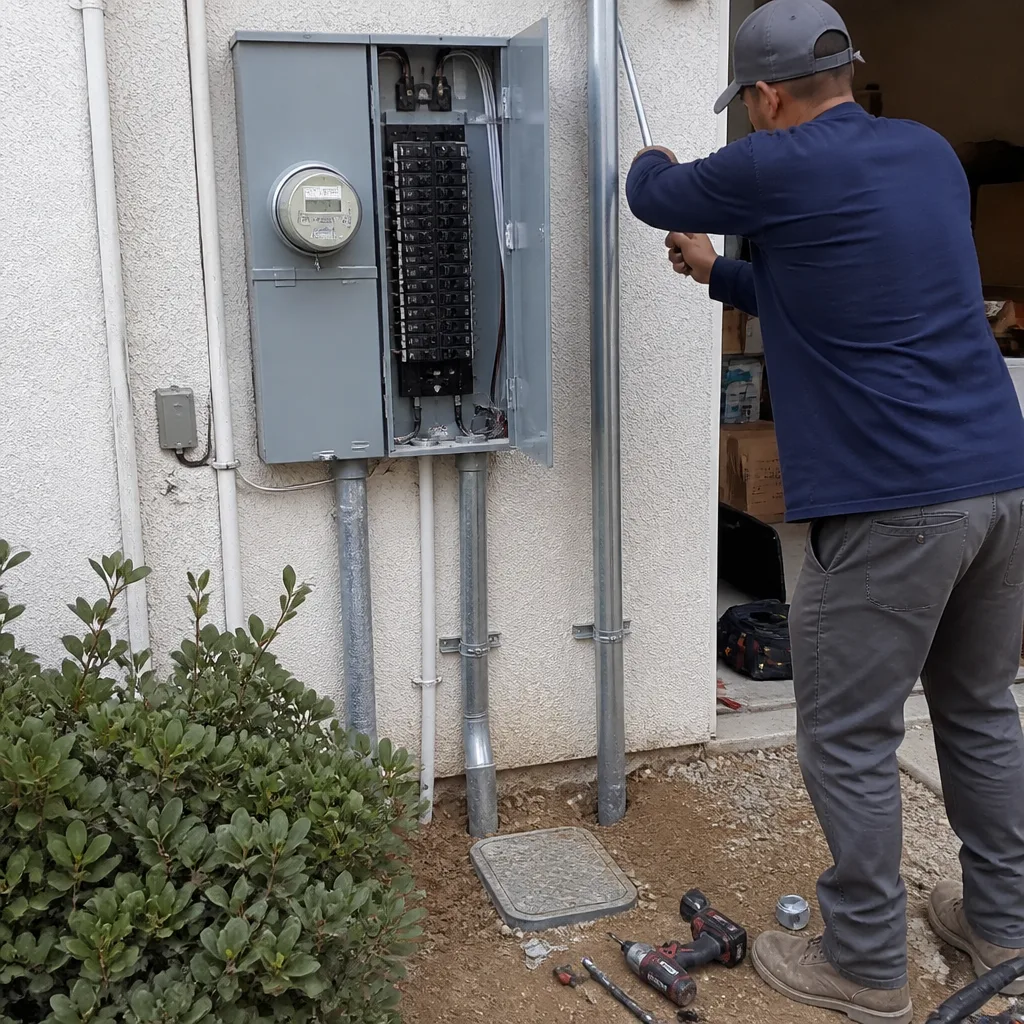 After